






Angela Onwuzoo
No fewer than 110 lives have been saved through the Lagos State Health Management Agency Assistance-In-Distress programme, known as LASHMA-AID, in six months since the intervention began.
The Permanent Secretary of LASHMA, Dr Emmanuella Zamba, disclosed that LASHMA-AID had attended to 132 emergency cases since its commencement in March 2026, saving 110 lives, while 22 patients died despite interventions.
She attributed the deaths to the severity of injuries sustained by the patients.
Zamba called for stronger coordination among hospitals, ambulance operators and other stakeholders to ensure that emergency patients receive timely treatment without delays.
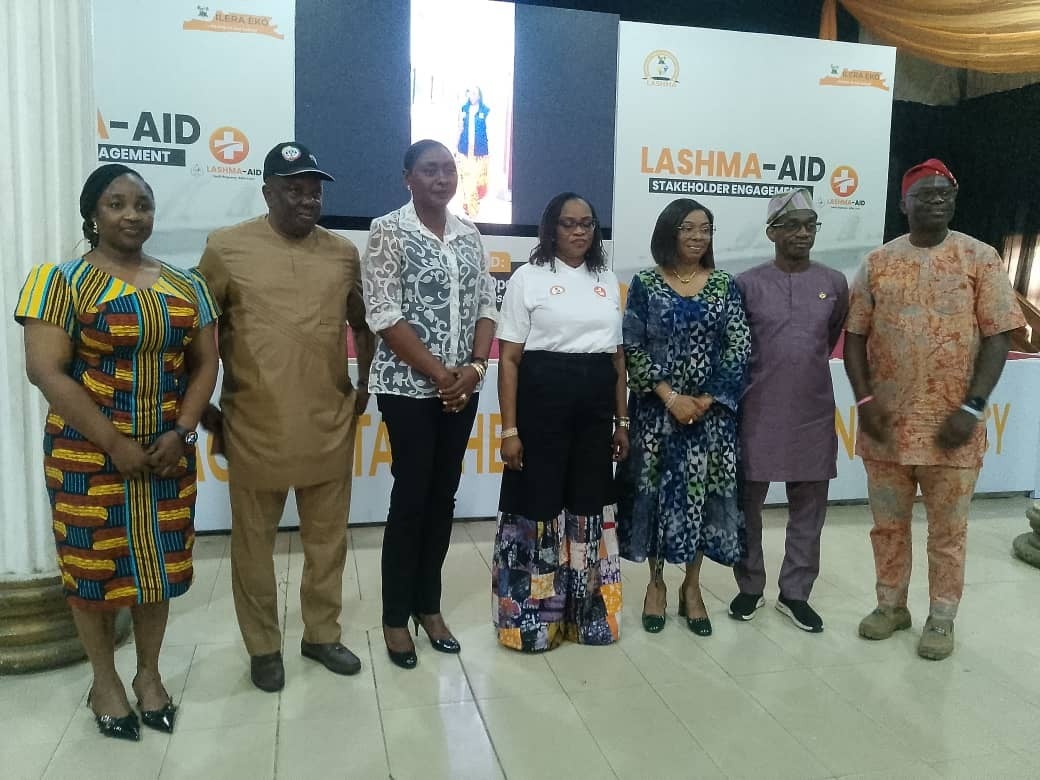
Speaking at a multi-stakeholder engagement on emergency care coordination held at the Lagos Chamber of Commerce and Industry, Ikeja, on Monday under the theme, “Strengthening Emergency Care Coordination and Referral Across Lagos State”, the PS said timely response was essential to improving lives during emergencies.
“Since the commencement of LASHMA-AID in March 2026, a total of 132 lives have been attended to under the programme. Out of this number, 110 lives were saved, while 22 mortalities were recorded due to the severity of the injuries sustained,” Zamba said.
According to her, vulnerable residents accounted for the majority of beneficiaries, with 106 indigent residents receiving assistance. Twenty-three beneficiaries were ILERA EKO enrollees, while three were enrolled under the Eko Social Health Alliance.
Zamba said LASHMA also paid health insurance premiums for vulnerable beneficiaries and their immediate family members.
She said the high number of indigent beneficiaries underscored the importance of ensuring that financial constraints did not prevent residents from accessing emergency care.
“What would have been the fate of these vulnerable residents who could not afford to pay for health insurance, let alone the huge medical bills that are incurred during emergencies?” she asked.
Zamba explained that LASHMA-AID was established after an executive order by Lagos State Governor Babajide Sanwo-Olu made social health insurance mandatory for Lagos residents.
She said the policy requires healthcare facilities to stabilise patients facing life-threatening emergencies without demanding proof of enrolment or evidence of health insurance coverage.
Zamba noted that the initiative was introduced amid concerns over preventable deaths associated with delays in accessing emergency medical care.
“Through LASHMA-AID, we want Lagos residents to know that the Government is listening and that their concerns about access to emergency healthcare are being heard,” she said.
The PS pointed out that Ikeja, Badagry, Ogba and Lagos Island recorded the highest number of emergency pickups under the programme.
Zamba said ambulance operations accounted for 76 emergency transports carried out by the Lagos State Ambulance Service and four private ambulance operators.
She noted that other emergencies were handled through LASHMA-AID facility focal persons using the programme’s toll-free emergency line, 080-000-LASHMA-AID, as well as through the intervention of Good Samaritans.
She commended LASAMBUS, private ambulance operators, public and private hospitals, social welfare officers and Good Samaritans for their roles in providing emergency care.
However, Zamba said the rising number of cases meant stakeholders needed to prepare for increased demand as public awareness of LASHMA-AID grew.
She said the meeting was convened to identify operational gaps and develop collective solutions to strengthen emergency response and reduce avoidable deaths.
“The survival of Lagos residents during emergencies is in our hands,” she said.
Presenting the first six months of the programme, LASHMA’s Emergency and Care Management Manager, Dr Favour Oluwaniyi, said road traffic accidents accounted for 59 of the 132 emergency cases handled.
She said the agency also recorded 36 medical emergencies, 19 surgical emergencies, 11 obstetric emergencies and seven neonatal and paediatric emergencies.
Oluwaniyi identified the absence of a clear emergency referral pathway across the state as one of the major challenges confronting the programme.
“We need to be able to say that once this happens within your jurisdiction, wherever you are, there is a clear pathway for how that person gets to the hospital,” she said.
She said hospitals needed assurance that the cost of emergency treatment would be recovered when LASHMA-AID was responsible for payment.
“As long as there is a definitive pathway and hospitals are confident that their money will come back to them, the person can be treated, and the life can be saved,” she said.
Oluwaniyi also identified the refusal of some healthcare facilities to accept emergency patients as another challenge, noting that such delays could prevent patients from receiving appropriate care.
She said access to emergency blood remained a major concern, particularly for trauma and maternal emergencies.
The LASHMA official added that some vulnerable patients also needed basic welfare supplies during prolonged hospital stays.
She said items such as adult diapers, toiletries and wipes were not covered by the medical component of LASHMA-AID and called for partnerships with humanitarian organisations and other stakeholders to support patients without relatives to provide such necessities.
Oluwaniyi said LASHMA planned to establish clear communication channels for quickly escalating emergency cases to facilities capable of providing definitive care.
She also called for liaison officers in healthcare institutions to coordinate emergency referrals.
Also speaking, the Director of the Lagos State Ambulance Service, LASAMBUS, Dr Beatrice Makinde, said the ambulance service had no major difficulty responding to emergency calls, picking up patients, stabilising them and transporting them to hospitals.
She, however, said challenges sometimes arose when patients arrived at receiving facilities.
“It’s when we get there that we sometimes experience resistance,” Makinde said.
She said LASHMA was helping to address the problem and that a protocol was being developed to guide hospitals on accepting referred emergency patients.
Makinde stressed the need for ambulance teams to communicate with receiving hospitals before transporting patients so that the facilities could prepare for their arrival.
“What we don’t want to happen is to lose any patient,” she said.
She also called for greater involvement of general and tertiary hospitals in the emergency referral process, noting that their cooperation was critical to the effectiveness of the system.
In her goodwill message, the Permanent Secretary, Lagos State Ministry of Health, Dr Dayo Lajide, said the ministry was pleased with the progress recorded under LASHMA-AID.
“We are indeed proud of what LASHMA-AID is doing presently in terms of improving our emergency response, working very closely with LASAMBUS and the various agencies involved,” Lajide said.
She said the Ministry of Health would continue to support initiatives aimed at improving emergency response and ensuring that residents had access to timely healthcare when needed.
Copyright PUNCH
All rights reserved. This material, and other digital content on this website, may not be reproduced, published, broadcast, rewritten or redistributed in whole or in part without prior express written permission from PUNCH.
Contact: health_wise@punchng.


