




By Chika Otuchikere
A Professor of Polymer Chemistry at the Federal University of Technology, Minna, Stephen Ochigbo, has called for the adoption of biodegradable polymer blends as a sustainable solution to Nigeria’s growing plastic waste crisis, warning of its worsening impact on public health and the environment.
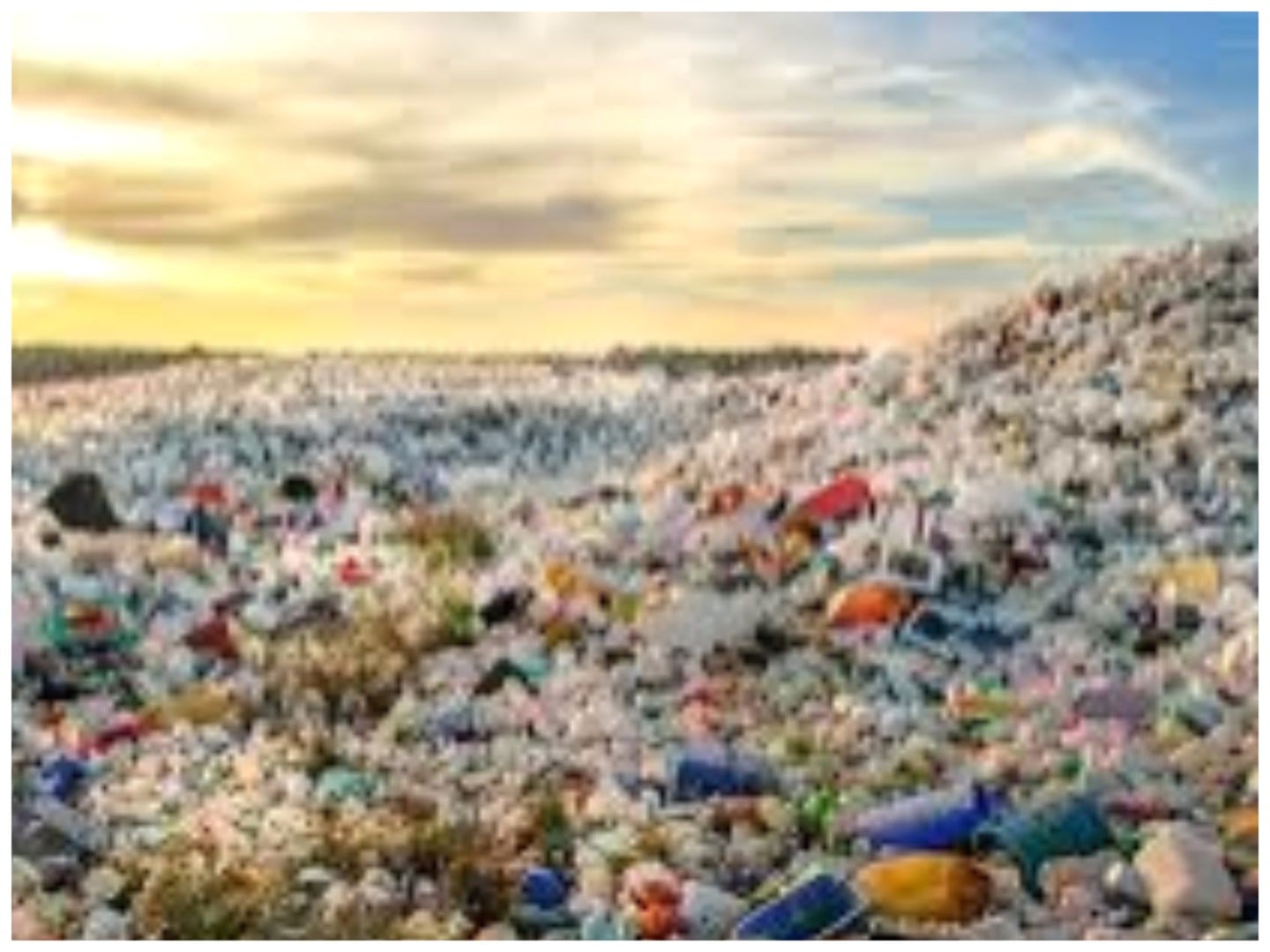
Delivering the institution’s 120th inaugural lecture titled “Waste Plastics Environmental Pollution,” the don said Nigeria generates over 2.5 million tonnes of plastic waste annually, with more than 70 per cent ending up in landfills and water bodies, posing serious environmental and health risks.
He noted that globally, about 381 million tonnes of plastic waste are produced yearly, with projections indicating that the figure could double by 2034 if urgent interventions are not implemented.
Ochigbo highlighted the scale of the problem in urban centres, stating that Lagos alone records between 50 and 60 million discarded water sachets daily, contributing significantly to environmental pollution and drainage blockage.
The professor described plastic waste as a major driver of environmental degradation, explaining that large volumes of plastic end up in oceans, threatening marine life and contaminating food chains.
He added that poorly managed landfills serve as breeding grounds for disease vectors, increasing the risk of illnesses such as malaria, cholera, and diarrhoea.
While acknowledging ongoing efforts to address the crisis through the circular economy model, which promotes reducing, reusing, and recycling materials, Ochigbo said the approach remains insufficient.
He explained that although recycling is widely practised and helps extend the lifecycle of plastic products, it should be seen as a disposal technique rather than a permanent solution.
“A circular economy involves sharing, leasing, reusing, repairing, refurbishing, and recycling existing materials for as long as possible, thereby reducing waste to the barest minimum. However, it differs from the traditional linear model of take, make, consume, and dispose,” Ochigbo said.
Despite these measures, the don stressed that only a small percentage of plastics are effectively recycled globally, adding that bans on single-use plastics, though helpful, may increase costs and fail without viable alternatives.
He, therefore, proposed biodegradable polymer blends and composites as a more effective long-term solution, describing them as materials that can break down naturally through the action of microorganisms into harmless substances.
Ochigbo referenced biblical examples, such as Noah’s ark made from gopher wood and pitched with pitch, and Henry Ford’s 1941 soybean-based plastic car, alongside modern uses in automobiles, packaging, and construction.
Drawing from his research, the professor detailed innovations like waterborne paint binders from natural rubber latex and polyvinyl acetate, patented in 2014, and thermoplastic starch films from non-food sources such as the Amura plant and cereal stalks.
According to him, such materials could serve as a “preventive solution” to plastic pollution, especially in the production of single-use plastics.
Drawing from his research, Ochigbo disclosed that he and his team had developed several innovations, including eco-friendly paint binders derived from natural rubber latex and thermoplastic starch films produced from non-food sources.
He also revealed that the team recently developed water-resistant particle boards using cassava starch as an alternative to petroleum-based resins.
The professor urged the Federal Government, state authorities, and private stakeholders to invest in research on biodegradable materials, strengthen waste management policies, and promote sustainable alternatives to conventional plastics.
He urged funding for biodegradable single-use plastics research, sorting legislation, paid bags, waterway disposal bans, and expert input from the Polymer Institute of Nigeria.
The professor stated, “Don’t blame plastics; rather, place the blame on profiteers of plastics.”
He further called for stricter regulations on waste disposal, improved sorting systems, and greater involvement of industry experts in policymaking to address the plastic pollution crisis effectively.
Ochigbo emphasised that while plastics remain essential in modern life, particularly in advancing technologies, their usage must be better managed to prevent long-term environmental and health consequences.