




The World Health Organisation on Monday urged people across the globe to renew their commitment to collaboration and support for science as twin drivers of better health outcomes.
The UN agency said human health has been transformed over the past century largely through scientific progress and international cooperation.
This was contained in a statement released on its website to commemorate World Health Day 2026, themed “Together for health. Stand with science.”
The campaign marks the anniversary of the WHO’s founding on April 7, 1948, and launches a year-long public health awareness drive.
According to the WHO, global maternal mortality has fallen by more than 40 per cent since 2000, while deaths among children under five have dropped by over 50 per cent, largely due to scientific progress and the power of collaboration.
The organisation added that advances in technology, scientific knowledge and skills, as well as collaboration across disciplines, sectors and countries, have helped turn once life-threatening conditions such as hypertension, cancer diagnoses and HIV infection into manageable health challenges, thereby extending and improving lives worldwide.
“Yet, health threats continue to grow, fuelled by climate impacts, environmental degradation, geopolitical tensions and shifting demographics. These challenges include persistent diseases and strained health systems, as well as emerging diseases with epidemic or pandemic potential,” the statement read in part.
Across the globe, the WHO said thousands of scientists are accelerating research and developing policies, tools and innovations needed to protect communities today and safeguard the health of future generations.
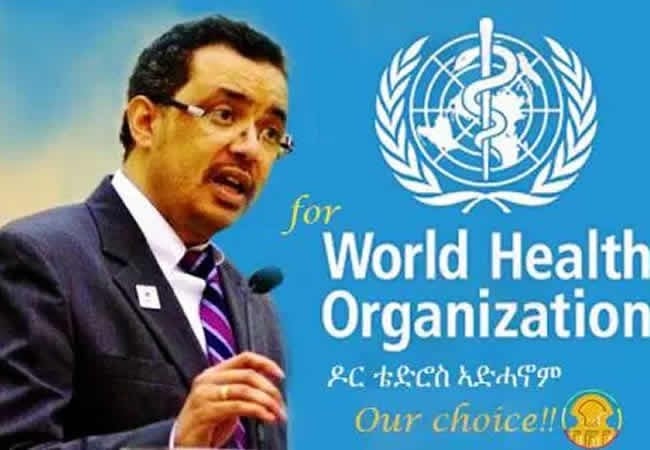
Reacting to this year’s theme, the WHO Director-General, Dr Tedros Ghebreyesus, stressed the importance of science in improving health outcomes.
“Science is one of humanity’s most powerful tools for protecting and improving health. People in every country live longer and healthier lives on average today than their ancestors did, thanks to the power of science.
“Vaccines, penicillin, germ theory, MRI machines and the mapping of the human genome are just some of the achievements that science has delivered that have saved lives and transformed health for billions of people,” he said.