



Idowu Abdullahi
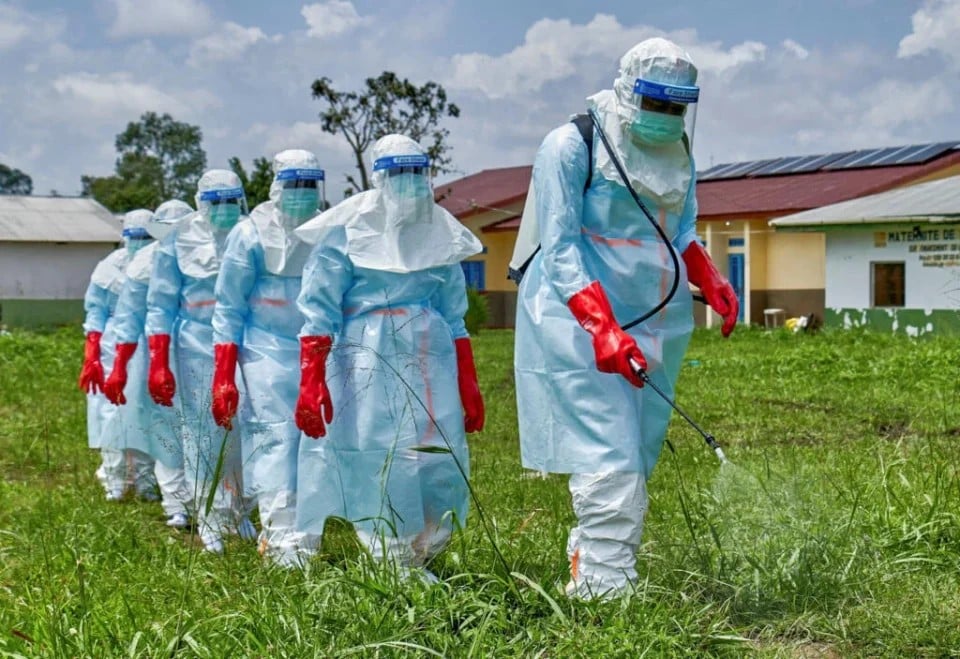
Physicians have urged Nigerians against treating suspected Ebola symptoms at home, stressing that anyone who develops signs of the disease should seek prompt medical attention to prevent complications and reduce the risk of transmission.
They stressed that self-medication and delays in reporting suspected cases could undermine efforts to identify infections early and contain a possible outbreak.
The physicians noted that Ebola symptoms, including fever, headache, muscle pain, fatigue, vomiting and diarrhoea, could resemble those of malaria and other common illnesses, making self-diagnosis particularly dangerous.
Speaking exclusively with PUNCH Healthwise, a Professor of Public Health at the University of Ilorin and Consultant Public Health Physician at the University of Ilorin Teaching Hospital, Prof. Tanimola Akande, advised Nigerians not to assume that such symptoms were malaria.
He warned against self-treatment without proper medical assessment, especially if the person with suspected symptoms had travelled to an affected area or come into contact with a suspected or confirmed case.
Akande, who is a former president of the Association of Public Health Physicians of Nigeria, urged Nigerians to report suspected infections to the appropriate health authorities and follow official guidance on testing and care.
“Ebola is a very fatal disease and can spread easily. The symptoms are like many common diseases, such as malaria. It is dangerous to treat symptoms.
“People having symptoms of Ebola need to quickly contact relevant health authorities through phone numbers provided so that they can be monitored and tested.
“Where necessary, they may have to be isolated so that others are not infected if it turns out to be symptoms of Ebola,” he said.
The public health physician also advised Nigerians to avoid direct contact with the blood and other bodily fluids of suspected cases, maintain proper hand hygiene, and rely on qualified health professionals rather than unverified remedies.
Also speaking, a Professor of Public Health and Epidemiologist at the Lagos University Teaching Hospital, Idi-Araba, Adebayo Onajole, said Ebola symptoms shouldn’t be handled at home.
“The early symptoms of Ebola are almost similar to all other symptoms of viral infection and the common flu. But the most important thing that one must consider first is the history of travel to an area where there have been cases of Ebola.
“Ebola is not a disease that can be diagnosed physically in the community. It has to be diagnosed in a facility by conducting appropriate tests.
“You can only have a high index of suspicion that if, after treating for the common cold symptoms like fever, the person is not recovering, they should be transported to a centre where they can do appropriate tests,” he said in an earlier interview.
PUNCH Healthwise reports that Nigeria has confirmed one imported case of Ebola Bundibugyo virus disease in the Federal Capital Territory, becoming the fifth country to detect the virus since the outbreak was declared in the Democratic Republic of the Congo on May 15, 2026.
The infection was confirmed by laboratory tests on October 20.
According to the Federal Ministry of Health and Social Welfare, the patient is a woman with a recent travel history to Uganda. Her symptoms began on October 7, four days after she arrived in Nigeria, and she sought treatment at a private health facility in Abuja on October 11. She is currently in isolation and receiving medical care.
The ministry said investigations were ongoing to establish the likely source of infection and reconstruct the patient’s full travel and exposure history. So far, 44 contacts have been identified and are being monitored, while infection prevention and control measures have been strengthened at the private health facility where she sought care.
The World Health Organisation describes Bundibugyo virus disease as a severe and often fatal form of Ebola disease caused by the Bundibugyo virus.
Copyright PUNCH
All rights reserved. This material, and other digital content on this website, may not be reproduced, published, broadcast, rewritten or redistributed in whole or in part without prior express written permission from PUNCH.
Contact: health_wise@punchng.