





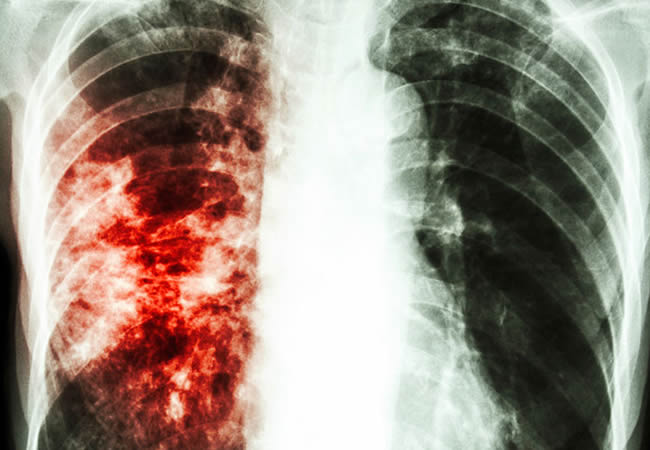
Medical experts have warned that Nigeria risks reversing gains made in the fight against Human Immunodeficiency Virus if tuberculosis control is not prioritised alongside HIV funding.
They stressed that tuberculosis remains the leading opportunistic infection and cause of death among people living with HIV, noting that it would be dangerous to fund one disease while neglecting the other.
In exclusive interviews with PUNCH Healthwise, the specialists explained that tuberculosis and HIV are closely linked, stating that HIV weakens the immune system, allowing dormant TB infection to become active, while tuberculosis infection also increases vulnerability to HIV.
They described both diseases as “deadly twins” that must be addressed together to reduce mortality, noting that since 80 per cent of HIV patients in developing countries die from TB, funding the latter without the former undermines public health outcomes.
The experts further noted that Nigeria has one of the highest numbers of missing tuberculosis cases globally, attributing this to low awareness, stigma and poor access to diagnostic facilities, particularly in rural areas.
They warned that one untreated TB patient can infect between 10 and 15 other people in a year, stressing that the disease remains a major public health threat due to its airborne nature and ease of transmission in crowded environments.
The specialists therefore called on the Federal Government to increase domestic funding for TB programmes, integrate TB and HIV services, and engage the private sector to improve early detection and treatment.
According to the World Health Organisation Regional Director for Africa, Dr Mohamed Janabi, one life is lost to tuberculosis every 83 seconds on the continent.
He disclosed that in 2024, TB claimed 378,000 lives in Africa, while 2.7 million people fell ill, accounting for about a quarter of the global burden.
Data from the World Bank showed that Nigeria recorded a TB incidence rate of 219 cases per 100,000 people in 2023, while the World Health Organisation estimates indicate that about 15 per cent of the three million undiagnosed TB cases globally are in Nigeria.
The Minister of Health and Social Welfare, Iziaq Salako, also revealed that Nigeria recorded 440,000 TB cases in 2025, up from 138,591 in 2020, warning that a significant number of cases remain undetected.
Speaking at a ministerial press briefing to mark the 2026 World TB Day in Abuja, the minister decried the high number of missed cases, describing undetected infections as a major challenge to disease control in the country.
World TB Day is commemorated on March 24 every year to raise awareness about the devastating health, social and economic consequences of tuberculosis, and to intensify efforts to eliminate the disease. The theme for 2026 is “Yes! We can end TB: Led by countries, powered by people.”
Findings by PUNCH Healthwise show that although HIV, tuberculosis, and malaria programmes in Nigeria are largely donor-funded, the 2025 cuts to aid programmes by the United States Government have led to increased domestic financing for health interventions.
However, while domestic funding for HIV appears to be rising, tuberculosis financing remains less visible, often bundled with malaria and HIV programmes and not clearly itemised.
For instance, following the 2025 global funding disruptions, the Federal Government allocated an additional $200m to the health sector in the 2025 budget to cushion the impact of foreign aid cuts, which affected HIV and other disease programmes.
In the same year, it allocated an additional N4.8bn for the procurement of HIV treatment packs. In contrast, there was no clearly published standalone federal allocation for TB within the same period.
Nigeria also benefited from a $933m Global Fund grant for 2024 to 2026 covering HIV, TB, and malaria collectively, but domestic funding for TB remains difficult to track due to poor disaggregation.
For 2026, the Federal Government earmarked about N73.4bn for the procurement of TB drugs and other medical commodities to avert potential stock-outs nationwide.
In the same year, the government committed $346m in co-financing for HIV, tuberculosis, and malaria programmes, though the proportion allocated specifically to TB was not disclosed.
Commenting on the development, a researcher on HIV and TB management at Ebonyi State University, Prof Lawrence Ogbonnaya, said it was puzzling that tuberculosis was not receiving adequate government funding despite its strong link with HIV.
He stated, “In developing countries, about 80 per cent of HIV patients die from TB. It is the most important opportunistic infection that kills people living with HIV. So it does not make epidemiological sense to fund HIV without funding TB. The two diseases are closely linked and work in both directions.”
Ogbonnaya explained that many Nigerians carry latent TB infection, which can remain controlled by the immune system but becomes active when weakened by HIV.
He added that HIV also increases the risk of new TB infection and accelerates its progression, making it critical to address both diseases simultaneously.
The professor noted that Nigeria’s continued reliance on donor funding for TB programmes reflects a broader challenge in aligning health spending with local disease burden.
He stressed that the country risks setbacks if domestic resources are not increased to support TB control efforts.
On the issue of missed cases, Ogbonnaya said Nigeria’s diagnostic capacity remains inadequate, with limited access to modern testing tools contributing to low detection rates.
He added that poverty and poor access to healthcare facilities also prevent many Nigerians from seeking testing and treatment.
The researcher called for comprehensive strengthening of the health system, including improved laboratory capacity, better logistics and increased human resources to ensure that TB services are accessible across the country.
He also urged the government to expand health insurance coverage and increase overall health funding to reduce dependence on external donors.
Ogbonnaya urged the press to set the policy agenda by bringing TB funding into public discussion so that the government will be put on the spot.
He further urged Nigerians to vote based on policies and programmes rather than sentiments.
Also speaking, the Secretary-General of the Nigerian Thoracic Society and Consultant Physician at the Lagos State University Teaching Hospital, Dr Oluwafemi Ojo, described TB and HIV as a dangerous combination that must be tackled together.


He said, “TB is the leading cause of death for people with HIV. Ignoring TB undermines the progress made in HIV treatment. You cannot successfully treat HIV if TB is left unaddressed.”
Ojo noted that, unlike HIV, which requires specific modes of transmission, tuberculosis is airborne and can spread easily in crowded settings such as public transport, markets and poorly ventilated homes.
He added that this makes TB a broader public health concern that requires urgent and sustained attention.
The pulmonologist stated that Nigeria’s TB response has historically depended on international donors, warning that such reliance is not sustainable in the long term.
He stressed the need for increased domestic funding to ensure continuity of services and to achieve national and global TB control targets.
On missing cases, Ojo explained that these are individuals who have tuberculosis but are not diagnosed or reported to the national programme.
He noted that Nigeria remains one of the countries with the highest number of such cases globally.
According to him, factors responsible include low awareness, stigma and limited access to diagnostic services, particularly in rural communities.
He said many Nigerians still mistake persistent cough for minor illnesses or seek care from informal providers, delaying proper diagnosis and treatment.
“The fear of being associated with HIV also discourages some people from visiting health facilities for TB testing,” he added.
Ojo noted that although TB testing and treatment are free, indirect costs such as transportation to facilities with diagnostic equipment remain a major barrier for many patients.
He warned that untreated cases have serious consequences, both for individuals and the wider community.
“One untreated TB patient can infect 10 to 15 others in a year. When cases are missed or poorly treated, the disease can become drug-resistant, which is more difficult and expensive to manage,” he said.
He added that TB often affects people in their most productive years, and untreated cases can push families deeper into poverty due to loss of income and increased healthcare costs.
To address the challenge, Ojo called for better integration of TB and HIV services, noting that both conditions should be diagnosed and treated within the same healthcare platforms.
He also advocated active case finding, where health workers go into communities to identify and test individuals with symptoms rather than waiting for them to present at health facilities.
The expert further recommended stronger collaboration with private healthcare providers and patent medicine vendors, who are often the first point of contact for many Nigerians.
He urged the government to invest in awareness campaigns to educate the public about TB symptoms and the importance of early testing.
Ojo also encouraged Nigerians to seek medical attention if they experience a persistent cough lasting two weeks or more, noting that early detection improves treatment outcomes and reduces transmission.
He emphasised that tuberculosis is curable and that treatment is available free of charge at government facilities, calling for collective efforts to end stigma associated with the disease.
Copyright PUNCH
All rights reserved. This material, and other digital content on this website, may not be reproduced, published, broadcast, rewritten, or redistributed in whole or in part without prior express written permission from PUNCH.


