




Samuel Omotere
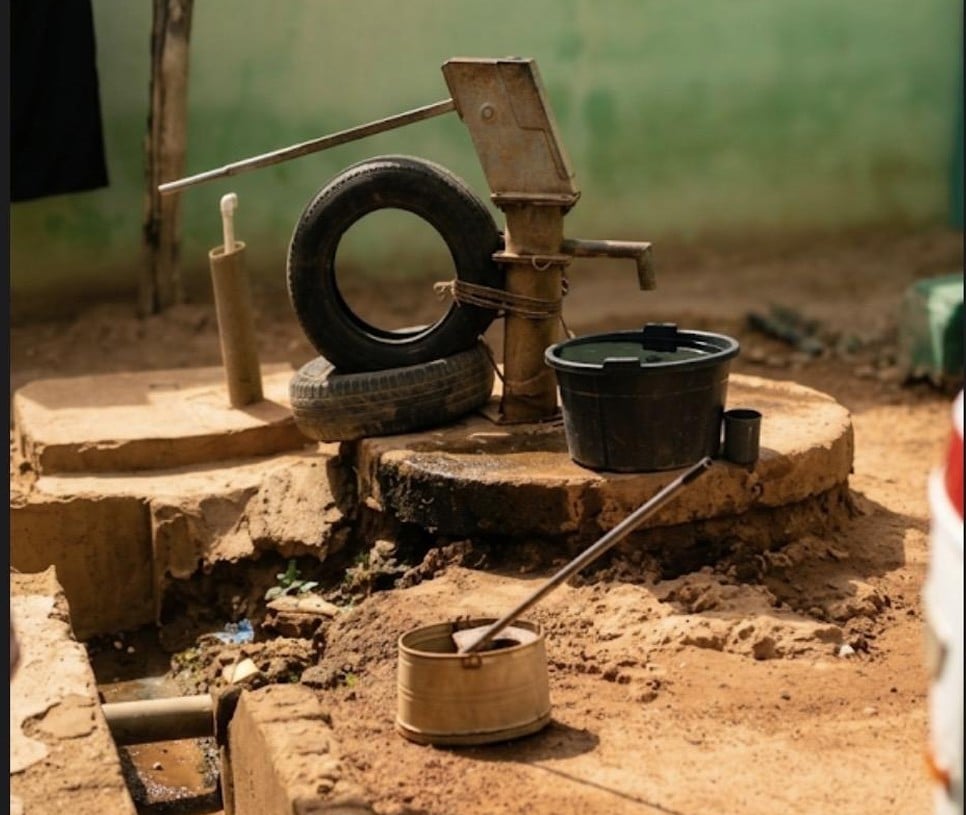
Nigerian doctor and health educator, Chinonso Egemba, popularly known as Aproko Doctor, has warned that using untreated borehole water to rinse the mouth could expose people to bacteria associated with stomach ulcers.
Aproko Doctor made the assertion in a video shared on X on Monday, urging people to check the source and safety of water they use to rinse their mouths, particularly borehole water.
“If the water you use to rinse your mouth is coming from your borehole inside your compound, this particular video is for you,” he said.
He said untreated water could contain bacteria, including Helicobacter pylori, commonly known as H. pylori, which is associated with peptic ulcers.
“There are different causes of stomach ulcers, but there’s a very common cause that is caused by a particular bacterium known as Helicobacter pylori.
“Wait a minute. But for the sake of this video, we’ll call it H. pylori.
“This H. pylori will enter inside your stomach, and the layer that is supposed to protect your stomach, it will destroy it. And then acid will follow, and bam! That damage is what now leads to a stomach ulcer,” he said.
According to the National Institute of Diabetes and Digestive and Kidney Diseases, H. pylori infection and the use of non-steroidal anti-inflammatory drugs such as ibuprofen and naproxen are among the most common causes of peptic ulcers. The institute also says H. pylori may spread through food or water contaminated with an infected person’s vomit, stool or saliva.
Aproko Doctor said people should be concerned about the source of water used for oral hygiene, particularly where the water has not been treated.
He said, “One of the places is through contaminated water and food, or places where tap water is not completely or properly treated.”
He also claimed that contamination could occur where pipes carrying borehole water were close to pipes connected to a soakaway.
“Or the pipe that carries the borehole water is the same pipe that carries the water to the soakaway. That bacteria can jump from the soakaway pipe into the borehole pipe,” he said.
He advised people who were unsure about the source and safety of their water to treat it before use.
“That’s why I always tell people, if you’re not sure where your tap water is coming from, especially in Nigeria and Africa where there’s no treatment, it’s coming from a borehole, you need to either boil it, filter it properly, or add some chemical disinfectants, so that you can remove at least a huge percentage of the bacteria even before you use it to rinse your mouth.”
The World Health Organisation says microbiologically contaminated drinking water can transmit several diseases, while faecal contamination poses a major risk to drinking-water safety. Its background document on H. pylori also notes that faecal-oral transmission is considered possible, although the primary transmission routes are believed to be vomit-oral and gastro-oral.
Aproko Doctor also identified frequent use of non-steroidal anti-inflammatory drugs, including ibuprofen and diclofenac, as other factors associated with ulcers.
“Other things too that can also cause ulcers are taking drugs like NSAIDs, ibuprofen, diclofenac frequently. If you’re abusing it, if you’re drinking alcohol, if you’re smoking, are you serious?
“Yes, all these things can cause stomach ulcers.”
Medical guidance identifies NSAIDs such as ibuprofen as common causes of peptic ulcers, while smoking can also interfere with ulcer healing.
On diagnosis, Aproko Doctor said an upper gastrointestinal endoscopy could be used to examine the stomach and identify an ulcer.
“The only way to know if you actually have a stomach ulcer or peptic ulcer is for doctors to take one long pipe with a camera at the end of it and put it inside your mouth so that you can actually see it,” he said.
However, medical guidance notes that doctors can use several methods to diagnose H. pylori infection and peptic ulcers, including breath tests, stool tests and upper gastrointestinal endoscopy, depending on the circumstances.
Aproko Doctor also warned people not to ignore black or tarry stool, which can indicate gastrointestinal bleeding.
“If you also notice that your faeces is beginning to look black and look like coal tar that they are using to tar roads, that’s a problem.”
The NIDDK lists black or tarry stool among symptoms that may indicate a complication of peptic ulcers and advises people experiencing such symptoms to seek medical attention promptly.
He urged people experiencing persistent stomach pain to seek medical attention and to pay attention to the source and treatment of the water they use.
Copyright PUNCH
All rights reserved. This material, and other digital content on this website, may not be reproduced, published, broadcast, rewritten or redistributed in whole or in part without prior express written permission from PUNCH.
Contact: [email protected]