

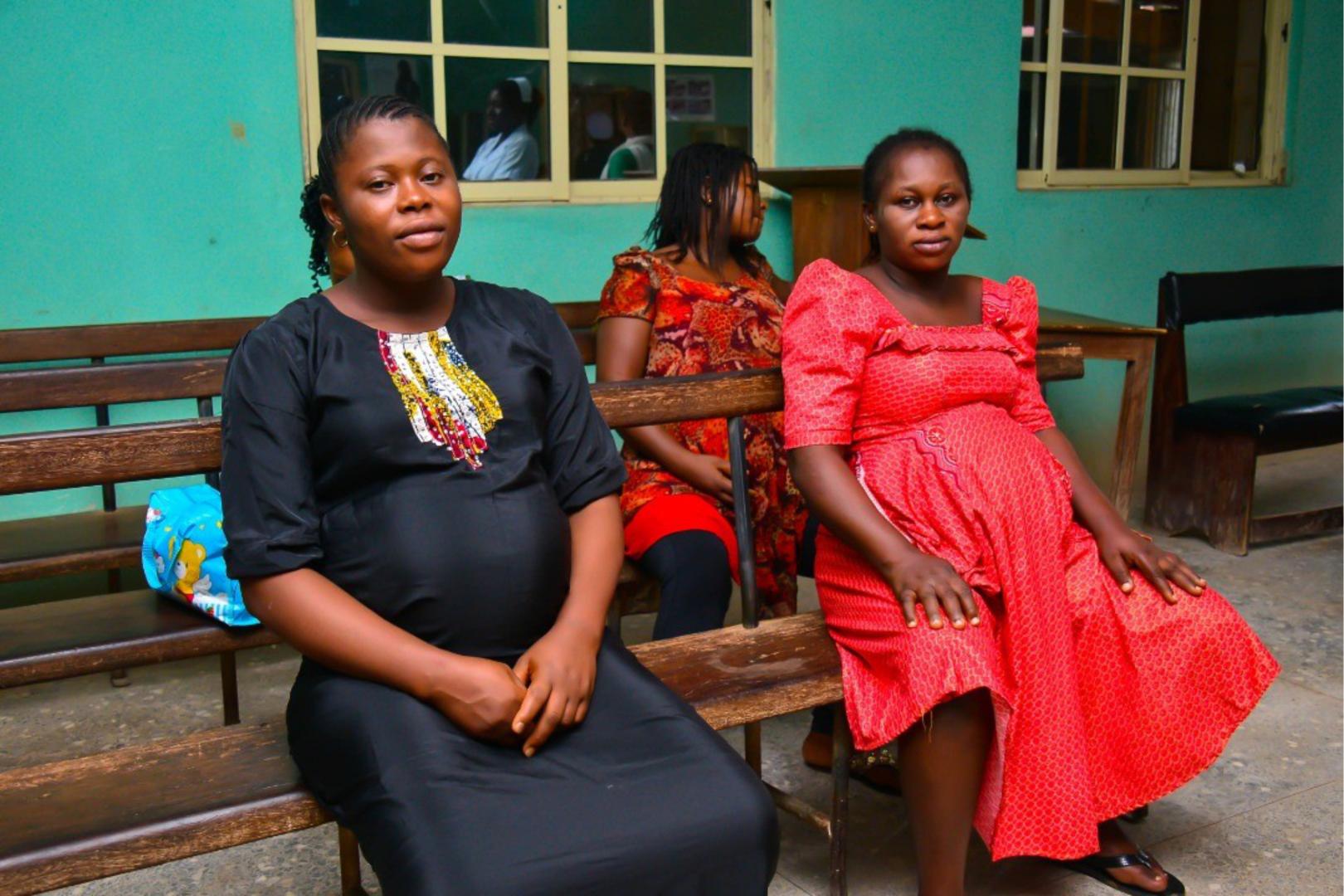
Senior maternal health experts have strongly stated that diarrhoea during pregnancy should not be dismissed as a minor illness or normal pregnancy symptom, noting that persistent loose stools may cause dehydration, trigger contractions and result in preterm labour and miscarriage.
The physicians explained that diarrhoea, which could be caused by hormonal changes in pregnancy, infections, contaminated food and water, food intolerance, poor dietary habits and reactions to multivitamins and other medications commonly taken by pregnant women, deprives the mother and baby of nutrients and fluids.
They noted that while the condition is often mild and temporary, diarrhoea that lasts more than a day and is accompanied by vomiting, fever, abdominal pain, blood in stool, reduced urination and weakness may be caused by underlying infections and require immediate medical attention.
In interviews with PUNCH Healthwise, the leading gynaecologists stressed that pregnant women experiencing diarrhoea should stay hydrated, eat bland, low-fibre foods, and should not self-medicate or rely on home remedies when symptoms persist.
They urged pregnant women to regularly attend antenatal, maintain proper hand and food hygiene and eat nutritious meals.
According to the World Health Organisation, “during a diarrhoeal episode, water and electrolytes (sodium, chloride, potassium and bicarbonate) are lost through liquid stools, vomit, sweat, urine and breathing. Dehydration occurs when these losses are not replaced.”
Providing expert insight into the matter, a Professor of Obstetrics and Gynaecology at the University of Ibadan, Oyo State, Christopher Aimakhu, said diarrhoea in pregnancy was usually mild and temporary, and should not be ignored when it occurs, so as to prevent dehydration.

He further stated that diarrhoea, which refers to frequent stooling, may occur due to food poisoning, improper food and hand hygiene, hormonal changes in pregnancy, reactions to supplements or multivitamins, particularly iron and infections like gastroenteritis or bacterial infections.
Aimakhu explained that hormonal fluctuations involving progesterone and prostaglandins may alter digestion and bowel movement during pregnancy and may cause diarrhoea.
He noted that prolonged diarrhoea could cause dehydration and stimulate uterine contractions, leading to preterm labour and miscarriage.
“The intestines and uterus are muscular organs. If the intestines are moving rapidly and relaxation occurs, the same effect can happen in the uterus. If you are not careful, diarrhoea can lead to threatened abortion or preterm labour,” he stated.
The gynaecologist advised increased water intake and avoiding food that can further trigger stooling.
He said, “Make sure you take a lot of water. Make sure her food is okay, and make sure the food she eats is nutritious. Stick to things that are bland or solid, things like rice, bread, and things that have low fibre. Bananas are helpful. Then avoid things that can trigger or cause diarrhoea. Milk and yoghurt can cause diarrhoea.”
The second vice president of the Society of Gynaecology and Obstetrics of Nigeria explained that signs of dehydration in a pregnant woman include dizziness, excessive thirst, reduced urination, abdominal cramps, and a dry tongue, and warned that the presence of blood or mucus in stool, or fever, required urgent medical attention.
Aimakhu said, “If she’s dizzy, if she’s very thirsty, if she’s passing not so much urine, those are signs of dehydration. And then if she has abdominal pains or cramps, because the intestines are already dry, she could have a problem. When a woman has passed so much stool and has blood or mucus in her stool, she should have it checked.”
The consultant gynaecologist warned against the indiscriminate use of antidiarrhoeal medication in pregnancy, saying the risks must be weighed against the benefits.
The professor also decried the practice by some health practitioners of wrongly diagnosing pregnant women with typhoid fever and placing them on unnecessary intravenous antibiotics.
He said, “We still have a lot of quacks that try to make money off patients, like giving them all sorts of diagnoses. They imagine typhoid in pregnancy. There’s nothing like that.”
Aimakhu urged pregnant women to ensure personal and food hygiene, eat properly and attend antenatal health talks regularly.
In his contribution, a Professor of Obstetrics and Gynaecology at the Obafemi Awolowo University, Ile-Ife, Osun State, Ernest Orji, said diarrhoea in pregnancy should not be dismissed as a minor illness because of its potential to affect the mother and foetus.

He identified hormonal changes in pregnancy, intolerance to certain foods, reactions to medications, and contaminated food and water as the common causes of diarrhoea in pregnant women.
He urged pregnant women to become concerned when diarrhoea lasts more than a day, or is accompanied by dehydration, abdominal pain, or contractions, stating that they should immediately seek medical attention to prevent the risk of preterm labour and miscarriage.
The gynaecologist of over three decades, however, warned that diarrhoea associated with bleeding or abdominal pain required immediate hospital attention, without waiting.
Orji discouraged the use of Tetracycline and warned pregnant women against self-medication.
He said, “Generally, Tetracycline is not safe in pregnancy because of the effects on the fetus. In the first three months, avoid it if possible. Because of abuse, we will not encourage women to self-medicate. They should see a doctor to find out the exact cause, to know the drugs to give, and to give them in adequate doses and for adequate duration.”
Orji also corrected the notion among pregnant women that diarrhoea in the last month of pregnancy is a sign of labour, urging them not to dismiss it on that basis.
He said, “Sometimes when they have diarrhoea, some people think that it’s a sign of labour taking place if it’s towards the last month of pregnancy. But it’s always good not to just take it anyhow. The person should see the healthcare provider.”
The gynaecologist recommended oral rehydration solutions, smaller food portions, and avoidance of oily food as immediate home remedies, stressing that “if after a day there is improvement, the person should proceed to the hospital.”
Copyright PUNCH
All rights reserved. This material, and other digital content on this website, may not be reproduced, published, broadcast, rewritten or redistributed in whole or in part without prior express written permission from PUNCH.
Contact: [email protected]
