


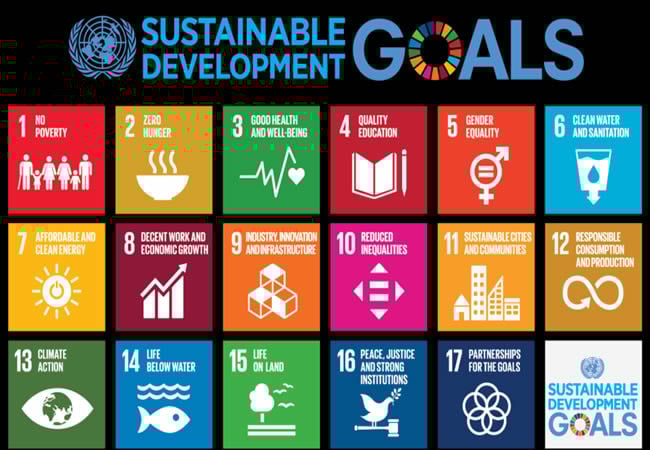
The United Nations has commended the Benue State Government for its implementation of the Sustainable Development Goals model, describing the state as strategically positioned to drive inclusive growth despite prevailing challenges.
The UN Deputy Secretary-General, Dr Amina Mohammed, gave the commendation during a stakeholders’ engagement at the Benue Government House, Makurdi, over the weekend.
She said Benue had a critical role to play, not only in feeding the country but also in generating livelihoods, enterprises and broader prosperity.
Mohammed noted that progress was being made in the state despite a difficult context marked by insecurity.
She said, “Insecurity has disrupted lives, weakened livelihoods, eroded trust and undermined the foundations for peace and development.
“The efforts being made to pursue durable solutions for displaced families, including through access to agricultural land and opportunities for self-reliance, reflect the kind of joined-up leadership this moment demands.
“This is how the SDGs are advanced in practice: through integrated action that connects humanitarian response to long-term development, restores agency, reduces dependency and leaves no one behind.
“With sustained leadership, stronger partnerships and continued investment in livelihoods and value chains, Benue is well placed to translate its assets into more inclusive and resilient growth.
“The UN stands ready to support these efforts in ways that are practical, coordinated and aligned behind state priorities.”
Mohammed also expressed condolences to the families of those killed in recent attacks in the state, including in Mbalom in Gwer East Local Government Area and Yelwata.
According to her, the state requires not only a response to security issues but also a broader commitment to peacebuilding.
Mohammed said this should begin at the grassroots through strengthened early warning and response systems, rebuilding trust across communities, and creating the conditions for reconciliation.
She added that peace could only thrive where justice and accountability existed, noting that without them, peace would remain fragile and reconciliation incomplete.
Mohammed also pledged the UN’s support for sustained investment in human capital, especially children and young people.
“A resilient education system is therefore not only a social priority; it is a foundation for long-term peace, inclusion and recovery.
“We stand ready to work with Benue State to strengthen education data, planning and service delivery, including in hard-to-reach and displacement-affected areas,” she said.
In his remarks, Governor Hyacinth Alia said Benue, as the nation’s food basket, remained central to the stability of Nigeria’s food systems and West Africa’s broader supply chains.
He noted that attacks by armed herders had displaced more than 500,000 persons, worsening the humanitarian crisis in the state.
Alia governor said his administration had provided sustained support for internally displaced persons, including shelters and critical infrastructure in affected communities.
“We launched durable solutions, allocated farmlands and facilitated the return of displaced households to productive life,” the governor said.
Speaking on the Yelwata attack, he said the state, with support from the Federal Government and other partners, had built houses, provided water and education, and supported livelihoods and healthcare services.
“Your Excellency, Benue is ready. Ready to lead. Ready to partner and deliver results that matter, not just for our people, but as a model for Nigeria and the global community.
“What we seek is not charity, but collaboration. Not isolated projects, but integrated systems. Not temporary relief, but lasting transformation.
“Together, we can turn vulnerability into resilience, displacement into opportunity, and potential into prosperity. We invite the United Nations to walk this journey with us,” Alia said.
(NAN)