






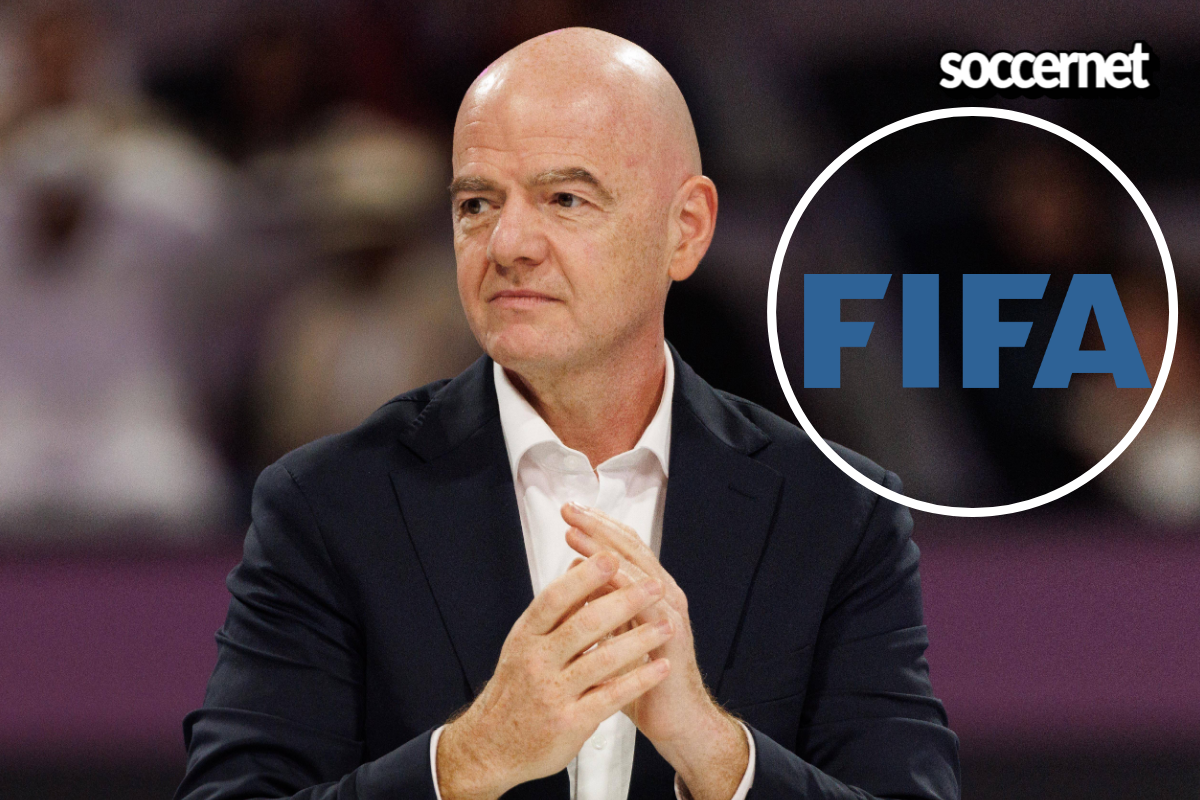
The Nigeria Super Eagles could receive a significant boost in their pursuit of 2030 World Cup qualification, as FIFA President Gianni Infantino has hinted at a potential change in tournament regulations, Soccernet.ng reports.
With the 2026 World Cup currently in its semifinal stage and set to conclude on July 19, discussions regarding the format of the next tournament have already begun.
The 2026 edition serves as the first to feature 48 teams — an increase of 16 from the traditional 32. Aside from some off-field challenges, the tournament has been widely regarded as a significant success. Following this positive reception, there is already speculation regarding a further expansion to 64 teams.

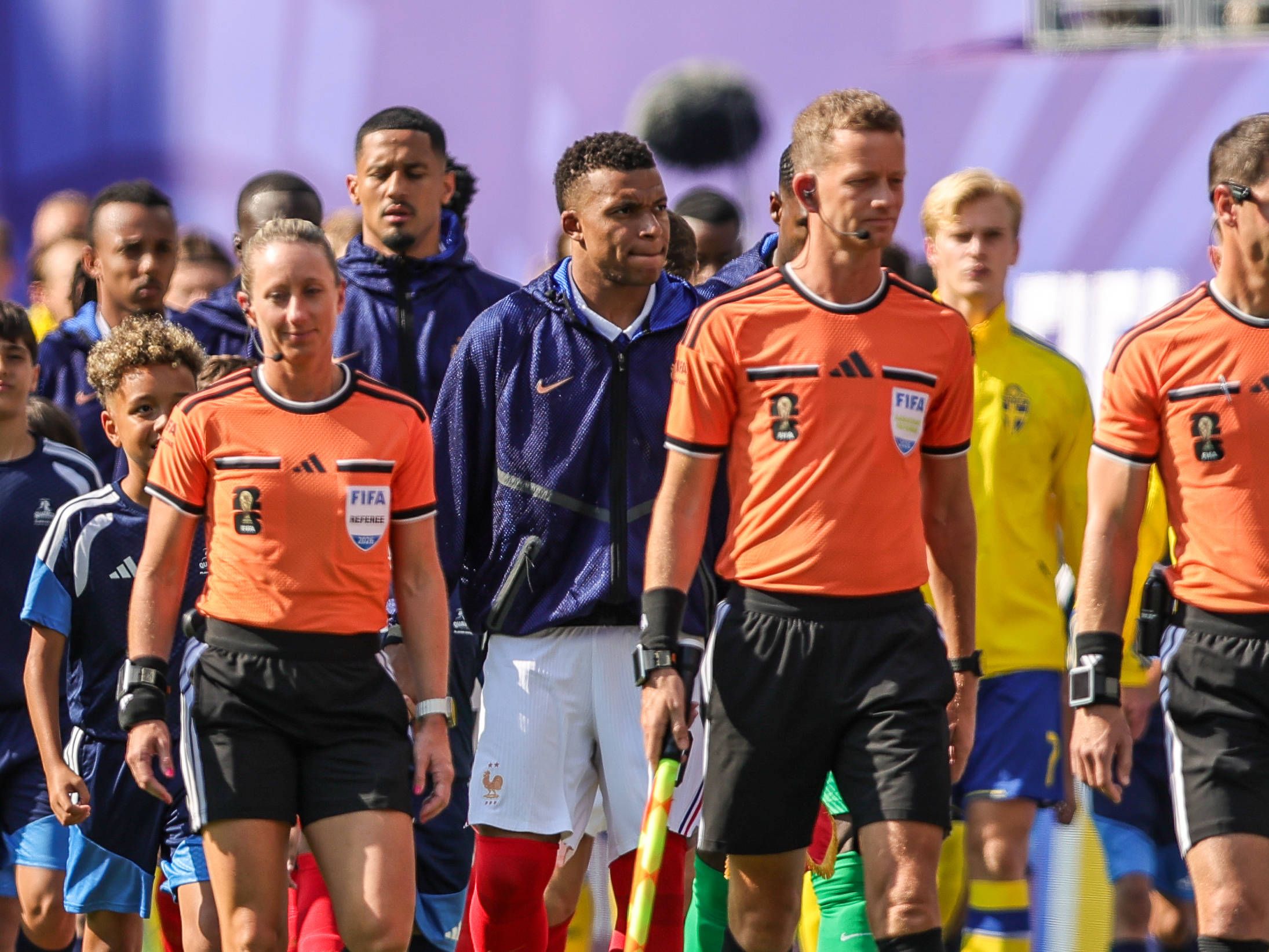
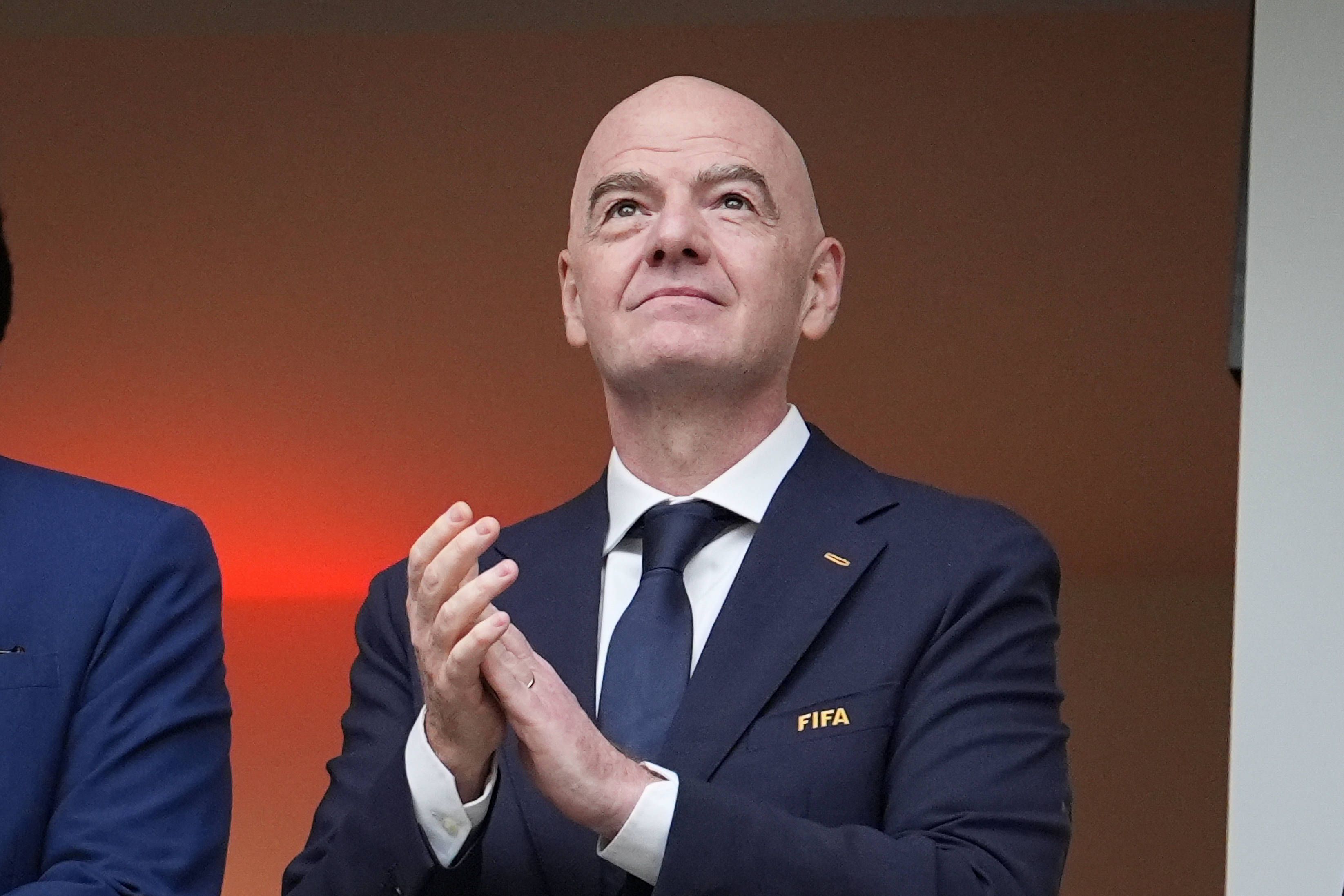
FIFA President Infantino, who spearheaded the shift to the 48-team format, confirmed that he is open to championing a 64-team structure when asked about the rumors.
“This is certainly an issue that will be examined and debated within the relevant committees after this World Cup,” Infantino said, as reported by L’Équipe.
”When you organize such a tournament, it’s important to design it for the whole world, not just for Europe and South America. Every nation should be able to dream of participating. We see that the level of play is extremely high and continues to improve globally. If we don’t offer smaller countries the opportunity to participate, they will lose the motivation to continue developing.”

Will the Super Eagles Profit from a 64-Team Format?
While the 48-team World Cup has been a success, some critics argue that a 64-team tournament might dilute the exclusivity of the competition. However, it could prove beneficial for teams that have consistently struggled to qualify—specifically, Nigeria’s Super Eagles.
Nigeria has failed to qualify for the last two World Cups, marking a disappointing eight-year drought for the team. It was expected that the expansion to 48 teams would make Nigeria a tournament staple; however, that remains to be seen.

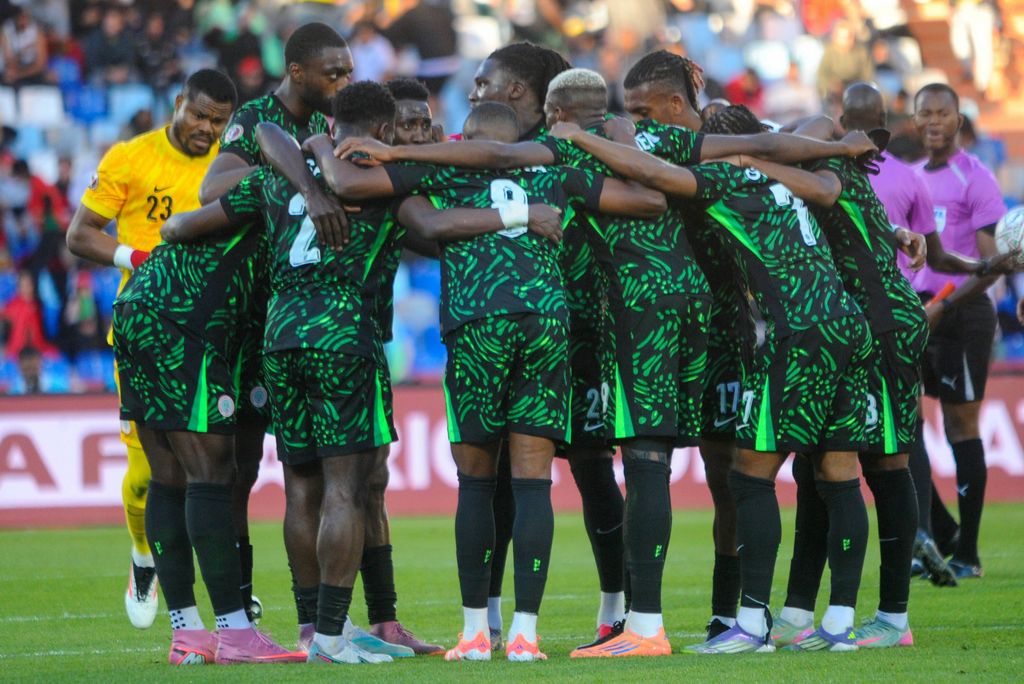
A 64-team tournament would almost guarantee a place for Nigeria, as Africa would likely be allocated at least 15 slots.
Even so, qualification is not guaranteed, given the team’s inconsistent performances in recent years. But in the meantime, the transition to a 64-team format remains a distant possibility.
The proposition has already faced opposition from various football stakeholders, but a great deal could change in the coming months as committees deliberate on the future of the game.


