

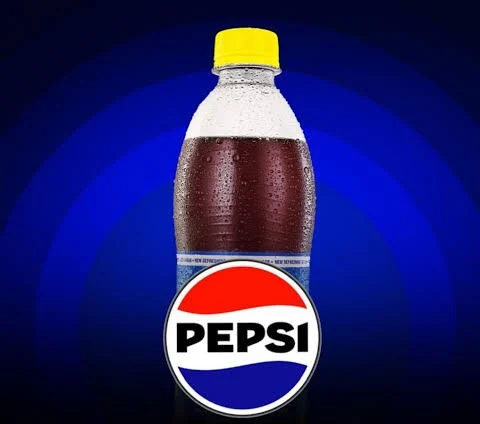

Seven-Up Bottling Company, one of Nigeria’s leading beverage manufacturers, has come under criticism from consumers over its communication regarding changes to the bottle caps of some of its drinks, with some fearing the products could be fake.
The company recently introduced bright yellow caps on its plastic bottles of Pepsi, Mirinda, 7UP, Teem and Supa Komando.
However, some consumers criticised the company for failing to inform the public about the change before the products appeared in the market, urging it to improve its communication and marketing strategies to prevent confusion over the authenticity of its products.
The concerns gained attention on Tuesday, October 13, 2026, when a LinkedIn user, Okafor Gambo, posted a picture of a Pepsi bottle with a bright yellow cap.
Gambo said he had seen the drink being sold to the public and asked the company to clarify whether the change was an official packaging update.
He wrote, “Hello, Seven Up Bottling Company, PepsiCo. I found this on the streets, and it’s been sold out publicly.”
Gambo queried the company, “I doubt if this is a change or original. If there’s a change, why wasn’t it announced?”
“So, we need to be careful out there,” sounding a note of caution to consumers.
Responding to the post on Wednesday, October 14, the company said the yellow caps were part of a “major new exciting initiative” involving its plastic-bottled drinks.
It assured consumers that the products retained their original contents and taste, describing the new caps as a “vibrant new detail.”
“Thank you for looking out for us! The yellow covers you’re seeing across our plastic bottle portfolio, including Pepsi, Mirinda, 7UP, Teem and Supa Komando, are part of a major new exciting initiative.
“Rest assured, it’s the exact same refreshingly great-tasting product inside, just with a vibrant new detail. Full details will be revealed very soon. Stay tuned!” the company wrote.
The company’s clarification and assurance came under scrutiny as some users lamented the time at which such a critical public notice was made.
Gambo, the original poster, said, “Thanks for this. This is more educating. At least, let it be posted.”
One user, Nnamdi Gabriel, asked the company, “Why wait to be called out before the clarity on rebranding. (It) doesn’t speak well for the company.”
Another user, Margaret Ejiro-Edoja, cautioned the company to ensure that consumers are earlier informed about any initiatives.
She noted that such has effects on the consumer’s “trust, confidence and purchasing decisions.”
“This initiative should have been communicated to consumers in advance to ensure they are aware of, and informed about your efforts. In an era where counterfeit products are increasingly prevalent, proactive and transparent communication with consumers is essential,” she wrote.
Another user, Okechukwu Nwabuko, noted that based on the circulation of fake products in the market, “it’s right to keep consumers well-informed when changes are made.”
Gambo further noted in a comment that he decided to make the call-out post after reaching out to the company “privately, yet didn’t get a response from them,” and that no public awareness was made on the rebranding.
One Raphael Echiye, noted that he and four other people, couldn’t purchase the Pepsi drink on a particular day because they doubted the authenticity of the product.
“The marketing team needs to do more,” he advised.
Later on Wednesday, the company made a post in its LinkedIn handle, announcing the change in the colour of the capped bottles.
The company said the reason behind the change was to “delight” their customers, among gither reasons.
“The products you know and love, remain the same, with the same taste and refreshment.
“We believe that staying connected to our consumers means continuously looking for new ways to engage, surprise and delight them. These yellow covers are part of something exciting for lovers of Seven-Up Bottling Company, and our brands. We look forward to sharing more soon,” it said.
Following up on the company’s announcement, one user, Onyeka Amanze, stated that the company ought to have put the horse before the cart, and not otherwise.
He wrote, “Thanks for the information, though this is coming a bit late because this change in your product packaging is already in the market, and consumers are concerned about the integrity of the product.
“For product reliability and integrity, this communication should come before introducing the product into the market.”
Gabriel further lamented that the yellow caps on Pepsi drinks looked “weird,” as he cautioned that the company’s initiative could be an avenue of doing their competitors a “favour.”
Our correspondent observed that other consumers also raised concerns on Pepsi Nigeria’s X page, prompting assurances from the company’s account about the drinks with the new caps.
On October 9, one X user identified as Adeleke Ifeoluwa, tweeted, with a picture of a yellow-capped Pepsi drink, “Hello #Pepsi, please can you confirm if this Pepsi bottle is authentic? I noticed the cap is yellow, and I’m wondering when you changed the cap colour to yellow. Is this an official packaging change? Kindly clarify.”
In its response, Pepsi Nigeria tweeted, “The yellow cover bottles are the same Pepsi you love. We’ve got something exciting coming. So keep buying and stay locked in.”
On Pepsi Nigeria’s Facebook page, one user, Godfrey Daniel, lamented, “I went to buy this for someone. When I arrived, the person sent me back to return the four packs and get the normal blue cover. I told her that I saw the SON logo there, but she insisted I return them.”
Another Facebook user, Prince Adeniti, said that he saw a Pepsi drink with a yellow cap but thought “the Pepsi was fake.”
