

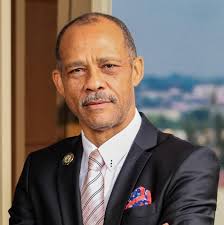
Lagos State’s robust and tested biosecurity architecture remains fully activated and prepared to detect, contain, and respond rapidly to Ebola virus disease, and any biological threat, the Commissioner for Health, Prof. Akin Abayomi, has said.
The commissioner stated this while reassuring residents that there is no cause for alarm over the evolving Ebola outbreak in Central and East Africa.
In a statement on Sunday, Abayomi said Lagos was closely monitoring developments surrounding the outbreak of Ebola in DRC and Uganda following directives from Governor Babajide Sanwo-Olu.
PUNCH Healthwise earlier reported that the World Health Organisation declared the Ebola outbreak in the DRC and Uganda a Public Health Emergency of International Concern following the spread of a rare strain of the virus with no approved vaccine or specific treatment.
There have been more than 390 suspected cases and at least 100 reported deaths, according to the Africa Centres for Disease Control and Prevention.
So far, there are no confirmed cases of Ebola Virus Disease in Nigeria. The Nigeria Centre for Disease Control and Prevention has assured Nigerians that there is no need to panic.
According to the NCDC, the country has the capacity to combat the disease as it is actively maintaining nationwide surveillance and emergency preparedness measures.
Speaking further, the commissioner said as of now, no case suggestive of Ebola Virus Disease has been identified within Lagos.
According to him, Lagos has, over the years, built a resilient and outbreak-tested biosecurity system designed for continuous year-round preparedness and response against high-consequence infectious diseases, including Ebola, Lassa Fever, and Influenza.
“The Lagos Biosecurity Bio-shield was built to protect and remains ready to respond to biological shocks. Preparedness for us is not a temporary reaction; it is a permanent culture embedded within our health system.
“The State’s preparedness framework was first rigorously tested during the Ebola outbreak and significantly strengthened during the COVID-19 pandemic. It remains actively engaged in responding to recurrent public health challenges, such as Cholera, Diphtheria, and Lassa Fever outbreaks,” the commissioner said.
Abayomi highlighted Lagos’ readiness architecture to include Lagos Incident Command System, which enables the rapid deployment of government resources and ensures seamless executive coordination during public health emergencies, and is led directly by Sanwo-Olu as Incident Commander.
He said the Lagos State Emergency Operations Centre remains operational around the clock, with a dedicated network of highly trained epidemiologists and disease surveillance specialists who can be rapidly deployed for outbreak investigation and containment.
According to him, the Lagos State Infectious Disease Hospital, Yaba, continues to maintain a state of readiness through its infectious disease specialists.
Abayomi added that the Biosafety Level-3 Laboratory and Biobank Facility located within the hospital remains on enhanced surveillance operations for the real-time diagnosis and monitoring of high-risk pathogens.
He said the government was in collaboration with Port Health Authorities.
“All flights arriving from East and Central Africa are receiving heightened public health attention and scrutiny as part of precautionary measures to strengthen early detection and risk mitigation,” he said.
The commissioner noted that Lagos has integrated community health workers, community development associations, and civil society organisations into its early warning and disease surveillance network.
Additionally, he said strategic emergency stockpiles, including personal protective equipment, gloves, sanitizers, and other critical commodities, have been pre-positioned across key locations.
He noted that ambulance services remain strategically deployed to support rapid emergency response.
“Our focus remains firmly on prevention, early detection, prompt reporting, and swift multi-sectoral response. Lagos remains vigilant, organized, and safe,” Abayomi said.
Abayomi advised residents, particularly those who recently travelled to affected areas in Congo or Uganda, or who have had close contact with individuals returning from those countries and have medical concerns, to promptly seek guidance through emergency channels.
Copyright PUNCH
All rights reserved. This material, and other digital content on this website, may not be reproduced, published, broadcast, rewritten, or redistributed in whole or in part without prior express written permission from PUNCH.