



The Lagos State Government has intensified efforts to strengthen food safety and protect consumers from foodborne illnesses, urging restaurants, hotels, bakeries, markets, and other food establishments to adopt and strictly comply with internationally recognised food safety practices.
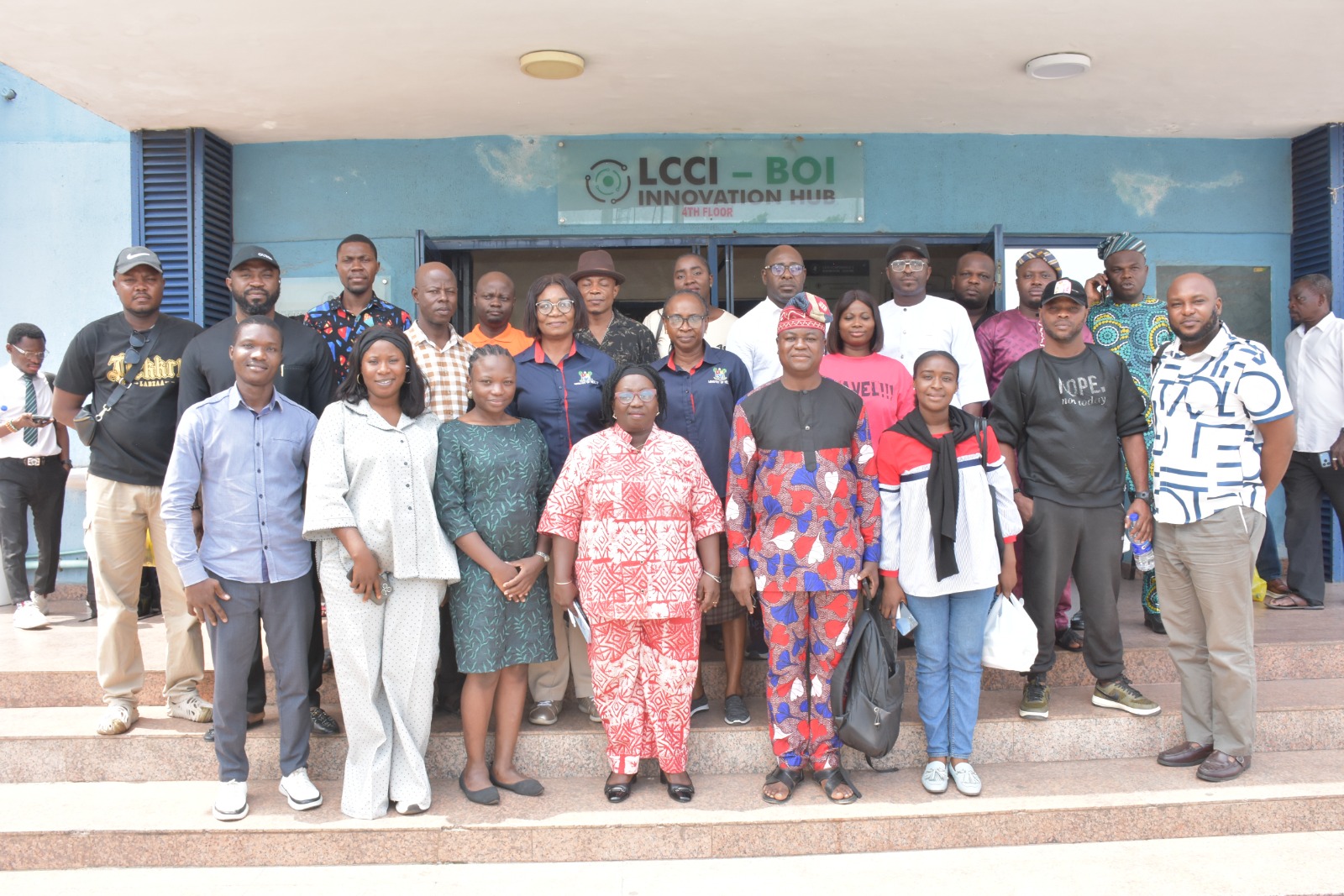
The Permanent Secretary, Lagos State Ministry of Health, Dr Dayo Lajide, made the call on Friday at a one-day sensitisation workshop on Food Safety Management Systems and Regulatory Compliance, organised by the Ministry’s Directorate of Environmental and Occupational Health Services at the Lagos Chamber of Commerce and Industry, Alausa, Ikeja.
Lajide, represented by the Director of Environmental and Occupational Health Services, Dr Yeside Shogbamimu, said ensuring food safety has become an increasingly important public health responsibility in Lagos, where millions of meals are prepared, sold, and consumed daily.
She explained that unsafe food could transmit harmful microorganisms, chemicals and other contaminants, resulting in foodborne diseases, outbreaks and, in severe cases, loss of life.
She told food operators to regard food safety as an ethical responsibility and an investment in business sustainability and consumer well-being, rather than just a regulatory requirement or a way to avoid government sanctions.
The PS urged operators to see regulators as partners in safeguarding public health.
In her presentation, the Head of the Food Safety Unit, Mrs Blessing Kezienwata, said strong food safety standards would reduce hospital admissions, restore consumer confidence, support the United Nations Sustainable Development Goals 2 and 3, and boost tourism and economic growth.
Kezienwata also highlighted the legal framework underpinning the unit’s operations, citing Section 14 of the Lagos State Public Health Law, which empowers enforcement officers to inspect food premises, and Section 46, which mandates nutritional information on all packaged food products.
She said the unit enforced the Hazard Analysis and Critical Control Points system, known as HACCP, as Lagos State’s adopted food safety management framework, and that certification was valid for two years before renewal was required.
She urged food business operators across the state to adopt preventive food safety measures, stating, “In June 2026, it is reported that about 50 million Nigerians get sick from foodborne illnesses. Out of these 50 million Nigerians, we have about 53,000 deaths. And these 53,000 deaths, 80 per cent of them are under five.”
Kezienwata urged food businesses to regard regulators as partners in ensuring that food was safe, rather than viewing inspections only as fault-finding exercises.
The Head of FSU also called on operators to ensure food handlers possessed medical certificates of fitness, that water used for cooking and washing underwent periodic laboratory analysis, and that integrated pest management practices were adopted rather than reliance on chemical controls alone.
Speaking on food safety and HACCP, a food safety and quality consultant at Food Health Systems Advisory, Ms Chizoma Unegbu, urged food businesses to establish effective food safety systems, maintain proper records and routinely monitor their operations to prevent contamination and foodborne illnesses.
She said food safety should not depend on workers’ memory or guesswork, stressing that businesses needed clear procedures, preventive controls and accountability structures to ensure that food remained safe throughout production and service.
“From experience, the problem is not the knowledge gap. But it’s having the right system. Having the right controls and having accountability structures,” she said.
Unegbu warned that unsafe food posed health and economic risks, noting that biological, chemical, physical and allergenic hazards could enter food at different stages of handling and preparation.
The food safety expert said foodborne illnesses were preventable, but required deliberate measures to identify hazards and control them before they caused harm.
Unegbu said documentation was essential for ensuring consistency, establishing accountability, identifying recurring problems early, supporting corrective action, tracing products and providing evidence during audits.
Also, the Lagos State Consumer Protection Agency, through its Director of Scientific Investigation, Research and Development, Mr Lucas Raheem, who represented the General Manager, Barrister Afolabi Sholebo, described food safety as a fundamental consumer right and a shared responsibility.
He urged food operators to embrace preventive measures and proper food handling, noting that effective HACCP implementation would reduce contamination risks, strengthen quality assurance and boost consumer confidence.
Similarly, the Executive Secretary of the Restaurants and Fast Food Proprietors Association of Nigeria, Mr Babatunde Ogun, commended the Ministry for the engagement, describing food safety as a critical issue that the restaurant industry must continually prioritise.
He assured the government that knowledge gained at the workshop would be cascaded to member brands and outlets, while encouraging operators to regard regulatory officers as partners rather than adversaries.
In her closing remarks, the Director of DE-OHS, Shogbamimu, urged participants to become ambassadors of food safety by sharing the knowledge acquired with colleagues, business partners and other operators who were unable to attend the workshop.
She acknowledged the enormous number of food establishments across Lagos, noting that government could not engage all operators simultaneously, and reaffirmed the Ministry’s readiness to collaborate with stakeholders, address their concerns and strengthen coordinated interventions.
She commended REFSPAN and other stakeholders for their partnership, reiterating that the Ministry would continue to combine public enlightenment, technical guidance, monitoring and enforcement to improve compliance.
The workshop, which focused on food hygiene, regulatory standards and consumer protection, was designed to promote a sustainable food safety culture, improve accountability among food business operators, strengthen compliance with state regulations and equip establishments to identify and address potential hazards before routine inspections.
Participants were also exposed to the HACCP framework adopted by Lagos State as its food safety management system.
Copyright PUNCH
All rights reserved. This material, and other digital content on this website, may not be reproduced, published, broadcast, rewritten, or redistributed in whole or in part without prior express written permission from PUNCH.