




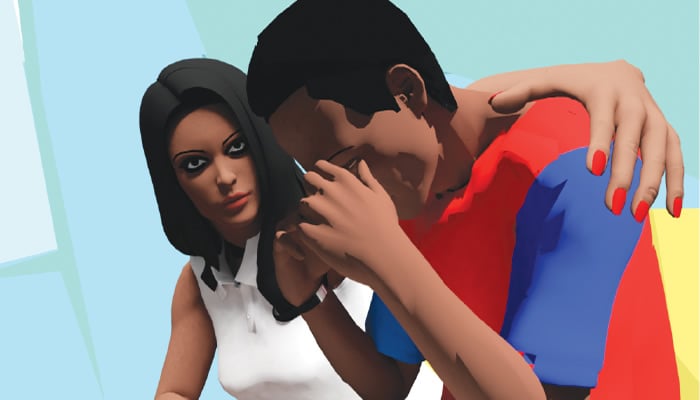
Seasoned mental health professionals have said that early help and sustained care are critical to breaking the cycle of trauma, stressing that healing from childhood trauma is possible.
According to the psychiatrists, unresolved traumatic experiences from early life can manifest in adulthood as anxiety, depression, relationship difficulties, and harmful behavioural patterns.
If left unaddressed, they said childhood trauma often affects productivity and overall quality of life.
They explained that with appropriate interventions such as psychotherapy, supportive family environments, and community awareness, survivors can gradually rebuild emotional resilience.
Childhood trauma leaves an indelible mark of fear on its victims, with some people not aware they’re dealing with trauma.
As a result, adults who have experienced traumatic events in childhood are terrified of reliving such incidents and avoid any event or circumstance that might remind them or make them repeat the situation.
Consequently, if left untreated, this affects the individual’s ability to have a sound and healthy relationship with people around them.
Several studies have found that adults who had a traumatic childhood suffered from feelings of mistrust and fear, among others.
Speaking exclusively with PUNCH Healthwise, A Consultant Psychiatrist at the Federal Neuropsychiatric Hospital, Aro, Abeokuta, Ogun State, Dr. Sunday Amosu, said unresolved childhood trauma manifests in people’s everyday behaviour, but is often ignored.


According to him, psychological conditions linked to childhood trauma include depression, anxiety disorders, post-traumatic stress disorder, especially complex PTSD, and substance use disorders.
“In everyday life, childhood trauma can manifest in behaviour, but it is often missed because people do not dig deep enough,” he said.
To heal from childhood trauma, the mental health expert urged people to look deeper and inward.
He explained that when trauma is identified, trauma-informed care becomes essential.
“When trauma is identified, it shapes the approach to counselling and treatment. The problem is that many times, we treat only the symptoms. We prescribe antidepressants for depression or antipsychotics for psychosis, and the symptoms may temporarily improve, but the trauma remains untreated. Because the root cause has not been addressed, the problem returns,” he said.
According to him, unresolved childhood trauma could be due to abuse, loss, academic failure, repeated rejection, or unmet expectations.
“If these are not addressed, they remain in the background and resurface repeatedly,” he said.
Amosu said effective treatment involves trauma-focused psychotherapy, particularly trauma-focused cognitive behavioural therapy.
By helping individuals process what they experienced in the past, he said, therapy helps them understand why they behave the way they do in the present and supports long-term healing.
The consultant psychiatrist explained that the second aspect is treating associated conditions.
“Individuals who have experienced trauma may develop depression, anxiety, post-traumatic stress disorder, or substance use disorders. Some may lose interest in eating, leading to significant weight loss.
“These associated conditions must be treated alongside the trauma itself. Treating these is a critical part of comprehensive care,” he said.
Amosu also noted that social and environmental healing is essential for individuals with unresolved childhood trauma.
“This includes helping individuals build stable and safe relationships. People who come from abusive homes must be guided carefully so they do not rush into abusive relationships similar to those they witnessed growing up, as trauma has a way of repeating itself. Stability in relationships is crucial for healing,” he said.
Also speaking, a consultant psychiatrist, Dr. Samuel Aladejare, emphasised the importance of recognising the lasting impact of childhood trauma.


“The first step is to acknowledge that the traumatic experience occurred and that it still affects your life.
“Often, these memories and emotional wounds are buried in the subconscious, but they continue to influence how we react to people and situations,” he noted.
He advised that once the trauma is acknowledged, seeking professional help becomes vital.
He said a mental health specialist can guide individuals through appropriate therapy, which may involve revisiting the traumatic experiences in a safe setting, learning coping mechanisms, and addressing the emotional roots of the anger.
Copyright PUNCH
All rights reserved. This material, and other digital content on this website, may not be reproduced, published, broadcast, rewritten, or redistributed in whole or in part without prior express written permission from PUNCH.