

By Iyanuoluwa Abiola
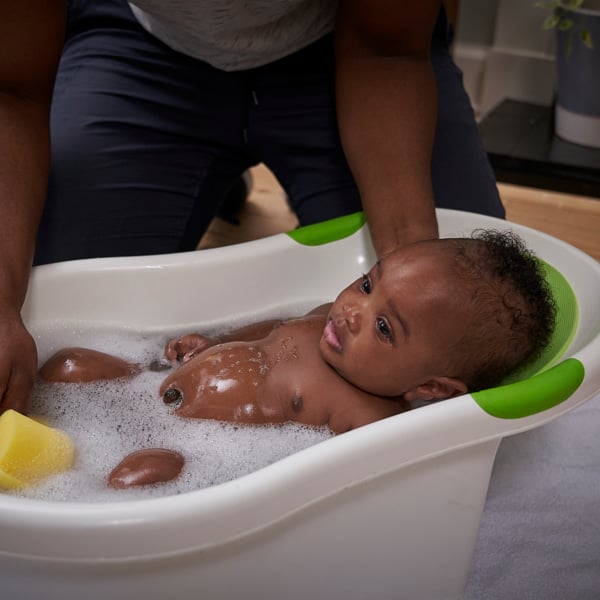
Child health experts have cautioned parents against bathing babies and children with cold water, especially during the rainy season, warning that the practice could expose them to hypothermia and increase their risk of infections.
They emphasised that keeping babies warm, especially during bathing, remains a simple but critical step in preventing avoidable illnesses during the cold season.
The paediatricians clarified that cold water does not cause pneumonia but may weaken a child’s immunity or trigger complications, especially in those with underlying conditions like asthma and sickle cell disease.
The warning comes as Nigeria experiences the peak of the rainy season, a period associated with lower temperatures, particularly in the early hours of the day and after overnight rainfall.
Data from the Nigerian Meteorological Agency shows that the rainy season, which begins around late February, typically peaks between July and August, bringing frequent rainfall and cooler weather conditions across many parts of the country.
During this period, water temperature drops, raising concerns about the impact of cold exposure on infants.
Hypothermia refers to a condition in which the body temperature falls dangerously low as heat is lost faster than it is produced. Babies are especially vulnerable due to their limited ability to regulate body temperature.
The World Health Organization, in its guidance on newborn care and thermal protection, underscores the need to keep infants warm, noting that they are highly susceptible to heat loss.
The American Academy of Pediatrics, through its HealthyChildren guidance, also advises maintaining warmth during infant care, including the use of warm water and a warm environment during bathing.
Speaking exclusively with PUNCH Healthwise on this issue, the Head of Paediatrics at the Federal Teaching Hospital, Katsina, Dr Abdurrazzaq Alege, explained that babies are particularly vulnerable to cold exposure.

“Babies lose heat faster than adults because their bodies are not yet developed enough to regulate temperature effectively. When exposed to cold water in a chilly environment, they can easily slip into hypothermia,” the paediatrician said.
Alege dismissed the widespread belief that cold exposure directly causes pneumonia.
“Cold weather or cold water does not cause pneumonia. Pneumonia is caused by infections, either viral or bacterial.
“What cold does is reduce the body’s resistance, making children more vulnerable to those infections,” he explained.
According to Alege, the effect of cold exposure varies among children.
“Not every child exposed to cold will fall ill. However, children with underlying conditions are more at risk, as the cold can trigger or worsen existing health issues,” the paediatrician added.
He noted that caregivers may observe symptoms such as cough, catarrh and breathing difficulty.
“When the body’s resistance is lowered, infections can take advantage, leading to symptoms like cough, catarrh and breathing difficulty,” Alege noted.
He added that parents should monitor their children when they suspect cold exposure.
“The most reliable way is by measuring the child’s temperature using a digital thermometer placed in the armpit,” Alege said, adding that it is advisable for parents to have one at home.
Offering practical advice, the paediatrician urged parents to adopt safer bathing practices, particularly during the cold season.
“Use lukewarm water, ensure the room is warm, and dry the baby immediately after bathing. Proper covering is also essential,” he advised.
Alege also faulted claims that cold water helps to strengthen babies, describing such beliefs as unfounded.
“There is no scientific evidence to support that. What we see instead are the risks,” he added.
Also speaking, a Consultant Paediatrician and child health advocate, Dr Ayodele Renner, stressed the importance of maintaining warmth in infants.

“For newborns, temperature regulation is still immature. Any sudden exposure to cold, including cold water baths, can destabilise them quickly,” he said.
The Health Education Enthusiast further said a drop in body temperature could place stress on a child’s system.
“The body begins to use more energy to generate heat, and that can affect feeding, growth and overall wellbeing,” Renner explained.
He also clarified misconceptions about pneumonia.
“It is important for parents to understand that pneumonia is caused by infections. Cold exposure only lowers resistance, making it easier for those infections to occur,” he added.
Renner warned that repeated exposure to cold conditions could lead to more frequent illnesses.
“It may not seem serious at first, but over time, repeated cold stress can weaken the child’s resistance,” he noted.
Advising parents on safer practices, he recommended simple precautions.
“Always test the water temperature, keep the bath brief, and wrap the child immediately after,” the noisynaijapaediatrician counselled.
Copyright PUNCH
All rights reserved. This material, and other digital content on this website, may not be reproduced, published, broadcast, rewritten or redistributed in whole or in part without prior express written permission from PUNCH.
Contact: [email protected]
