






Chima Azubuike
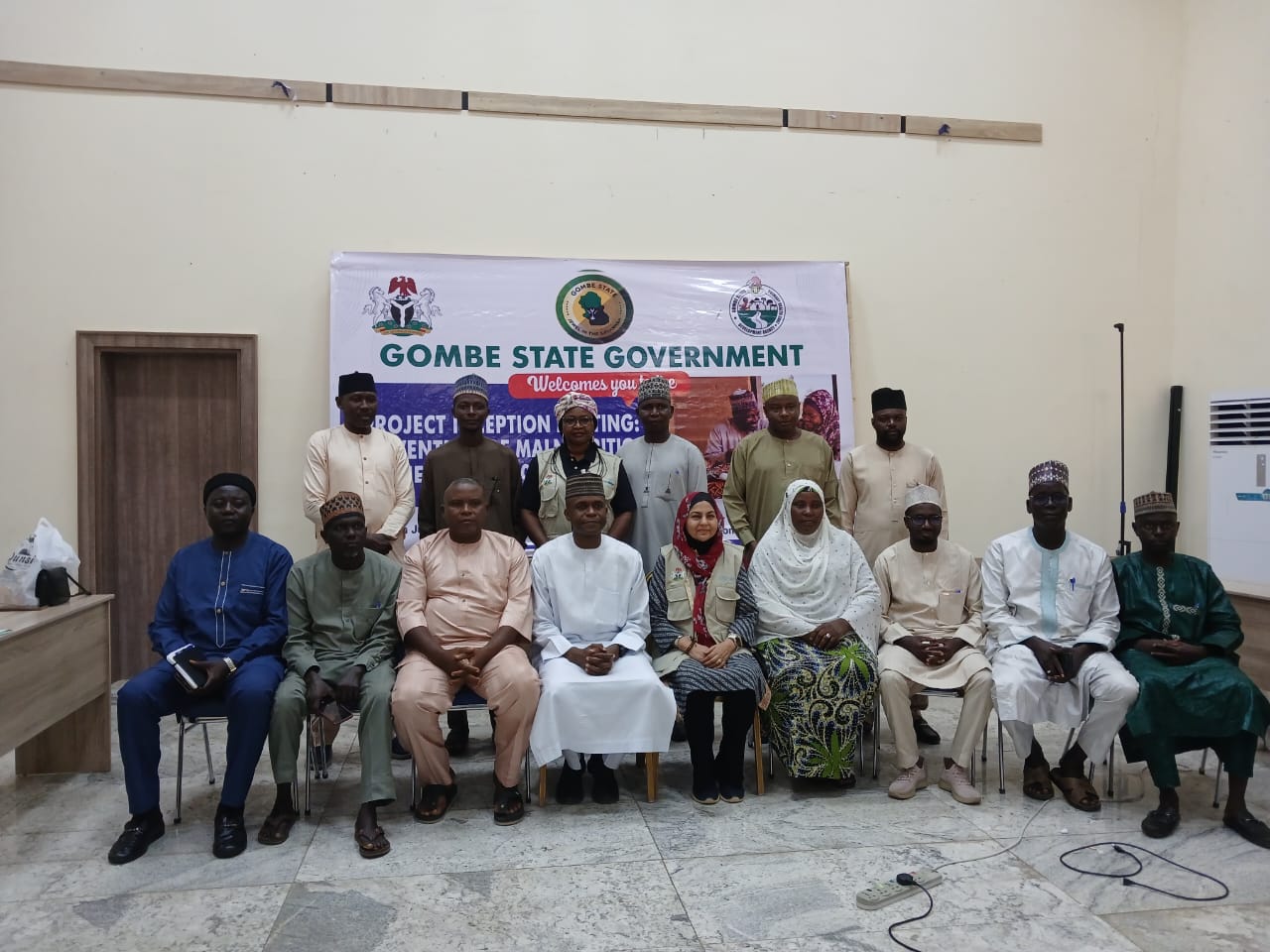
The United Nations Children’s Fund, in partnership with the Gombe State Government and the Latter-day Saints Charities, has launched a new initiative aimed at preventing malnutrition during the first 1,000 days of a child’s life, describing the period as the most critical window for a child’s survival, growth and lifelong development.
PUNCH Healthwise reports that the initiative is expected to improve maternal nutrition, increase exclusive breastfeeding rates, promote appropriate complementary feeding, prevent micronutrient deficiencies and strengthen community-based nutrition services across Gombe State.
Stakeholders were drawn from traditional, faith-based groups, civil society organisations, Mama-2-Mama, and the Good Fathers Forum.
Speaking at the stakeholders’ meeting held in Gombe on Monday, UNICEF Chief of Field Office, Dr Nuzhat Rafique, said the initiative would strengthen maternal and child nutrition services while helping to reduce child deaths linked to malnutrition.
“The first 1,000 days of life, from conception until a child’s second birthday, represent the most critical period for brain development, physical growth, immunity and lifelong health,” Rafique said.
She added, “Because the first 1,000 days happen only once. If we get it right, children will survive, learn better, grow stronger and become healthier, more productive citizens.”
Rafique noted that malnutrition remains one of the leading underlying causes of child deaths worldwide, accounting for nearly half of all deaths among children under five years.
She said findings from Nigeria’s 2023–2024 National Demographic and Health Survey showed that malnutrition continues to threaten the wellbeing of children in Gombe State, underscoring the urgency of the intervention.
According to her, the project aligns with the Federal Government’s Nutrition 774 Initiative and the Health Sector-Wide Approach, while supporting implementation of the National Food and Nutrition Policy.
She explained that the programme would focus on strengthening nutrition planning and financing, improving access to quality nutrition services for pregnant women and young children, and promoting behavioural change to encourage healthy feeding practices.
“The success of this initiative will require strong political commitment, sustained domestic investment and effective collaboration across sectors,” she said.
Rafique urged stakeholders to prioritise nutrition financing, improve coordination, utilise quality data for planning and accountability, and mobilise communities to adopt optimal maternal, infant and young child feeding practices.
Also speaking, the Executive Secretary of the Gombe State Primary Health Care Development Agency, Dr Abdulrahman Shuaibu, described malnutrition as a major public health challenge responsible for significant illness and deaths among children under five.
“Child mortality is related to malnutrition. That is why we are very happy and excited about this initiative by UNICEF,” Shuaibu said.
He explained that the intervention would address nutrition from pregnancy through childbirth, exclusive breastfeeding and complementary feeding.
“We are going to intensify awareness and sensitisation across women and communities with a view to reducing malnutrition because the figures are very alarming,” he said.
Highlighting the scale of the challenge, Shuaibu noted that Africa bears the highest burden of malnutrition, while Nigeria’s North-East continues to record poor nutrition indicators.
“There is a need for government, development partners, private organisations and civil society organisations to work together to address malnutrition holistically,” he added.
Copyright PUNCH
All rights reserved. This material, and other digital content on this website, may not be reproduced, published, broadcast, rewritten, or redistributed in whole or in part without prior express written permission from PUNCH.
Contact: [email protected]


