







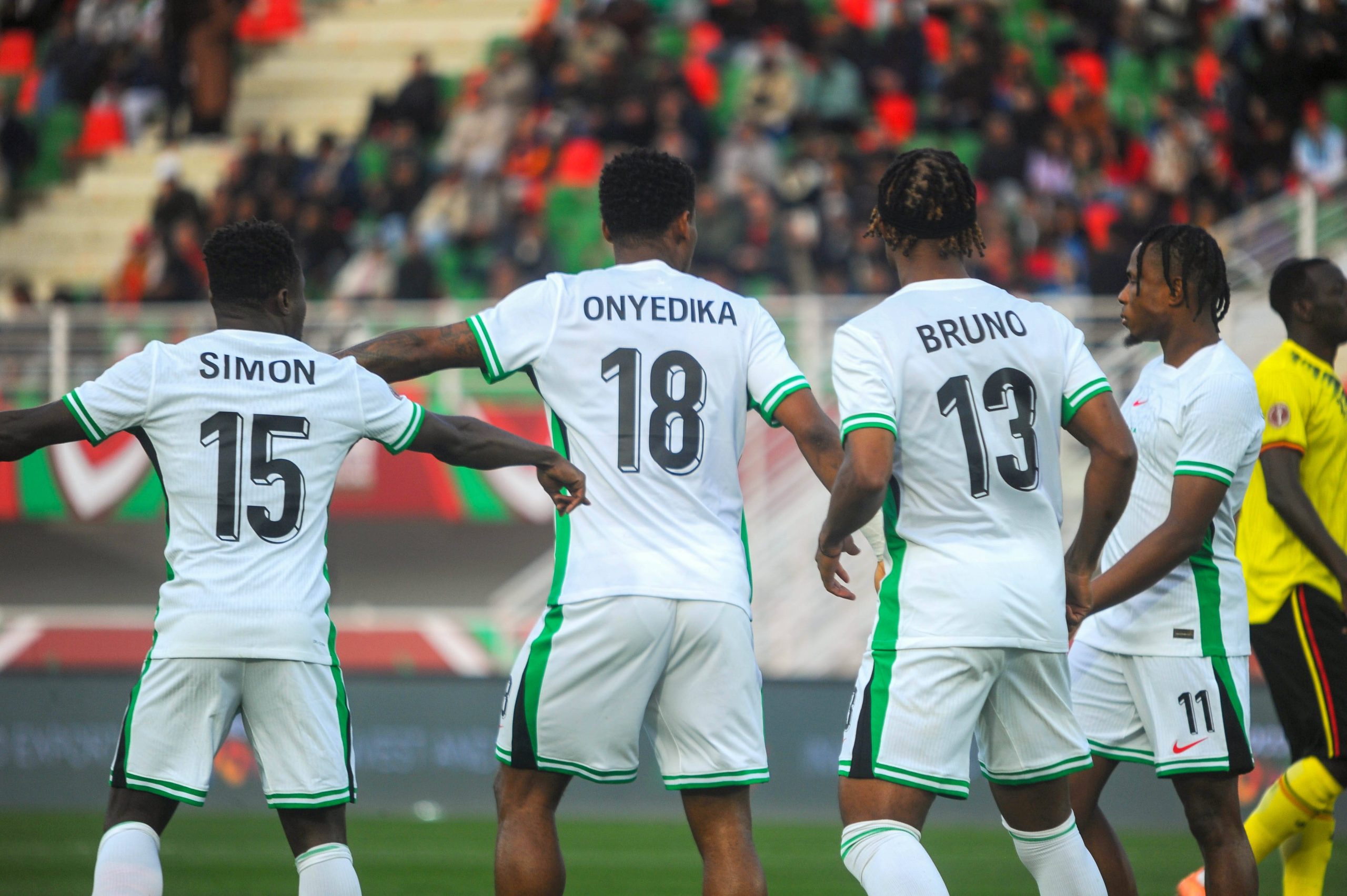
The Super Eagles‘ absence from the 2022 FIFA World Cup in Qatar remains one of the most painful memories for Nigerian football fans in recent years.
The three-time African Champions narrowly missed out on qualification after suffering a heartbreaking playoff defeat to their West African rivals, the Ghana national football team, who progressed on the away goals rule following a 1-1 aggregate draw.
While Ghana went on to represent Africa at the tournament, many observers have continued to wonder how Nigeria might have performed had they taken their place in Group H alongside Portugal, Uruguay, and South Korea.
A recent supercomputer simulation analysing team strength, squad depth, and form at the time has attempted to answer that question, and the results suggest the Super Eagles could have been competitive in Qatar.

Get Our Sports News First – Join Our WhatsApp Channel Now!
Nigeria vs Portugal: A difficult but not impossible task
In reality, Ghana lost their opening match 3-2 to Portugal in a thrilling encounter led by the legendary Cristiano Ronaldo.
Portugal’s attacking quality, which also included the likes of Bruno Fernandes and Bernardo Silva, made them one of the strongest teams in the group.
However, the supercomputer simulation suggests Nigeria would likely have produced a more cautious tactical approach than Ghana did in that game.
With players such as Wilfred Ndidi shielding the defence and attackers like Victor Osimhen leading the line, Nigeria could have posed a significant counter-attacking threat.
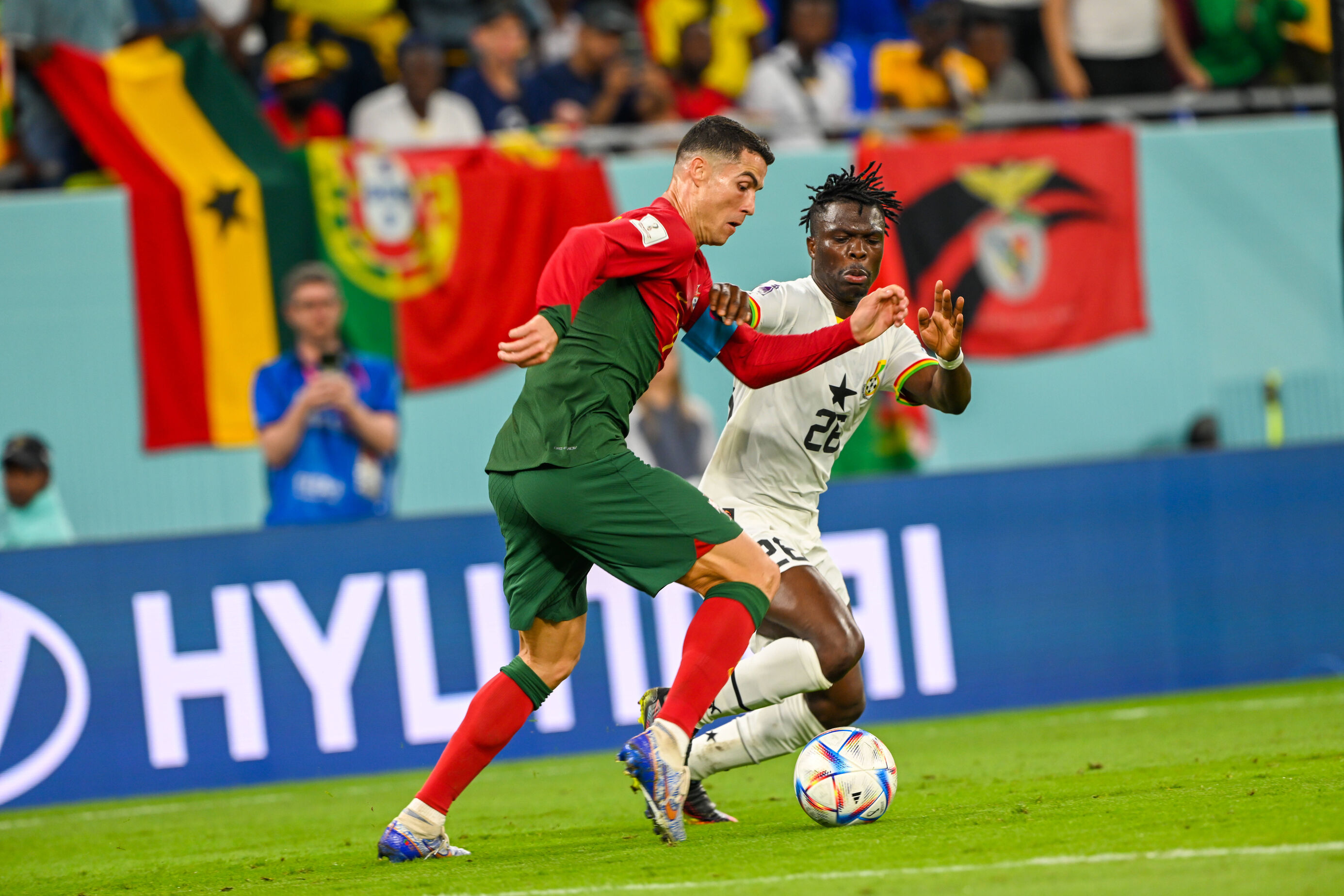

The model projected Portugal as the favourite, but with a narrower margin. Instead of Ghana’s 3-2 defeat, Nigeria were projected to lose narrowly or even grind out a draw depending on defensive organisation.
Simulated results averaged around Portugal 2-1 Nigeria, though in several simulations the Super Eagles held the European giants to a 1-1 draw.
Nigeria vs South Korea: A winnable game
The second group match would likely have been Nigeria’s best opportunity to secure three points.
In the real tournament, Ghana edged a chaotic encounter against South Korea 3-2 thanks to a brace from Mohammed Kudus.
South Korea, led by their talisman Son Heung-min, were known for their ability deliver on the counterattack, but Nigeria’s athleticism and physicality could have matched them well.
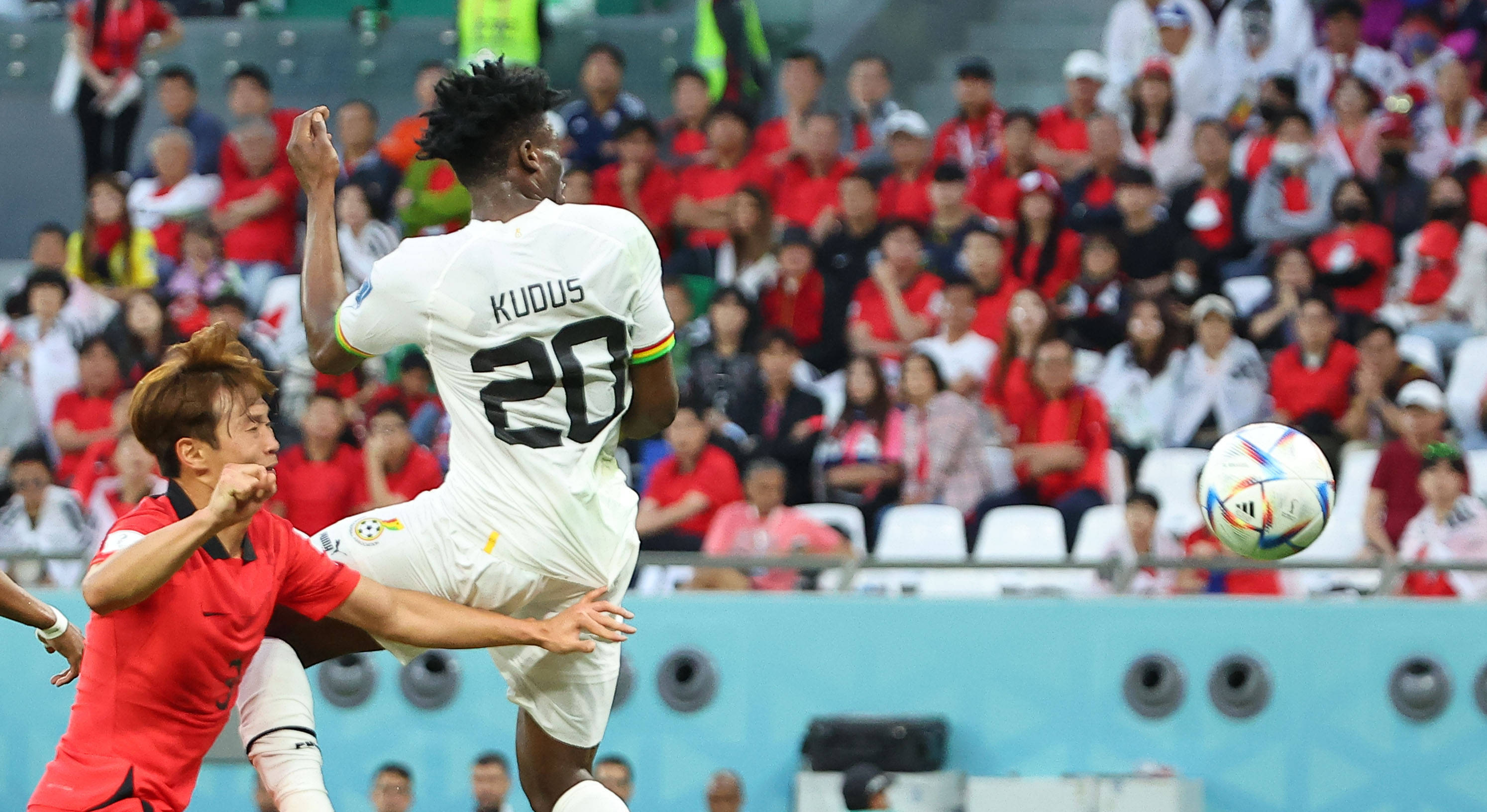

The simulation suggested Nigeria’s midfield strength and attacking options might have given them the edge.
With the pace of players like Samuel Chukwueze and Moses Simon supporting Osimhen, Nigeria’s ability to exploit space behind Korea’s high defensive line could have been decisive.
Across thousands of simulated outcomes, Nigeria were slightly favoured, with the most common scoreline being Nigeria 2-1 South Korea.
That result would have placed the Super Eagles firmly in contention for qualification heading into the final group match.
Nigeria vs Uruguay: A decisive battle
Nigeria’s final group-stage opponent would have been the experienced Uruguay side featuring stars like Luis Suárez, Darwin Núñez and Federico Valverde.
Ghana fell 2-0 to Uruguay in their last group match, a result that eliminated the Black Stars from the competition.
For Nigeria, the clash would likely have been a physical and tactical battle.
Uruguay’s experience at the highest level and defensive resilience would have posed a serious challenge for the Super Eagles. Still, Nigeria’s youthful squad and pace could have stretched the South Americans.
The supercomputer simulations projected a tight encounter, with Uruguay narrowly favoured due to their tournament pedigree.
The most common outcomes were 1-1 draws or 2-1 victories for Uruguay, depending largely on defensive errors and clinical finishing.
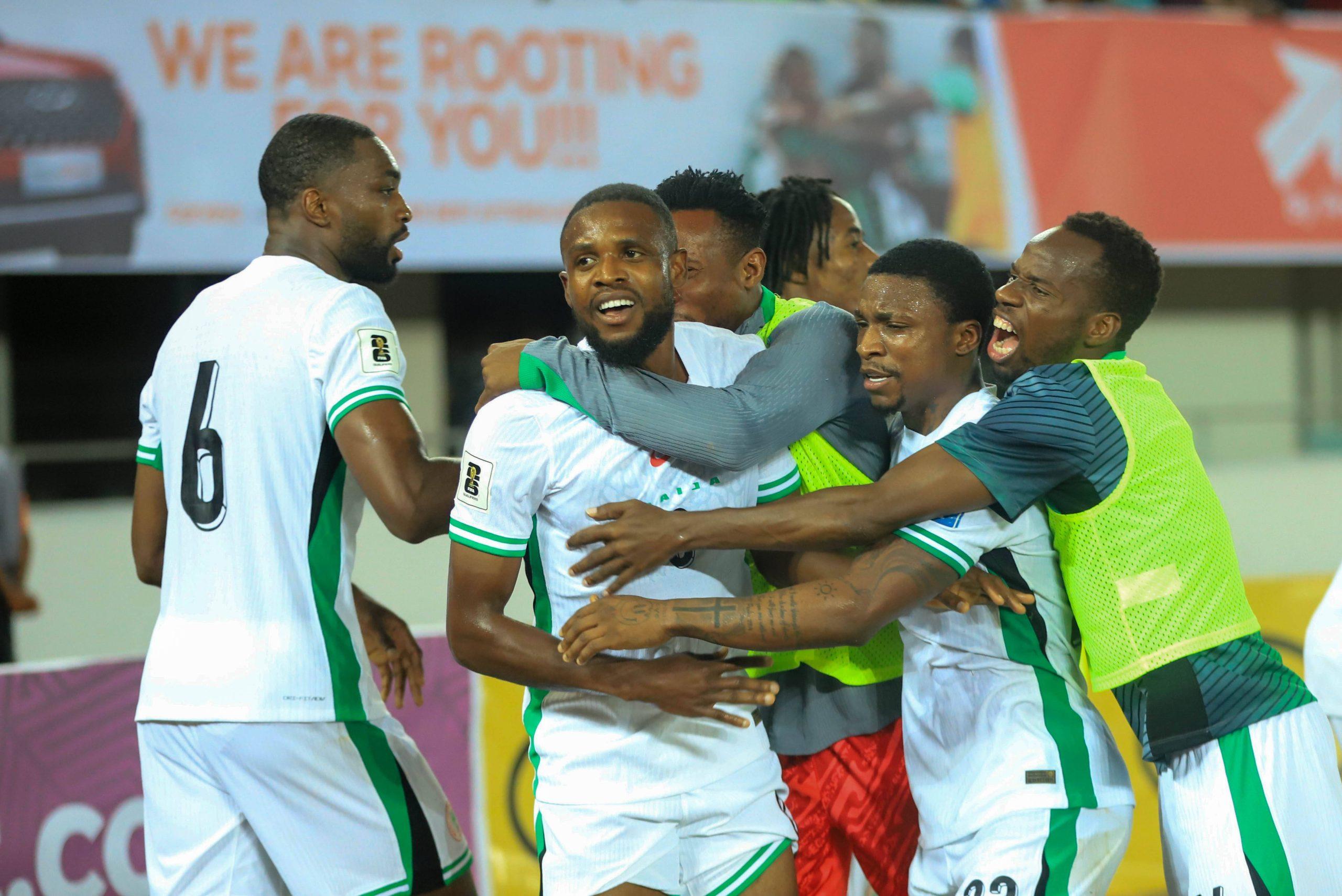

Could Nigeria have reached the knockout stage?
When the simulated results were combined across the group stage, Nigeria finished with an average of four points; typically, a win, a draw, and a defeat.
Interestingly, that tally would have placed them right in the race for second place in Group H. In the real tournament, Portugal topped the group with six points, while South Korea surprisingly advanced in second place with four points on goal difference after beating Portugal in the final match.
The supercomputer suggests Nigeria’s fate would likely have been decided on goal difference or head-to-head results, meaning qualification was genuinely within reach.
In around 42% of the simulations, Nigeria advanced to the round of 16.
What Nigeria might have done differently
One key factor the model considered was Nigeria’s attacking firepower. At the time, the Super Eagles possessed one of Africa’s most exciting forward lines, led by Osimhen, who was already establishing himself as one of Europe’s most lethal strikers with Napoli in the Italian Serie A.

Combined with creative midfield options and experienced defenders such as William Troost-Ekong, Nigeria arguably had the squad depth to trouble several teams in the group.
The team’s traditional strength – speed, athleticism, and counter-attacking football, might also have been well-suited to tournament football.
However, defensive organisation and consistency remained potential weaknesses, which the simulation suggested could have cost them crucial points.
A missed opportunity for the Super Eagles
Ultimately, Nigeria’s absence from Qatar remains a reminder of how small margins can shape football history.
The playoff defeat to Ghana denied millions of Nigerian fans the chance to see their team compete on the biggest stage, while also robbing the tournament of one of Africa’s most entertaining sides.
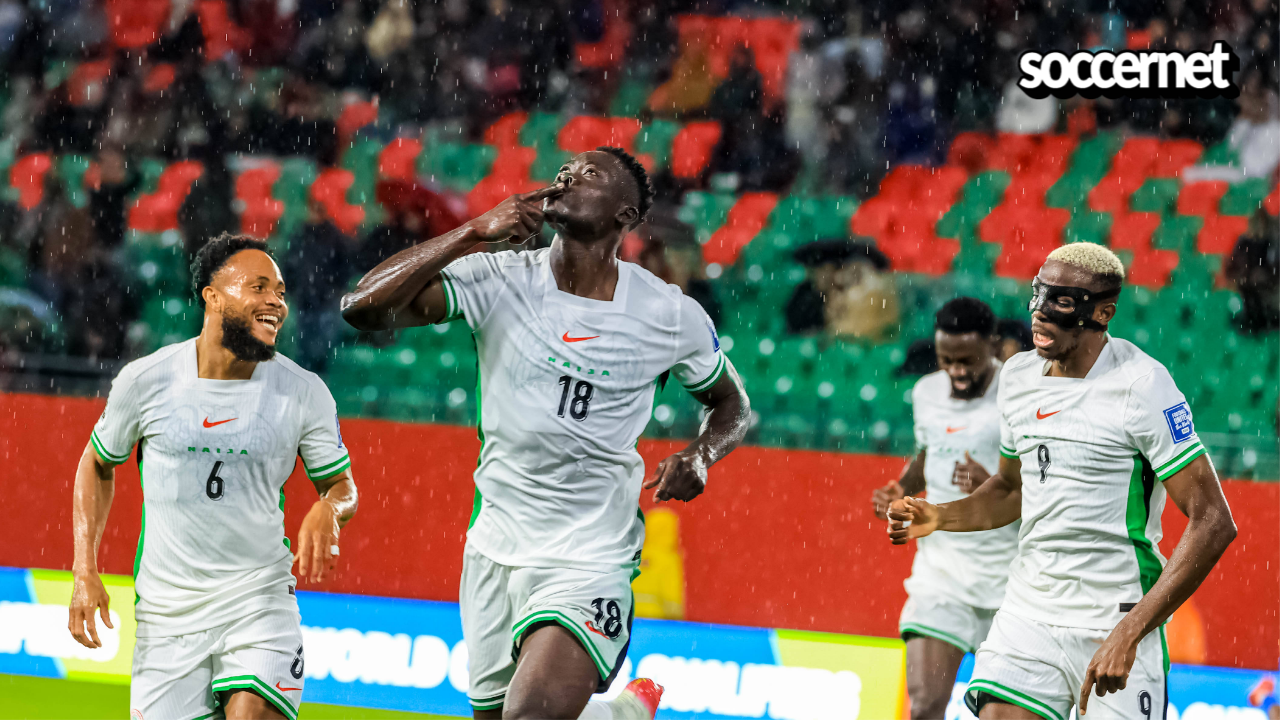

The supercomputer analysis does not guarantee what would have happened, but it strongly indicates that Nigeria could have been competitive, and possibly even progressed, from Group H.
Tiny margins ultimately cost Nigeria another World Cup spot again under Eric Chelle, and the hopes of a golden generation bank on the 2030 Mundial.


