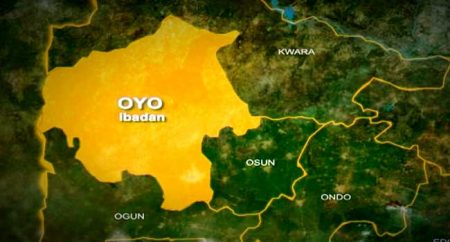



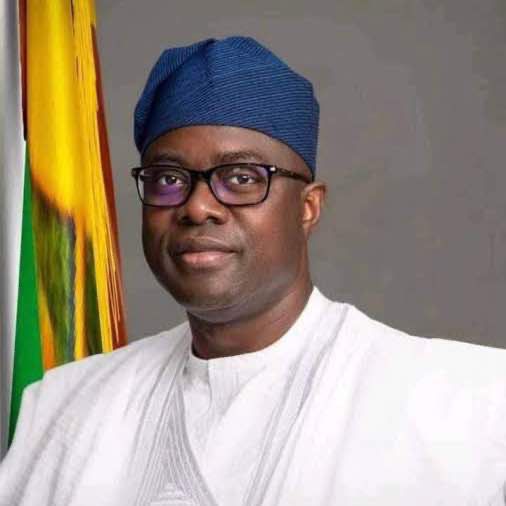


Governor Seyi Makinde on Wednesday said his administration had put in place policies, infrastructure and economic enablers that would position Oyo State as the tourism hub of South-West Nigeria and one of the country’s leading tourism destinations.
Makinde stated this at the International Tourism Summit Oyo State 2026 held at the International Conference Centre, University of Ibadan.
In a statement issued by his Special Adviser on Media, Sulaimon Olanrewaju, the governor said key infrastructure projects connecting towns and communities across the state, improved security, and efforts to revitalise tourist attractions would significantly boost tourism activities in the coming years.
Speaking at the summit themed, “From Groundwork to Governance: Building Tourism That Endures,” Makinde said continuity of policies and ideas remained critical to sustaining long-term investment in tourism development.
“Some of you here were part of the tour of the Oke Ogun Zone. I hope you can now see why Oyo is set to become the tourism capital of South-West Nigeria in the coming years,” he said.
Makinde highlighted ongoing road projects across the state, noting that improved connectivity would support tourism and economic growth.
“I usually boast to people that from the train station in Moniya, you can drive at least 180 kilometres on state roads with no single pothole,” he added.
The governor acknowledged concerns often raised by investors about policy continuity after changes in government, stressing that his administration was focused on building enduring systems rather than projects tied to personalities.
“When investors consider opportunities within our environment, there’s always an underlying question: what happens after this administration? Will policies continue? Will agreements be honoured?” he said.
According to him, the administration had prioritised institutionalising policies to ensure continuity beyond political transitions.
He cited the ongoing 110-kilometre Circular Road project, which was first conceived in the early 2000s before construction eventually commenced under his administration, as an example of delayed development caused by lack of continuity.
“Leadership changes, but systems endure. So, our focus has been deliberate. For this tourism sector, we’re not just initiating projects, we’re building structures that can sustain them,” Makinde stated.
He added that the government had established a 25-year tourism master plan committee and development frameworks for tourism assets such as Eleyele Lake.
The governor also disclosed that the state had signed a 15-year concession agreement with SystemSpecs for the management of Bower’s Tower.
Addressing investors at the summit, Makinde said Oyo offered a stable framework for long-term investment.
“It means that when you engage with Oyo, you are engaging with a system where decisions are guided by frameworks, engagement is coordinated across government, and projects are anchored in long-term plans,” he said.
Earlier, former Ekiti State governor, Kayode Fayemi, commended Makinde for infrastructure development across the state and for promoting tourism and regional economic integration.
Fayemi urged the governor to sustain continuity in governance, stressing that tourism must be institutionalised to survive beyond individual administrations.
“For tourism to be sustained and developed, it must be institutionalised rather than personalised,” he said.
He also advocated the establishment of a South-West Tourism Circuit that would connect tourist attractions across the region.
Presenting the state’s 25-Year Tourism Master Plan Framework, Kola Lawal said the initiative was aimed at attracting investment and promoting Oyo’s cultural and heritage assets.
Filmmaker Kunle Afolayan and Managing Director of Whatadeal Africa, Obafela Bank-Olemoh, also commended the government for improving road infrastructure to support tourism development.
The Commissioner for Culture and Tourism, Wasiu Olatubosun, said the tourism framework being developed by the state was designed to ensure long-term growth, coordination and consistency in policy implementation.