

• Labour tasks Sanwo-Olu on good roads
Stakeholders, including the Nigeria Labour Congress (NLC), Lagos State Council, Lagos State Transport Management Authority (LASTMA) and the Federal Road Safety Corps (FRSC), have charted a path to a sustainable transport sector in the state.
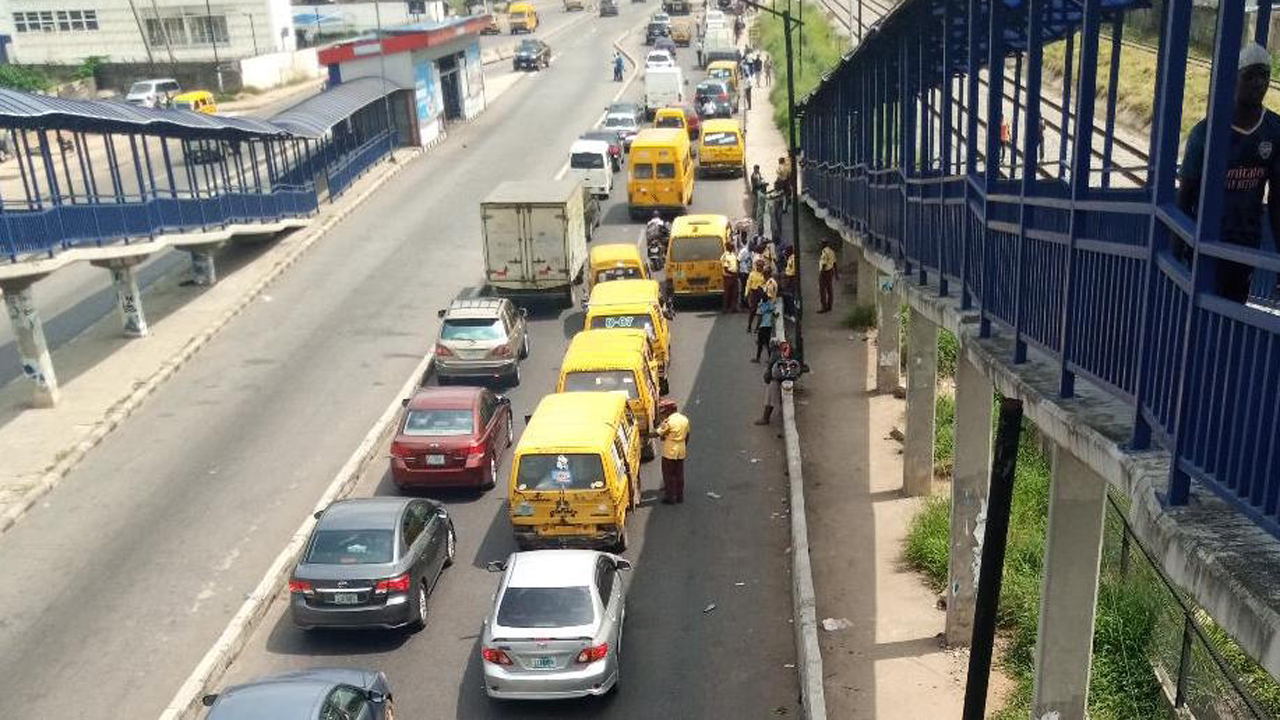
This followed complaints by workers about spending a significant portion of their salaries on daily transportation due to bad roads and inadequate traffic management.
They, however, proposed practical and people-centred interventions for a safer and greener transportation system in Lagos State.
The stakeholders spoke during a transportation summit organised by the NLC Lagos State Council in collaboration with affiliate unions in the transportation and logistics sector, designed to foster partnership among the government, employers, and employees, with a focus on delivering a sustainable transport sector that addresses the challenges and promotes inclusive stakeholders’ engagement in the state’s transport system.
Chairperson of the NLC Lagos State Council, Agnes Sessi, tasked Lagos State Governor, Babajide Sanwo-Olu, on more investment in road management, completion, and optimisation of the rail system, stating that as rail lines expand, the government must prioritise affordability, security, and strict adherence to schedules.
She said that the NLC would not relent until transportation becomes an enabler of development and not a burden on the lives of residents.
According to her, bad roads must be fixed promptly, and traffic officers must be trained and deployed in a way that genuinely eases congestion.
Speaking on the theme “Addressing the Challenges of Transporters and Commuters in Lagos State,” Lagos State Commissioner of Police (CP), Moshood Jimoh, lamented that traffic congestion chokes the roads, leading to lost productivity and heightened stress.
The CP, who was represented by Assistant Commissioner of Police, State Intelligence Department, Lagos State Police Command, Joseph Jaiyeoba, said that safety concerns from reckless driving to criminal activities on the highways threaten lives and livelihoods.
He, therefore, urged transporters to imbibe the characteristics of discipline and responsibility for a better transportation system.
Also, Sector Commandant of the FRSC, Lagos Command, Kehinde Oseni, who was represented by the state’s Chief Road Commandant, Olaseinde Egbontan, said that the country records about 60,000 deaths yearly, even as he stated that work-related crashes account for the highest number of deaths.
He listed the human element as a major factor accountable for the number of deaths recorded yearly.
For a better transportation system in Lagos, Oseni also called for discipline and responsibility on the part of transporters, highlighting why inefficiency persists despite the improvement culture by officials.
Keynote Speaker and Chief Executive Officer of Widescope International Logistics, Dr Olusegun Musa, highlighted challenges of infrastructure deficit, regulatory and enforcement issues, safety and security, among others, denying the state of efficient gains of transportation.
Musa, who was represented by Training Director, Global Transport Policy, Olusegun Awe-Obe, called for more opportunities for a viable state transport sector.