





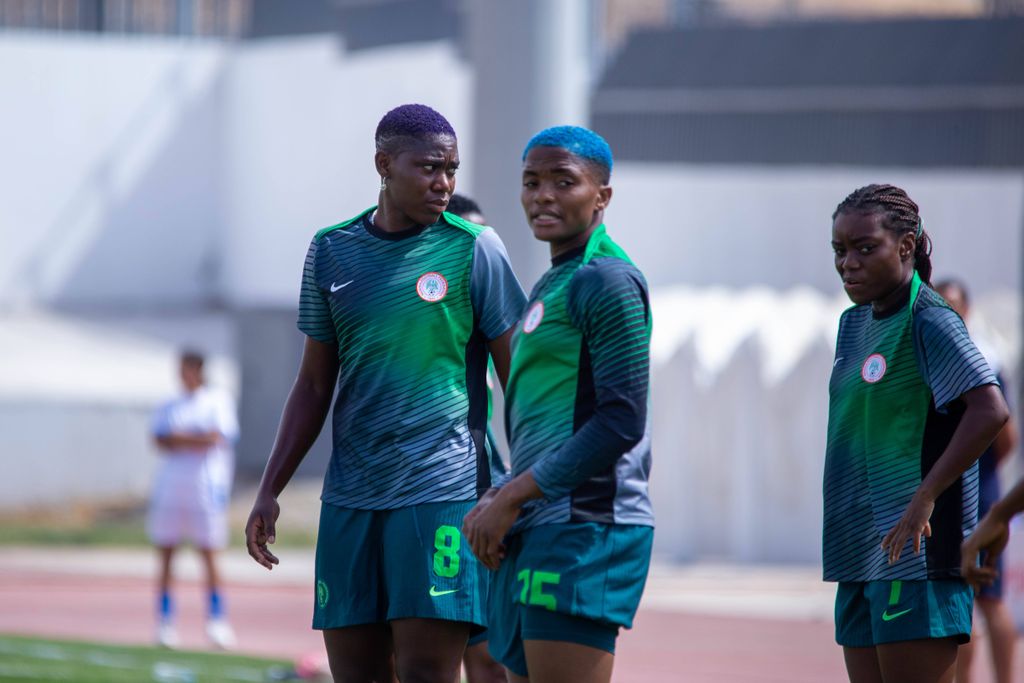
Nigeria’s Super Falcons know the teams standing between them and another continental title after the draw for the 2026 Women’s Africa Cup of Nations, Soccernet.ng reports.
The competition, organised by the Confederation of African Football, will take place in Morocco from July 25 to August 16.
As defending champions, Nigeria go into the tournament as one of the leading contenders. They have been placed in Group C alongside Zambia, Egypt and Malawi, three sides with very different recent stories.
Nigeria’s last international engagements came in early March against Cameroon in Yaoundé. The Falcons lost the first game 1-0 but responded strongly to win the second 3-1, with goals from Esther Okoronkwo, Rinsola Babajide and Michelle Alozie. Those matches offered a glimpse of both their strengths and areas to improve.

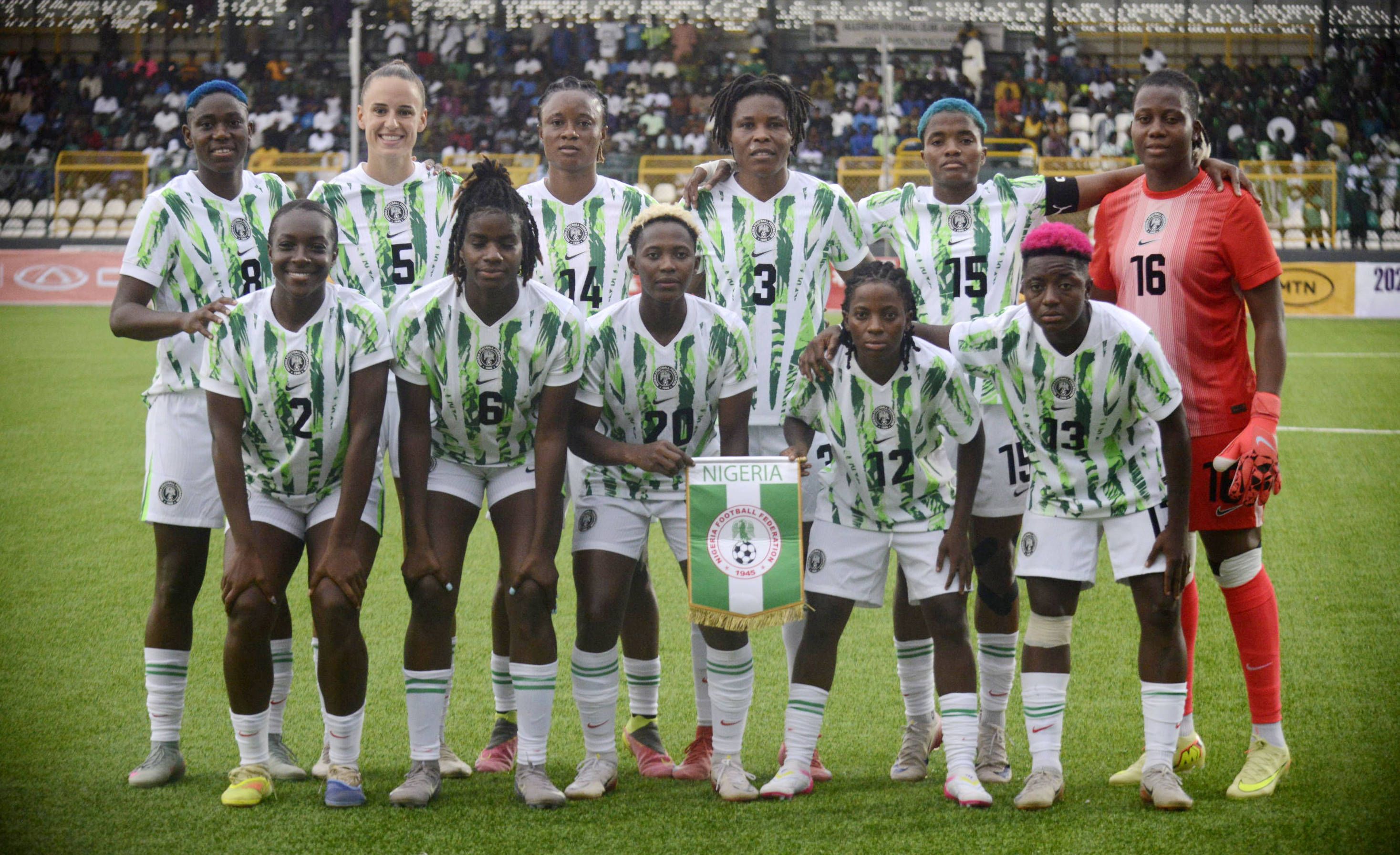
However, since then, momentum has been lost. A planned April double-header against Cape Verde in Ikenne was cancelled at short notice after their opponents withdrew. That left the Super Falcons without a single match in April, a key preparation window ahead of a major tournament.
While Nigeria have been idle, their Group C rivals have been busy building rhythm.
Nigeria’s rivals stay busy with mixed results and heavy tests
Zambia have arguably had the most demanding schedule. The Copper Queens travelled to Brazil for the FIFA Series, where they are set to face some of the world’s strongest sides. On April 11, they were beaten 4-0 by Canada, a result that revealed the gap at the very top level, but also provided valuable experience.

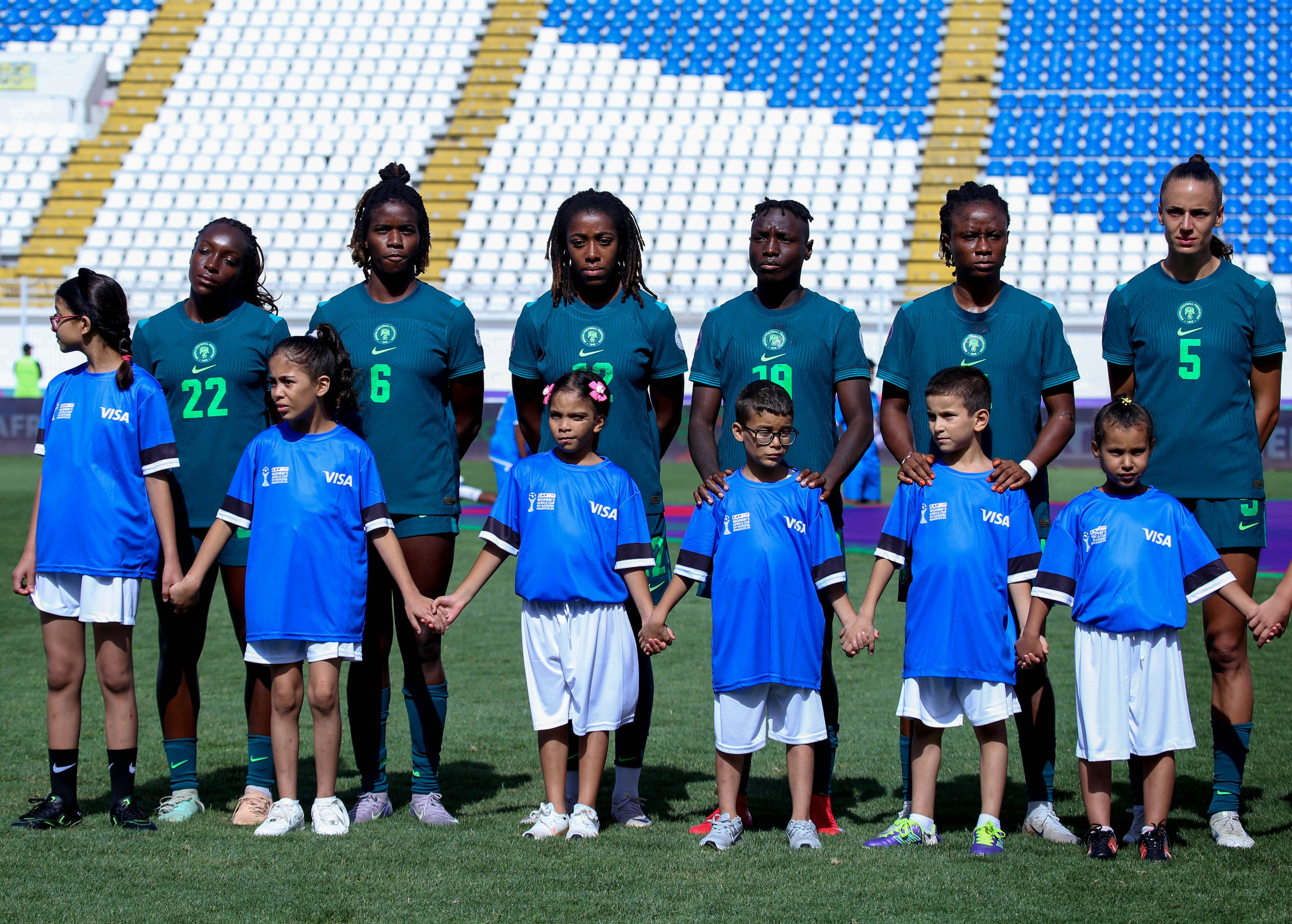
Earlier in their preparations, Zambia showed their attacking strength with a 3-1 win over Zimbabwe on March 1. Yet, they have also been inconsistent, suffering a 1-0 defeat to Namibia on February 27. More fixtures have been lined up, including games against Brazil and South Korea this week, meaning Zambia will arrive at WAFCON battle-tested despite some less-than-positive results.
Egypt have struggled for form in recent weeks. They lost 3-2 to Algeria on March 2, having already been beaten 3-0 by the same opponents on February 28. Those back-to-back defeats exposed defensive weaknesses, particularly against quick attacking sides.
Still, Egypt are continuing their preparations with a double-header against Saudi Arabia scheduled for mid-April. These matches could help them rebuild confidence and tighten their structure before facing stronger opposition in Morocco.
Malawi have had a packed run of fixtures with varied results. The Scorchers showed their attacking firepower in February with an 8-1 victory over Lesotho on February 21, followed by a narrow 1-0 win against Angola on February 24.
However, their limitations have also been exposed against stronger teams. They lost 2-0 to South Africa on February 18 and were heavily beaten 5-0 by Australia on April 11 during the FIFA Series in Nairobi. These results suggest a side that can dominate weaker opponents but struggles when facing elite competition.

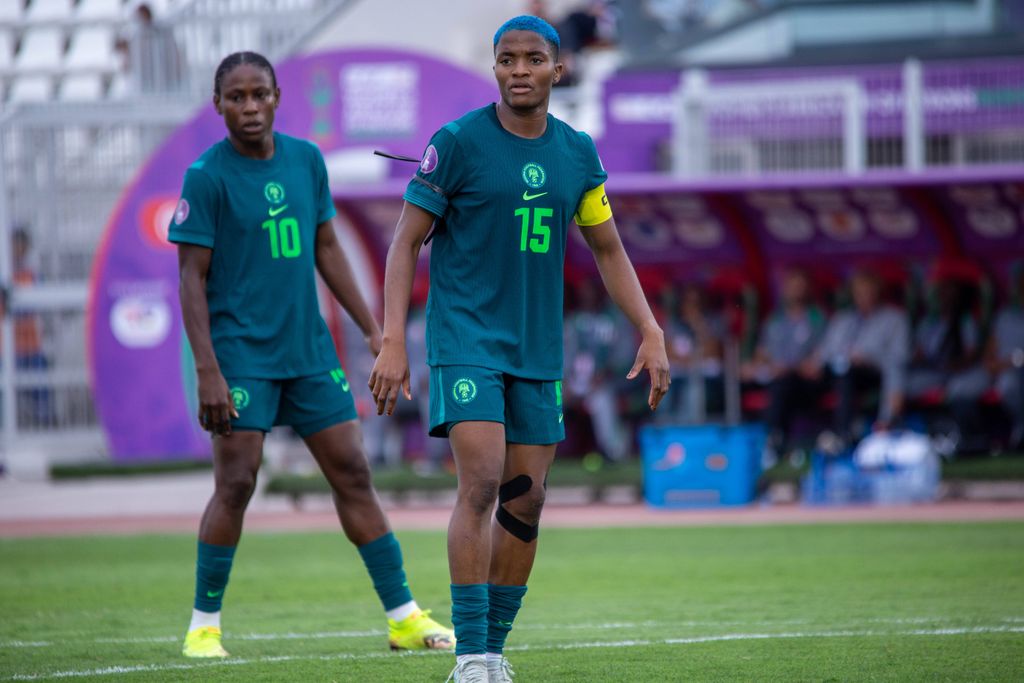
All three teams have therefore had recent match practice, something Nigeria currently lack. That difference could matter when the tournament begins, especially in the early group games where sharpness is key.
This year’s WAFCON will determine Africa’s representatives at the 2027 FIFA Women’s World Cup in Brazil. The four semi-finalists will qualify automatically, while other teams will still have a pathway through play-offs.
With the tournament expanded to 16 teams, the margin for error is smaller. Only the top two teams in each group are guaranteed a place in the quarter-finals, meaning every point will count.
The challenge for Nigeria’s Super Falcons and head coach Justine Madugu will be how to quickly regain match sharpness, rebuild team chemistry and find consistency after a disrupted schedule. The 10-time African champions must also find a way to deal with opponents who have been tested repeatedly in recent weeks.
Group C may not feature the biggest names on paper, but based on recent activity and results, it promises to be competitive and potentially tricky for even Africa’s most successful side.


