




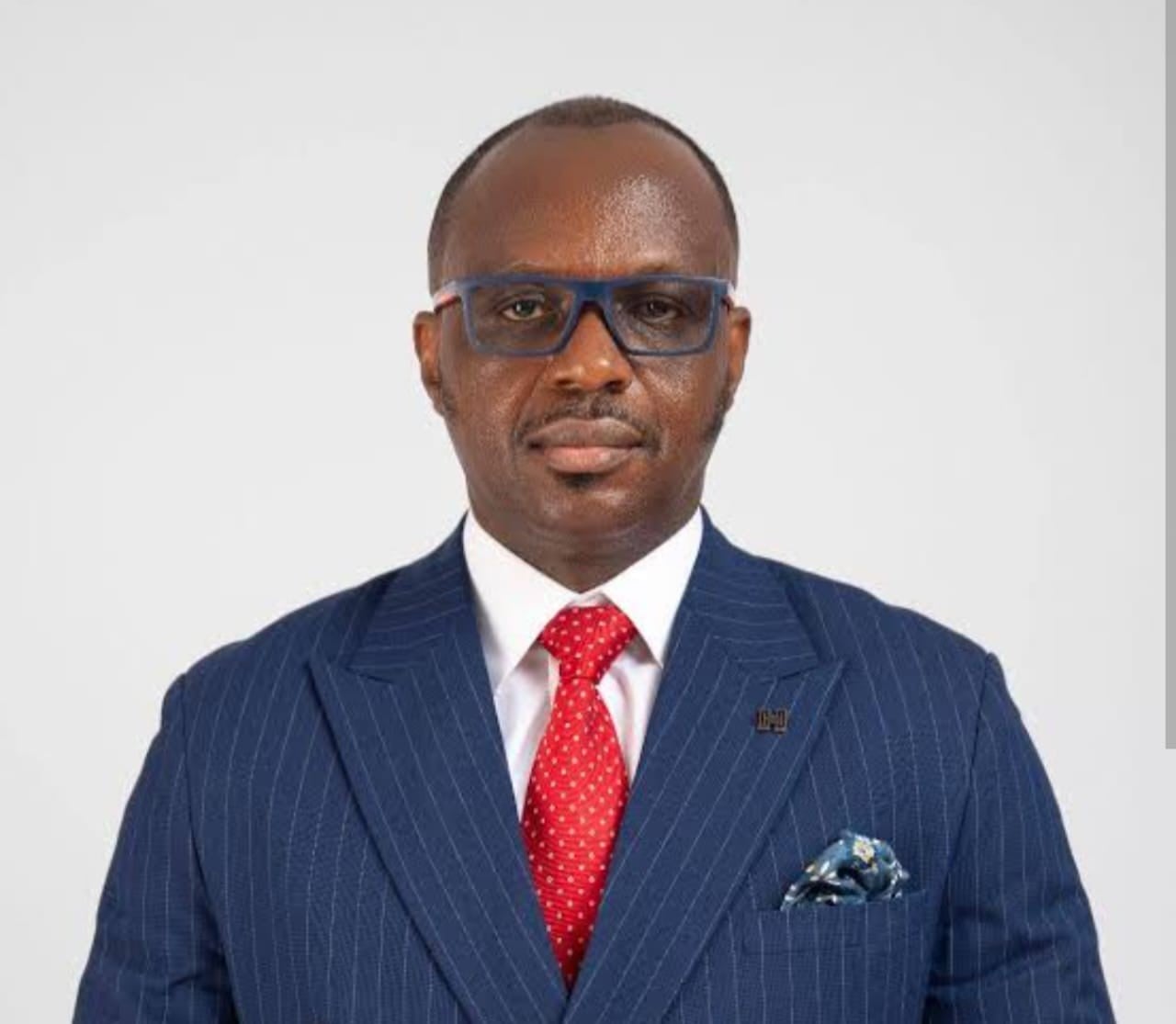
Justice Okamgba
Nigeria’s ability to expand access to advanced surgical procedures will depend on investments in specialist training, hospital infrastructure and healthcare financing, as rising interest in robot-assisted surgery creates new opportunities for the country’s medical sector, a urologist and robotic surgeon, Dr Taiwo Alabi, has said.
Alabi, who is also an endourologist and head of the Urology Division at Grandville Medical Centre, Surulere, Lagos, said adopting the technology required more than acquiring sophisticated equipment, citing the high costs of training, maintenance and surgical consumables as major barriers.
He noted that robot-assisted surgery uses robotic systems to translate a surgeon’s movements into precise actions by instruments inside a patient’s body. Alabi stressed that the technology did not mean robots operated independently, explaining that surgeons remained in control of procedures using the systems currently deployed in clinical practice.
“The surgeon remains absolutely in control,” he explained in an interview with Healthwise, describing how a surgeon sits at a console in the operating room and manipulates controls that direct robotic instruments through small incisions in the patient’s body.
He said the systems could improve the precision of surgical movements, while the surgeon remained responsible for decisions about how an operation was performed.
Alabi identified the high cost of acquiring robotic surgical platforms as one of the principal obstacles to wider adoption in Nigeria. Depending on the platform, the initial investment could reach $1m or more, while instruments and other consumables could cost several thousand dollars for each procedure.
He also cited annual maintenance expenses, which he said could be substantial for established platforms, as well as the cost of training surgeons to operate the systems.
Recalling his training at ORSI Academy in Ghent, Belgium, Alabi said the training fee alone was about $15,400. Including accommodation, flights, feeding and other expenses, the total cost exceeded $20,000.
The training focused on prostate surgery, he explained, adding that surgeons seeking additional expertise in kidney surgery and other procedures would incur further costs.
Beyond training, hospitals must provide operating theatres with sufficient space for the equipment, specialised sterilisation systems and other technologies needed to support minimally invasive procedures.
These requirements increase the financial commitment for hospitals considering the technology, particularly in a healthcare system where investment in advanced equipment competes with other demands on limited resources.
Alabi identified affordability as another major constraint, noting that Nigeria’s healthcare financing model relies heavily on out-of-pocket payments. Without broad insurance coverage for such procedures, patients often have to bear substantial costs themselves.
He estimated that robot-assisted surgery could cost patients between $15,000 and $20,000, depending on the hospital, procedure, and other factors, placing it beyond the reach of many Nigerians.
He also pointed to limited public healthcare spending and low household incomes as factors restricting access to advanced medical procedures.
The combination of high equipment costs, training requirements, infrastructure gaps and limited patient purchasing power had contributed to a perception that robotic surgery was impractical in Nigeria, he said. Patients who could afford specialised treatment have often travelled abroad, contributing to medical tourism and the outflow of funds from the country.
However, Alabi said the landscape had begun to change over the past 18 to 24 months, as new manufacturers and alternative platforms created more options for hospitals considering robotic surgery.
He attributed part of the shift to the expiration of key patents associated with Intuitive Surgical’s da Vinci technology, which he said had opened opportunities for manufacturers in countries including India and China to develop competing systems.
Among the alternatives he identified was India’s SSI Mantra platform, alongside several robotic systems developed by Chinese manufacturers.
The entry of new manufacturers and the availability of refurbished systems could broaden access to the technology in emerging markets, although hospitals would still need to assess the costs of acquiring, maintaining and operating the equipment.
Alabi described the arrival of the first robotic surgical platform in Nigeria in March 2025 as a milestone. He attributed its introduction to Professor Kingsley Ekwueme of Prostate Clinic, Victoria Island, Lagos, and said the system was a da Vinci platform acquired through an intermediary involved in refurbishing and reselling robotic equipment.
The development marked a shift from a period when Nigerian hospitals had no such platform, according to Alabi, who referenced research published around 2020 by Dr Tunde A. Oyebamiji of the University of Ibadan on the challenges of introducing robotic surgery in the country.
Despite the growing interest, Alabi said wider adoption would depend on addressing the financial and operational barriers that accompany the technology.
He said hospitals would need to invest not only in equipment but also in training, infrastructure and the support systems required to sustain its use. Greater competition among manufacturers could improve access, but the cost of treatment would remain a major consideration for patients and healthcare providers.
For Nigeria, the challenge is to build the capacity to use advanced surgical technology while addressing the affordability constraints that limit access to specialised healthcare.
Alabi’s account points to a broader issue facing the health sector: the arrival of new medical technology does not automatically translate into wider access. Training, infrastructure and sustainable financing will help determine how far robotic surgery can become part of routine clinical practice in Nigeria.
Copyright PUNCH
All rights reserved. This material, and other digital content on this website, may not be reproduced, published, broadcast, rewritten or redistributed in whole or in part without prior express written permission from PUNCH.
Contact: health_wise@punchng.