



Animashaun Salman
Médecins Sans Frontières has raised concerns over worsening malnutrition, recurring disease outbreaks and persistent maternal healthcare challenges in Nigeria, as it unveiled its 2025 Country Activity Report.
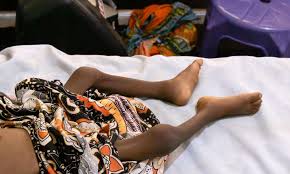
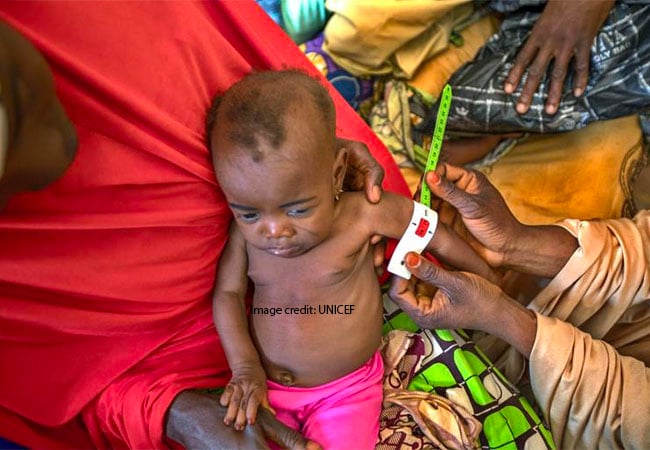
The international medical humanitarian organisation said 2025 recorded its highest number of malnutrition admissions in recent years, with more than 440,000 children treated across its operations in Nigeria.
According to the report released on Wednesday, MSF provided medical care in ten states including Bauchi, Borno, Cross River, Ebonyi, Jigawa, Kano, Katsina, Kebbi, Sokoto and Zamfara, while also establishing a new presence in Kaduna.
MSF further responded to emergencies in several states, including Niger and Adamawa.
The organisation said it treated 353,989 children for severe acute malnutrition through outpatient programmes, while 90,723 children with complications were admitted into inpatient stabilisation centres.
MSF Country Representative for Nigeria, Dr Ahmed Aldikhari, described the figures as alarming.
“The 2025 data tells a harrowing story. With over 440,000 children put on treatment, it is the year with highest admissions for malnutrition we’ve had in Nigeria in recent years,” he said.
He noted that malnutrition remained both a cause and consequence of diseases such as measles, malaria and diphtheria, particularly in vulnerable communities where healthcare is delayed or inaccessible.
The report blamed conflict, insecurity, displacement, inflation, flooding, drought and rising food prices for worsening access to food and healthcare, adding that humanitarian funding cuts were also increasing pressure on overstretched services.
On disease outbreaks, MSF said it treated 341,239 malaria patients, 38,753 children for measles, 6,123 people for diphtheria and 985 meningitis patients in 2025.
“Many of these illnesses are preventable,” Aldikhari said, stressing the need for stronger vaccination coverage, improved water and sanitation systems, disease surveillance and timely treatment.
The organisation also expressed concern over Nigeria’s high maternal and newborn mortality rates.
It said in 2025, MSF assisted 33,590 deliveries, conducted 119,469 antenatal consultations and carried out 224 fistula surgeries.
According to the report, women in rural and conflict-affected communities continue to face barriers such as long travel distances, insecurity, transport difficulties, overstretched hospitals, cost of care and weak referral systems.
“Timely access to emergency obstetric and newborn care can save lives,” Aldikhari said, calling for stronger investment in primary healthcare, referral systems, staffing, equipment and emergency maternal services, especially in underserved areas.
Nigeria continues to face one of the world’s highest burdens of severe acute malnutrition and maternal mortality, particularly in conflict-affected and underserved northern states.
Humanitarian organisations have repeatedly warned that insecurity, economic hardship, displacement, flooding and weak healthcare systems are worsening access to nutrition and medical services for millions of vulnerable residents.
Copyright PUNCH
All rights reserved. This material, and other digital content on this website, may not be reproduced, published, broadcast, rewritten or redistributed in whole or in part without prior express written permission from PUNCH.
Contact: [email protected]