

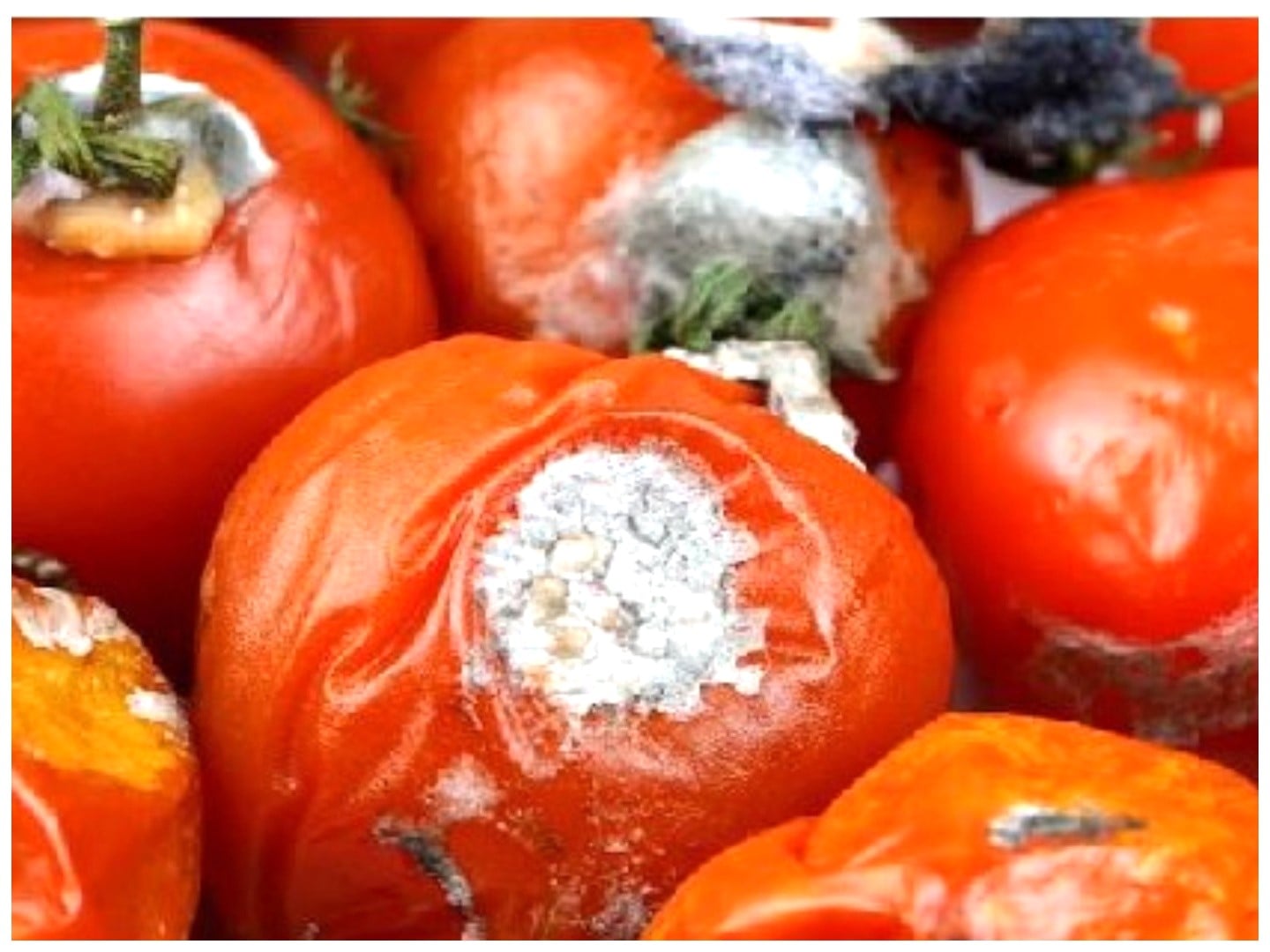
As unsafe food claims 53,000 lives annually in the country, Nigerians have urged the Federal and state governments to make healthy and safe food more affordable amid worsening economic hardship.
Nigerians, who spoke with PUNCH Healthwise, lamented that rising food prices have forced them to make difficult choices, often opting for cheaper food items that are of questionable quality.
They noted that the high cost of nutritious foods, such as fruits, vegetables, fish, and other protein sources, has made it increasingly difficult for families to maintain healthy diets.
They made the call after the Federal Government revealed that unsafe food causes more than 53,000 deaths and nearly 50 million illnesses annually in Nigeria.
Minister of State for Health and Social Welfare, Dr. Iziaq Salako, said Nigeria loses an estimated 4.26 million years of healthy life annually to foodborne diseases through illness, disability, and premature death.
“Nigeria records nearly 50 million foodborne illnesses every year, and unsafe food causes more than 53,000 deaths annually in our country. Together, these illnesses and deaths result in a staggering 4.26 million years of healthy life lost to illness, disability or early death.
“Most of this burden falls heavily on children under five, who account for more than 80 per cent of all foodborne disease burden in Nigeria. The true cost of unsafe food in Nigeria is not only measured in sickness and death, but also in the lost cognitive, physical, and developmental potential of our children,” Salako said during a ministerial press briefing to commemorate the 2026 World Food Safety Day.
Nigerians demand healthy diets
PUNCH Healthwise reports that the rising costs of fuel, cooking gas, transportation, food, house rents, and other basic amenities have plunged many Nigerians into severe economic hardship.
The worsening economic situation has pushed many households to buy cheaper, unsafe foods such as rotten tomatoes and peppers, adulterated palm oil, dead chicken, fish head, forgo meat, and struggle to meet basic dietary needs.
Many Nigerians who spoke with PUNCH Healthwise urged the government to implement policies that make safe, nutritious foods affordable for all citizens.
A hairstylist in the Berger area of Lagos, Kemi Sulaymon, said buying fresh vegetables has gradually become a luxury.
According to her, the prices of fresh tomatoes, peppers, and other food items have risen beyond the reach of many low-income households.
“Now, I buy broken peppers because they are cheaper. So I opt for those instead of the whole ones, which are healthier and easier to clean,” she said.
She urged the FG to address rising food costs and make healthy food more affordable.
“The government should create a good road network for easy transportation of food to the city. Farmers or potential farmers should be provided with advanced farming tools to speed up production and ensure the availability of affordable, healthy foods,” the hairstylist said.
Also, a 34-year-old pedicurist, Adenike Oreniyi, said she now prioritises quantity over quality because of economic hardship.
She noted that while consumers understand the health risks, financial realities often leave them with limited options.
“Yes, I have purchased food items that were less nutritious due to affordability. I know the nutritional quality after tasting them, but I have to work with my budget.
“The government should lower food taxes, support farming, and give farmers subsidised access to products in ensuring Nigerians can afford healthy foods,” she told PUNCH Healthwise.
Also, an entrepreneur in Ibadan, Mariam Temitope, said she frequently visits markets late in the day when sellers offer heavily discounted vegetables nearing spoilage.
She called on the FG to support farmers and reduce food inflation.
“I would like the Federal Government to take actions such as reducing inflation, supporting local farmers with subsidies, improving security in farming communities, lowering transportation costs, and implementing policies that will make safe and nutritious food more affordable and accessible to Nigerians,” she said.
In Abuja, 29-year-old security guard, Daniel Ikenga, said his monthly income no longer covers healthy food choices.
“Many of us now look for the cheapest options available. Sometimes the tomatoes and peppers we buy are already soft or beginning to spoil, but they are what we can afford,” he said.
The security guard expressed concern about the long-term health implications.
“We know eating unsafe food can cause sickness, but we need to fill our stomachs, and survival comes first. Government should make food more affordable and improve support for farmers so prices can be reduced,” he said.
Also, a 38-year-old widow, Amina Atanda, said the problem is visible every day at the market in Ogun.
She urged the government to prioritise food affordability and safety.
“We shouldn’t have to choose between hunger and food that may affect our health. We need affordable, healthy food for everyone,” she said.
The World Health Organisation says unsafe food containing harmful bacteria, viruses, parasites, or chemical substances causes more than 200 diseases, ranging from diarrhoea to cancers.
It also states that unsafe food creates a vicious cycle of disease and malnutrition, particularly affecting infants, young children, the elderly, and the sick.
Unsafe food leading cause of illness, death – Experts
Speaking exclusively to PUNCH Healthwise on the devastating fatalities from unsafe food, public health and food safety experts called for policies aimed at making safe, nutritious food more affordable and accessible.

According to them, tackling food insecurity and strengthening food safety systems are critical to reducing preventable illnesses and deaths linked to contaminated food.
A Professor of Food Science and Technology at the Bells University of Technology, Ota, Ogun State, Olugbenga Ogunmoyela, explained that food contamination in Nigeria arises from biological, chemical, and physical hazards occurring at different points along the food chain.
“The most common sources include poor hygiene during food preparation and handling, unsafe water used for cooking and processing, inadequate storage facilities, poor temperature control, contamination during transportation and marketing, and poor sanitation in food environments. New WHO estimates of the food-borne disease burden implicate chemical contamination, such as Lead, Asenic, and methylmercury, most significantly.
He also listed biological contamination from bacteria such as Salmonella, Escherichia coli (E. coli), Campylobacter, and Listeria as a major contributor to unsafe food.
“Chemical contamination can result from pesticide residues, veterinary drug residues, heavy metals, adulterants, and improper use of food additives. In addition, aflatoxins in grains, nuts, and other agricultural commodities continue to pose significant public health risks in Nigeria,” he said.
On the drivers of the foodborne disease illnesses, he said, “Foodborne diarrhoeal diseases, due to consumption of contaminated food and water, remain among the leading causes of illness and death, particularly among children. Other significant concerns include typhoid fever, hepatitis A, and illnesses associated with exposure to foodborne toxins such as aflatoxins, which are linked to liver disease and cancer.”
The food safety expert noted that the informal food sector, including street food vending, contributes to the unsafe food that Nigerians consume.
According to him, millions of Nigerians depend on ready-to-eat street foods and informal food vendors for affordable meals every day.
“However, the sector also faces significant food safety challenges. These include inadequate access to clean water, poor waste management, insufficient food safety training, improper food storage, exposure to environmental contaminants, and limited regulatory oversight. These conditions can increase the risk of food contamination if proper food safety practices are not followed,” he said.
Ogunmoyela, who is also the President of Consumer Advocacy for Food Safety and Nutrition Initiative, however, said the solution was not to discourage informal food businesses but to strengthen food safety education and monitoring systems to improve compliance and protect consumers.
The don noted that several gaps continue to undermine food safety in Nigeria, including weak coordination across the food control system and inadequate food safety awareness among producers and consumers.
Others, he said, are insufficient laboratory and surveillance capacity, limited resources for inspections and enforcement, and poor compliance with food safety standards by some food businesses.
“Other challenges include inadequate cold-chain infrastructure, poor surveillance and traceability systems, weak monitoring of informal markets, and insufficient investment in food safety education and capacity building.
“An influx of sub-standard primary agricultural products, as well as pre-packaged products, also poses another challenge. Addressing these gaps requires a holistic approach by government and civil society, involving all actors in the food supply chain – regulators, industry, academia, civil society, and consumers,” he said.
According to him, a recent research study by CAFSANI, most consumers do not look at food labels for safety or other such considerations. They only look at the price, especially for pre-packaged foods.
“Remember, unsafe food poses a danger to our health. Food safety begins at home, and simple preventive measures can save lives and reduce the burden of foodborne diseases across Nigeria, particularly for the benefit of our children, who are the most at-risk population,” he said.
Also speaking, a Consultant Public Health Physician at the University of Ilorin Teaching Hospital, Kwara State, Dr Mojirola Fasiku, said foodborne diseases contribute significantly to illness and death.

“When people consume contaminated food, they become sick. Some people may recover, but others, especially vulnerable groups such as children under five years of age, may develop severe complications and even die,” she said.
She explained that foodborne diseases are caused by biological contaminants, chemical contaminants, and natural toxins.
The public health experts noted that repeated exposure to contaminated food has long-term health consequences.
“When people experience acute foodborne illness, they may develop symptoms such as diarrhoea and vomiting. However, when exposure becomes prolonged or recurrent, it can result in more serious long-term health consequences.
“When foodborne diseases repeatedly interfere with nutrient absorption, the body’s immune system becomes compromised, increasing vulnerability to other illnesses,” she said.
Fasiku recommended proper hand hygiene, cooking of food, and storage, buying from reputable sellers, among others, as measures Nigerians can take to curb the burden of foodborne illness and deaths.
“People should wash their hands thoroughly with soap and clean water before preparing food and before eating. Food should also be cooked thoroughly, especially meat, poultry, fish, and eggs. Harmful organisms may be present in these foods, but thorough cooking can destroy them and make the food safe for consumption.
“Proper storage is essential. People should also separate raw and cooked foods to prevent cross-contamination. Utensils should be washed properly. It is possible to have safe food, but contaminate it by using dirty utensils.
“Fruits and vegetables should be washed thoroughly before consumption. People should also buy food from reputable sources. Most importantly, people should wash their hands thoroughly and receive proper education on how to prevent food contamination and foodborne diseases,” she said.
Copyright PUNCH
All rights reserved. This material, and other digital content on this website, may not be reproduced, published, broadcast, rewritten or redistributed in whole or in part without prior express written permission from PUNCH.
Contact: [email protected]
