




The Nigeria Football Federation (NFF) oversees the Super Eagles, Super Falcons, youth national teams and domestic football development, Soccernet.ng reports.
Running those programmes requires significant financial resources, making the federation heavily dependent on multiple revenue streams.
The NFF’s finances have come into fresh focus following two major developments. First, the Confederation of African Football (CAF) announced an increase in annual funding for all 54 member associations.
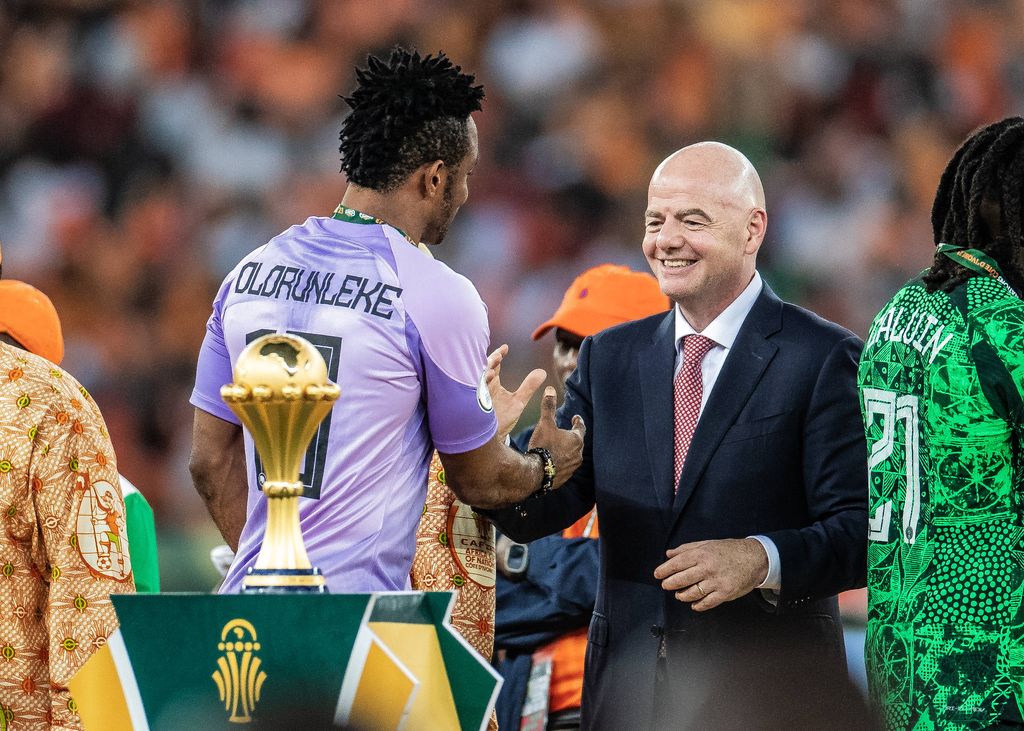
Secondly, FIFA president Gianni Infantino proposed a controversial funding model that promised huge financial rewards for member associations before the plan eventually failed to gain the necessary backing.

Get Our Sports News First – Join Our WhatsApp Channel Now!
While Nigeria stood to benefit significantly if Infantino’s proposal had succeeded, the country will continue operating under FIFA’s existing Forward Programme alongside CAF’s enhanced financial support.
How much money does the NFF get from FIFA?
FIFA remains the NFF’s biggest institutional financial source through the FIFA Forward Programme. Launched to improve football development across all 211 member associations, FIFA Forward 3.0 increased global investment by almost 30% for the 2023-2026 cycle.
Under the current programme, every member association, including Nigeria, can access:
- Up to $1.05 million annually to cover football operational costs. [Tickets for players, coaches, staff, hotel bills, feeding and accommodation].
- Additional funding from a $633 million development pool for approved football projects.
- Up to $1.2 million in extra assistance for member associations identified as needing additional support for travel, accommodation and football equipment.
Unlike operational grants, project funding is not automatically paid. Each federation must submit development proposals to FIFA, which evaluates and approves projects before releasing funds.
Over a standard four-year FIFA cycle, the NFF can therefore receive approximately $4.2 million in operational funding alone, excluding any additional project grants approved by FIFA.

How much money does the NFF get from CAF?
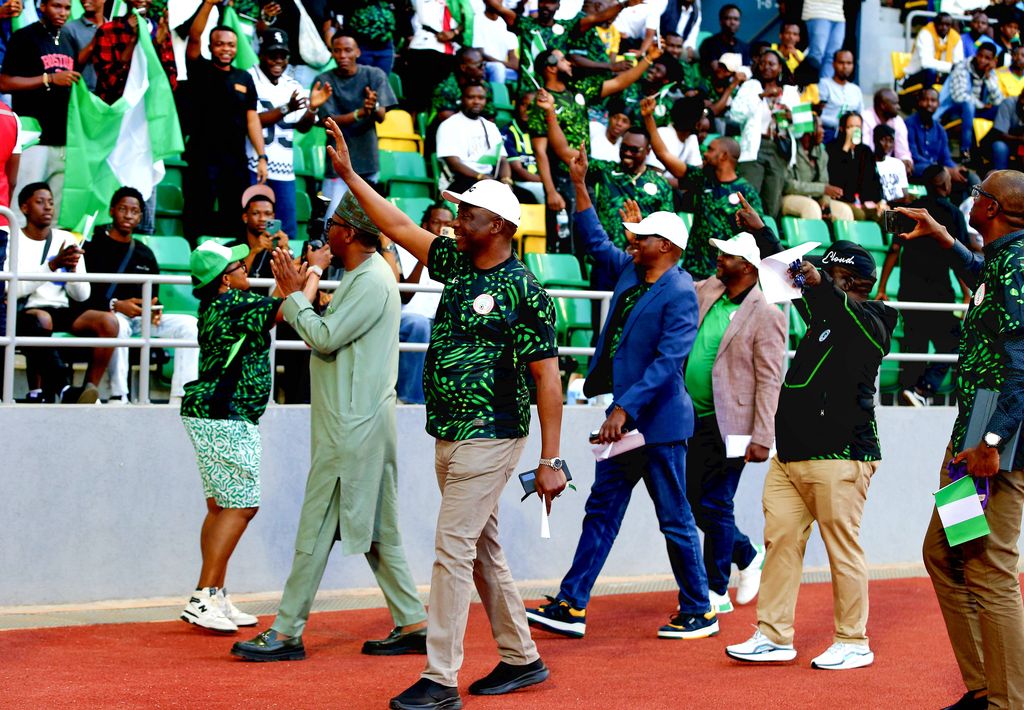
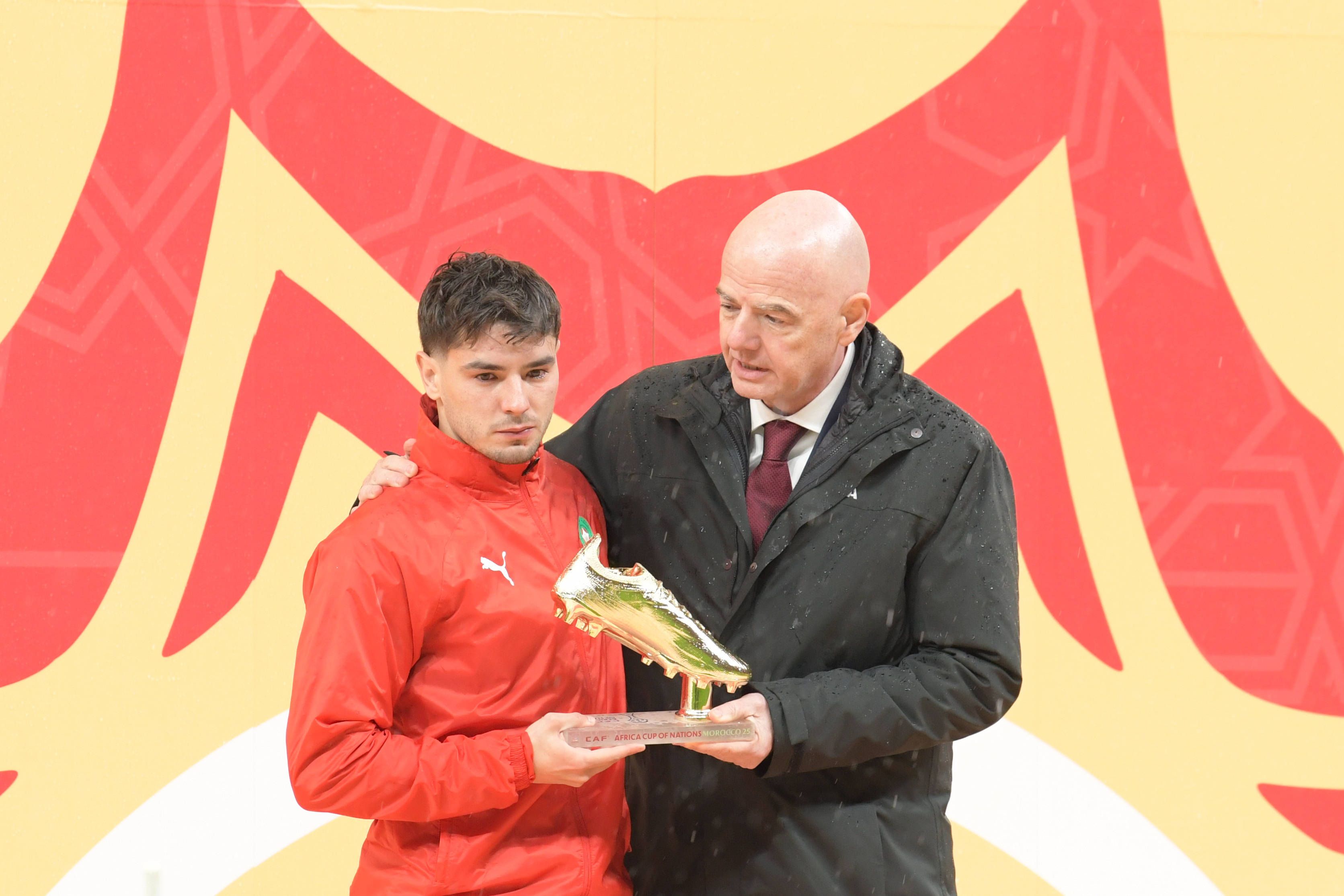
Earlier this year, CAF unveiled one of the biggest financial reforms in African football. CAF president Patrice Motsepe announced that each of CAF’s 54 member associations will now receive $1 million every year, replacing the previous annual allocation of $200,000.
For the NFF, that means:
- $1 million annually from CAF.
- Approximately $4.2 million over a four-year football cycle.
Motsepe explained that the increase was made possible through the restructuring of CAF competitions and a planned $1 billion commercial tender, with the additional funding aimed at strengthening youth football, women’s football, domestic competitions and national teams.
The funding is a fivefold increase on previous allocations and provides financial relief for national associations like Nigeria that operate multiple men’s, women’s and youth teams throughout the year.

Where else does the NFF get its money?
FIFA and CAF funding are only part of the federation’s overall income. The NFF also generates revenue through:
Support from the Federal Government
The Nigerian Federal Government provides public funding and annual allocations to the Nigeria Football Federation through the national budget. These government subventions are typically used to cover administrative costs, operational expenses, and special intervention funds for major international tournaments.
Sponsorships and commercial partnerships
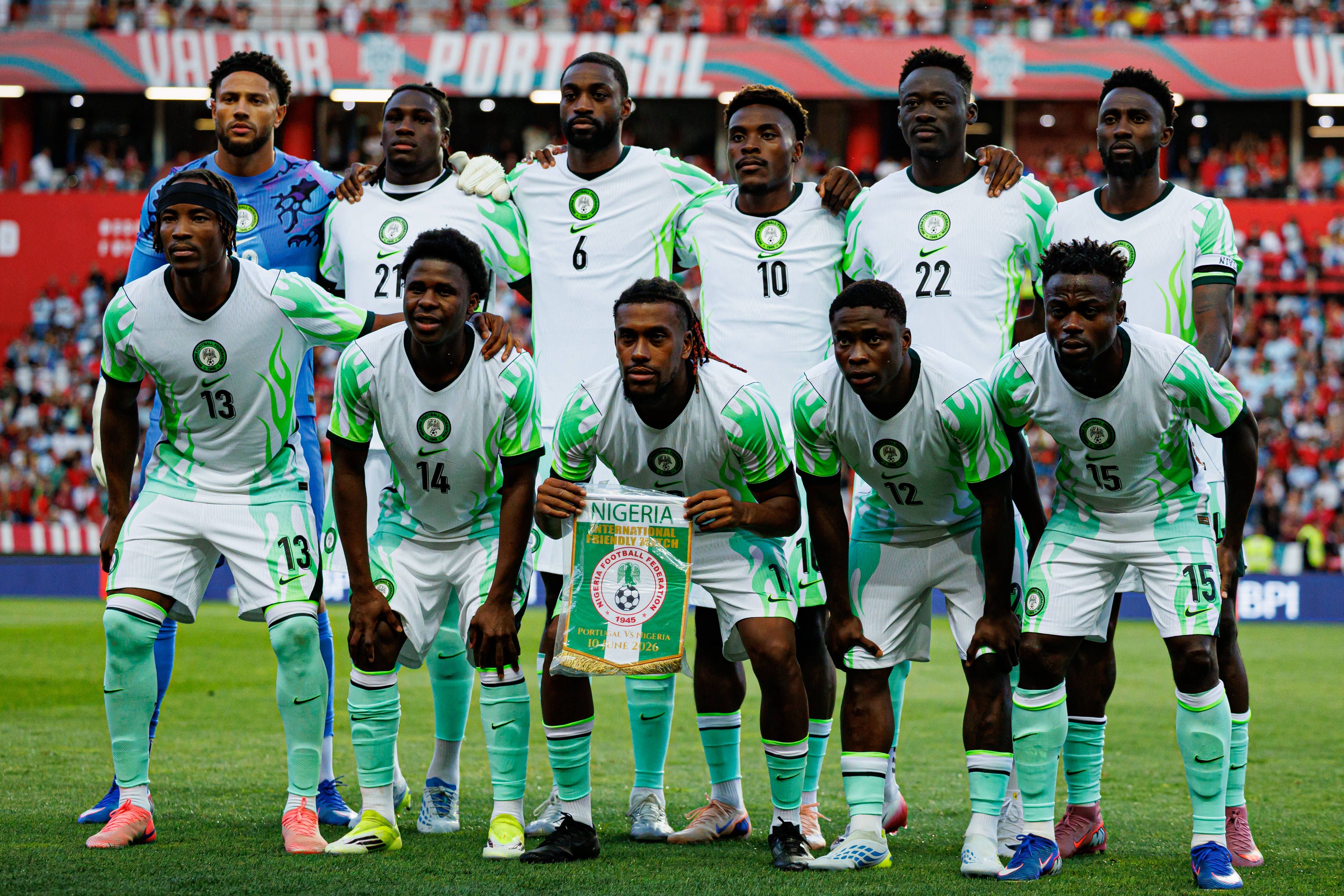
Corporate partners contribute through sponsorship agreements covering the Super Eagles, Super Falcons and federation events. Some of the major brands to have sponsored the Nigerian national football team in the past include:
- Kit Suppliers & Apparel: Nike (official kit supplier since 2015) and Adidas
- Telecommunications: Globacom and Airtel (involved in football promotions/grassroots)
- Food, Beverage & Candy: Coca-Cola (official soft drink partner), Peak Milk (official milk sponsor), and TomTom (official candy sponsor)
- Alcoholic Beverages: STAR Lager, Goldberg, Life Continental, and Guinness
- Financial Services: Aiteo Group, Zenith Bank, and WAPIC Insurance

Competition prize money
The NFF also benefits from prize money earned through participation in competitions such as:
- Africa Cup of Nations
- FIFA World Cup
- CAF Women’s Africa Cup of Nations
- FIFA youth competitions
The deeper Nigeria progresses in these tournaments, the higher the financial returns.
Broadcasting and commercial rights
Although domestic football broadcasting remains an area with significant room for growth in Nigeria, commercial agreements also contribute to the federation’s revenue.

How does the NFF spend its money?
Running Nigerian football involves substantial expenditure across multiple areas. The federation’s major costs include:
Super Eagles and Super Falcons
Preparing senior national teams requires funding for:
- International flights
- Hotels
- Training camps
- Match logistics
- Medical support
- Feeding
Player bonuses and allowances
Winning bonuses, appearance fees and camp allowances account for a significant portion of expenditure during international windows.

Coaches and technical staff
The federation pays salaries for national team coaches, assistants, analysts, medical personnel and technical departments.
Youth national teams
Nigeria, across the women’s and men’s teams, regularly competes in:
- U-17 tournaments
- U-20 competitions
- U-23 events
Funding these teams includes scouting, camps and international travel.
Football development
Grassroots football, referee education, coaching courses and youth development programmes are also funded through federation resources, particularly those supported by FIFA Forward and CAF grants.
Administration
Like every football association, the NFF must also finance its day-to-day operations, including staff salaries, office expenses, governance and regulatory responsibilities.

Why the NFF’s finances matter
Financial stability often determines how effectively national teams prepare for major tournaments.
Issues such as unpaid bonuses, delayed camping arrangements and logistical challenges have become a norm in Nigerian football for over three decades. Increased support from FIFA and CAF should have reduced the recurrence of some of these problems, but prudent financial management remains equally important.
Just a few years ago, Arsenal legend Ian Wright called out the NFF for failing to pay the Super Falcons before the 2023 FIFA Women’s World Cup in Australia.
Pay them!!!!!! @thenff
— Ian Wright (@IanWright0) July 27, 2023
Although Nigeria will not benefit from Infantino’s proposed $40 million package after the plan failed to gain approval, the federation still receives millions of dollars annually from FIFA and CAF.
Combined with government support, sponsorships and competition revenues, those funds provide the financial foundation for Nigerian football.

The bigger challenge now is ensuring those resources are managed efficiently enough to help the Super Eagles, Super Falcons and Nigeria’s next generation compete consistently with the world’s best teams.


