



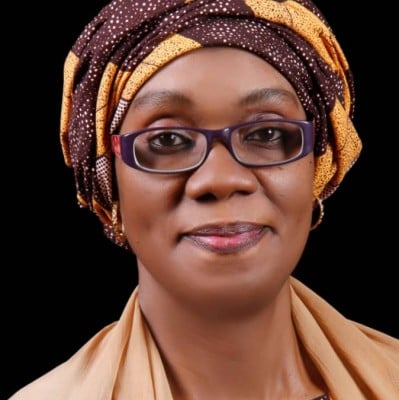
The Serendipity Healthcare Foundation has called on the Federal Government to make Artemisinin-based Combination Therapies more affordable for Nigerians to reduce malaria burden in Nigeria.
The non-governmental organisation warned that high costs of ACTs are limiting access to life-saving malaria treatment, particularly in rural communities.
The Foundation emphasised that improving access to affordable malaria treatment, alongside prevention strategies, remains critical to reducing the disease burden in Nigeria.
The Founder and Chief Executive Officer of the foundation, Samirah Faruk, said many Nigerians in underserved communities were unable to access standard malaria treatment due to a combination of poverty and poor healthcare infrastructure.
She made the call on Tuesday at the PUNCH Media Foundation’s Webinar Series themed ‘Malaria in Nigeria: A Shared Fight, A Collective Solution’ in commemoration of the 2026 World Malaria Day and in alignment with the global ‘United Against Malaria’ agenda.
She noted that the lack of accessible healthcare facilities often forces residents of rural communities to rely on informal drug vendors, a practice that could worsen health outcomes.
“I want to talk about the affordability of the ACTs that are being sold. These ACTs are not affordable to people in rural communities, and the people there end up going to chemists because they don’t have enough primary healthcare centres within their location.
“And the nearest primary healthcare centre is like five kilometres away from where they are,” she said.
She explained that her organisation’s intervention in some Northern communities initially focused on water, sanitation, and hygiene before malaria emerged as a more urgent concern.
Faruk stressed that misconceptions about malaria symptoms and limited access to trained health professionals often lead to inappropriate treatment practices in rural areas.
She said, “For most people in rural communities, once they have a high temperature, they go to a chemist. Because in these communities, there are more chemists than PHCs or hospitals. So they go to the chemist, and the chemist is usually like someone who has just learned that if you have a fever, then it is malaria, and they give you antibiotics and all of that.”
Faruk said her organisation responded by adopting a community-based strategy that combines awareness, prevention, and environmental control measures to reduce malaria incidence.
“So we came up with a strategy in 2025. We decided that for most of our people, it is about awareness, awareness in terms of cleanliness, awareness in terms of how to respond to simple ailments, and most importantly, planting. When we undertake our projects, we integrate various elements, including planting mosquito-repellent plants.
“So in most of the communities we work with, aside from diagnostic tests and giving them care, we give them plants. Citronella is one of them. Lemongrass is another. So they plant these around their surroundings, which reduces the incidence of malaria. Alongside environmental sanitation, we ensure that this is done consistently,” Faruk said.
She added that the initiative has begun to yield measurable improvements in the communities where it has been implemented.
“We found out that since we started this strategy in 2025, there has been a reduction in malaria incidence in our areas. Aside from interventions—training them on how to use nets, environmental sanitation, and all that—we always conduct data surveys. That helps us track whether our targets are being met and what improvements are needed,” Faruk said.
Copyright PUNCH
All rights reserved. This material, and other digital content on this website, may not be reproduced, published, broadcast, rewritten or redistributed in whole or in part without prior express written permission from PUNCH.
Contact: [email protected]