






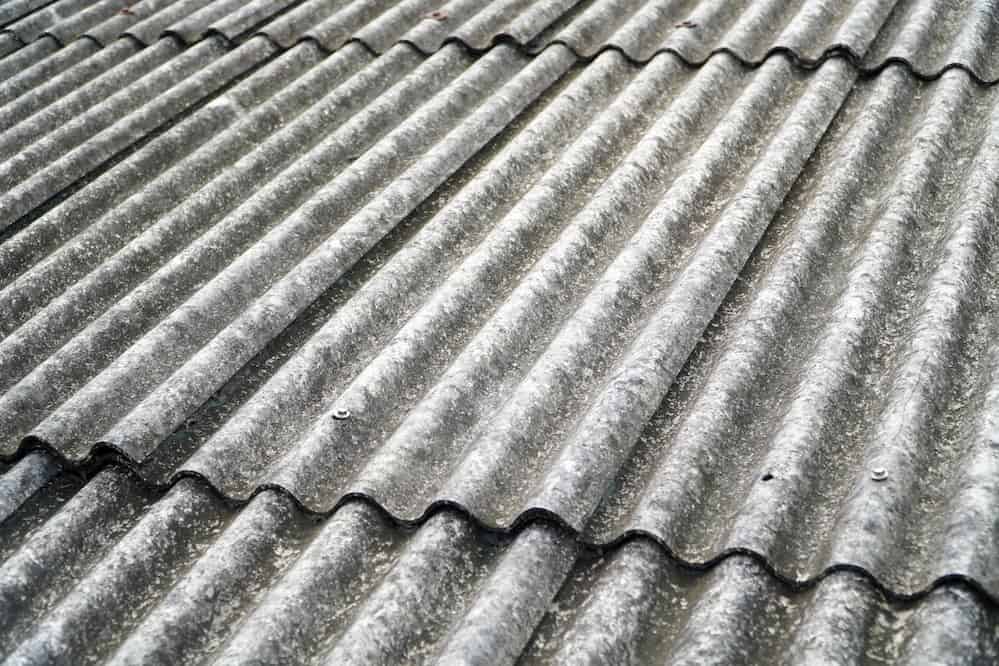
Medical experts have disclosed that people living in houses with asbestos roofs and ceilings, as well as lead-containing paints and pipes, are at risk of chronic headaches, abdominal pain, lung cancer, infertility, and developmental difficulties in children.
The doctors noted that whilst asbestos was widely used in Nigerian homes from the 1970s through the 1990s due to its affordability, exposure to the material and lead-based products could cause long-term damage to the nervous, respiratory and reproductive systems.
In exclusive interviews with PUNCH Healthwise, the physicians emphasised that pregnant women and children were particularly vulnerable to lead contamination, which could result in developmental delays, behavioural problems and severe health complications.
According to the World Health Organisation, asbestos is a severe cancer-causing agent, causing about half of all deaths from occupational-related types of cancer.
It noted that asbestos exposure is closely linked to cancer of the lungs, larynx and ovaries, mesothelioma (a form of cancer affecting the inner linings of the lungs) and asbestosis (scarring of the lungs).
The global health body also stated that the co-exposure to tobacco smoke and asbestos substantially increases the risk of lung cancers.
According to Section 14 (I) of the National Environmental (Constructions Sector) Regulations, 2011, “the use of asbestos at construction sites is prohibited.”
Section 13 (8) notes, “The use of lead-based paints for painting of building structures and/or other infrastructure is hereby prohibited.”
The Lagos State Government in 2018 alerted the public against the use of asbestos as a ceiling in homes, stating that it could cause cancer.
A paper on the risk of asbestos exposure among construction workers by Haruna Moda et al, shows that asbestos-containing materials were widely used in Nigeria’s construction industry, particularly from the 1970s through the 1990s, including in roofing sheets, ceiling panels, cement pipes, window putty, flooring and other structural components of buildings.
It notes that the high demand for low-cost construction materials and the absence of strong regulation or enforcement to ban or control asbestos use allowed these materials to continue circulating with little oversight.
Despite the ban, findings show that asbestos ceilings and roofing sheets are still sold in the country and are still used in some houses, especially those built over 30 years ago.
Providing expert insight into the matter, a Public Health Physician at the Irrua Specialist Teaching Hospital, Edo State, Dr Ekaete Tobin, stated that although the affordability and availability of asbestos as ceiling boards in the 70s made them widely used at the time, persons living in houses with such materials were at significant health risk.


She noted that persons living in houses with asbestos roofs and ceilings, lead-containing paints and piping systems were at risk of lead contamination.
Tobin said, “When asbestos breaks, they release fibres that, when inhaled, cause a lot of irritation to the respiratory system and lung damage. Lead was also commonly used in the production of paint then, and they were brighter, more available and cheaper, but we have also seen that it causes lead poisoning. So, as the paint peels off, the particles that are released get inhaled and lead to all kinds of symptoms. Lead was not only used in paints, pencils and batteries used at the time contained lead.”
The public health physician explained that lead was commonly used in pipes and leached into water, which, when consumed, would accumulate in the blood and cause various health problems.
She stated, “It was also commonly used in pipes and this leaches into the water and when drunk would begin to accumulate in the blood, causing haematological damage, such as anaemia because it affects haemoglobin formation, chronic fatigue and headaches because of the neurological affectation as it affects the neuro-transmitters in the brain making such people come down with lots of headaches, memory loss, irritability and poor concentration. These are the effects of lead damage on the nervous system. In the long term, it affects one’s productivity, school attendance, among others.”
The consultant public health physician further stressed that pregnant women and children exposed to lead-containing building materials were at risk of having babies with developmental difficulties.
Tobin said, “Pregnant women, when exposed, would be affected because lead could cross the placenta and lead to developmental difficulties and behavioural problems in children. It can also affect the kidneys. It causes a lot of irritation to the respiratory system, chronic inflammation and also exacerbates asthma.”
She further noted that although houses with asbestos, lead pipes and paints were no longer common, especially in urban areas, individuals living in such houses were exposed to potential health risks.
Speaking on what persons living in such houses could do, Tobin stated that undamaged asbestos ceilings posed minimal risk but required careful handling during replacement.
She said, “When you have an asbestos ceiling, as long as it is not damaged, falling or peeling, it poses no risk. The risk comes when there is a tear, damage or during replacement. If you are a building that wants to replace a building with asbestos ceiling or roofing sheet, do it under expert guidance. You might have to use respiratory protection. Don’t remove it in a room with closed windows or improper ventilation because the fibres fly everywhere.”
The public health expert recommended switching to safer alternatives and maintaining proper hygiene in houses with older materials.
Tobin advised, “Changing them to PVC ceilings is better. The paints we have now hardly contain lead, so using newer or contemporary products is safer. If you still have lead pipes, make sure you keep the environment clean, wash your hands before you eat, wet the floors or clean with a mop and water. This would help to reduce the particles in the air you breathe.”
Also, a doctor of Internal Medicine, Dr Olusina Ajidahun, stated that houses built in the 60s and 70s had ceilings, piping, and paints containing lead, noting that in heavy quantities, it causes injury to the health of persons exposed to it.


He noted that prolonged exposure to the heavy metal could cause lead poisoning in children, resulting in headaches, constipation, weakness, and memory changes.
The internal medicine expert further noted that the component in asbestos increased the risk of cancer of the lungs, especially in builders and persons dealing with them.
Ajidahun stated that there was now a regulation on the quantity and use of lead in building and household materials.
The doctor explained the various ways lead accumulation affected different body systems over time.
He added, “Lead is easily absorbed in the body, and before one has lead toxicity, it must have been caused by an accumulation over a period of time. If it accumulates in the gastrointestinal system for a long time, the person can have persistent abdominal pain and constipation. If it is the Central Nervous System, such a person can have headaches and memory problems.
“It can even affect the reproductive system as lead poisoning increases the risk of infertility, and in a pregnant woman, it can lead to stillbirth and abortion. It can also affect the development of a child and may cause joint or muscle pain.”
Ajidahun advised persons living in such houses and experiencing the listed symptoms to see a doctor who would recommend the appropriate treatment to combat the toxicity of heavy metals.
The physician advocated a health, safety, and environment survey of houses to ensure building materials with high lead toxicity are not used.
The doctor also emphasised the need for public education on the symptoms of lead toxicity and the demolition of old houses built with asbestos, lead-containing pipes and paints.
Copyright PUNCH
All rights reserved. This material, and other digital content on this website, may not be reproduced, published, broadcast, rewritten or redistributed in whole or in part without prior express written permission from PUNCH.
Contact: health_wise@punchng.


