


Angela Onwuzoo
The Lagos State Health Management Agency has called for media support to intensify awareness of the ILERA EKO Health Insurance Scheme among residents as the state government commences full implementation of mandatory social health insurance.
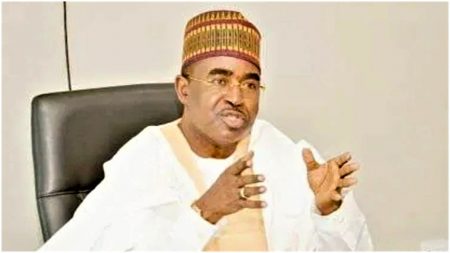
The Permanent Secretary of LASHMA, Dr. Emmanuella Zamba, made the call during a two-day capacity-building workshop for health journalists in the state aimed at driving awareness and compliance with the mandatory social health insurance scheme.
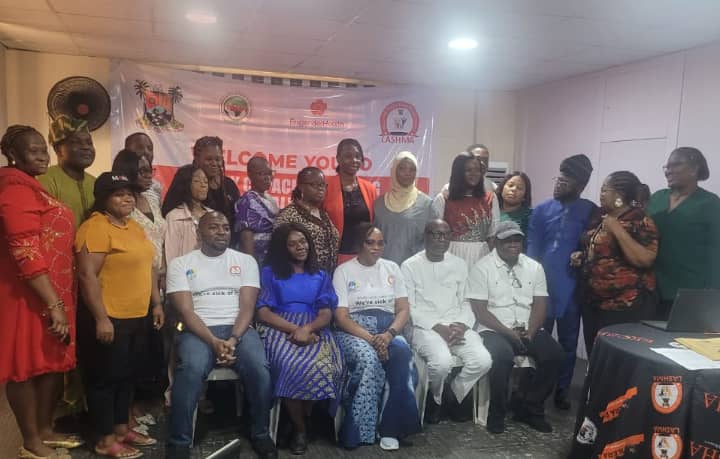
The training was organised by LASHMA in collaboration with the International Society for Media in Public Health and the EngenderHealth Consortium to strengthen understanding of the ILERA EKO customer journey, benefits package, service delivery, grievance mechanisms, and the rights and responsibilities of enrollees.
The workshop, held at the LASHMA office, also seeks to promote accurate, ethical, and solution-driven reporting on social health insurance, access to care, and accountability.
Declaring the capacity-building programme open, Zamba told the health journalists, who are members of the Health Writers Association of Nigeria, that the training was a crucial step in ensuring full compliance with the Executive Order signed on July 16, 2024, by Governor Babajide Sanwo-Olu, which compels all Lagos residents to enroll under the ILERA EKO Health Insurance Scheme
“The success of Mandatory Health Insurance in Lagos State depends significantly on public awareness and trust. Achieving Universal Health Coverage is a shared responsibility involving government, healthcare providers, partners, residents, and the media”, she said.
The PS noted that the Lagos State Government remains resolutely committed to ensuring that all residents, regardless of socio-economic status, have access to quality, affordable, and equitable healthcare services.
“This commitment informed the Executive Order signed by His Excellency, Mr. Babajide Olusola Sanwo-Olu, on 16th July, 2024, which makes health insurance under ILERA EKO mandatory for all residents of Lagos State.
“Following this directive, enforcement has commenced across Ministries, Departments, and Agencies. However, beyond enforcement, our priority remains education, engagement, and building public confidence in the Scheme.
“To demonstrate leadership by example, all public servants in Lagos State have been enrolled on ILERA EKO, with the State Government paying 75 per cent of the annual premium, while public servants contribute the remaining 25 per cent”, she explained.
According to her, in addition, one per cent of the Consolidated Revenue Fund has been dedicated as an Equity Fund to provide health insurance coverage for vulnerable residents.
“This Equity Fund was increased from ₦1 billion to ₦3 billion and approved as a one-line charge, reinforcing the state’s resolve to leave no one behind”, she added.
Zamba, however, expressed concern that despite these efforts and the introduction of innovations to simplify enrolment and reduce out-of-pocket health expenditure, many residents are still yet to be covered.
This, she emphasised, highlights the need for sustained awareness and accurate information.
She further noted, “In a megacity like Lagos, health insurance is no longer optional—it is essential. The Mandatory Social Health Insurance Programme is designed to protect residents from catastrophic health expenses, strengthen the health system, and ensure sustainable healthcare financing.
“Policies alone do not guarantee success. Their effectiveness depends on the understanding and cooperation of all stakeholders.
“ The media plays a critical role in this process by explaining policies, dispelling myths, amplifying impact, and holding institutions accountable.”
Zamba stated that the capacity-building programme was strategic.
“It aims to deepen your understanding of the Lagos State Health Scheme and equip you with accurate information for responsible reporting. I urge you to see this engagement as a partnership with the health sector—one that promotes factual reporting, constructive criticism, and public trust”, she concluded.
With implementation frameworks now in place, Lagos is poised to become the first state in Nigeria to operationalize a statewide mandatory social health insurance system, setting a model that others are expected to replicate.
The LASHMA PS in December 2024 disclosed that over 1.3 million Lagos residents have enrolled in ILERA EKO.
In her welcome address, Executive Director of ISMPH, Mrs. Moji Makanjuola, stated that journalists occupy a powerful and unique position, stressing that their reporting informs public understanding, influences policies and priorities, and holds institutions accountable.
Makanjuola noted that through informed journalism and responsible governance, health journalists can accelerate progress towards ending preventable deaths in Nigeria.
“By strengthening your capacity in health reporting, you are better equipped to follow the money, follow the policy, follow the targets, follow the institutions, follow the human resources, and the entire gamut that makes up the health sector.
“Your work can elevate evidence-based conversations on issues such as domestic resource mobilisation, health insurance coverage, primary health care funding, and equity in access for rural and underserved populations,” she said.
The veteran journalist reminded her colleagues that clear, accurate, and persistent reporting could help ensure that investments in all ramifications of healthcare services are adequate, efficient, and transparently managed.
The ISMPH boss stressed the need for journalists to always explain complex budgetary processes in human terms and spotlight gaps between policy promises and on-the-ground realities in order to achieve the desired impact.
She described the capacity building as more than a training, but a call to action, urging participants to use the knowledge gained at the workshop to deepen investigative reporting and amplify the voices of women, men, caregivers, and frontline health workers.
The executive director also encouraged journalists to sustain public health dialogue on health needs and solutions to help save more lives.
On his part, Boniface Kassam from ISMPH called for responsible media reporting on ILERA EKO, urging journalists to uphold professional ethics in health reporting.
He stressed the need for the media to prioritise professionalism and ethical standards to safeguard the health of residents.
The training ended with a renewed commitment from HEWAN members to raise awareness on ILERA EKO compliance and enforcement, affirming that mandatory health insurance represents a transformative policy that will safeguard residents, reduce poverty, and strengthen the state’s health system.
Copyright PUNCH
All rights reserved. This material, and other digital content on this website, may not be reproduced, published, broadcast, rewritten or redistributed in whole or in part without prior express written permission from PUNCH.