

Former Arsenal academy midfielder, Kelechi Nwakali, is now firmly exiled from the first-team setup under manager Conor Hourihane, Soccernet.ng reports.
The 27-year-old has not made a single senior appearance for the League One club this season and has been restricted to training and playing with the under-21 side, according to reports.
His representative has confirmed to Footy-Africa that the Nigerian international is growing increasingly disenchanted with his treatment at Oakwell, insisting that the midfielder remains committed to his profession and that efforts to find a resolution—whether at Barnsley or elsewhere—are ongoing.
But for anyone who has followed Nwakali’s career closely, the current standoff is not new. It is, in fact, a painfully familiar script.
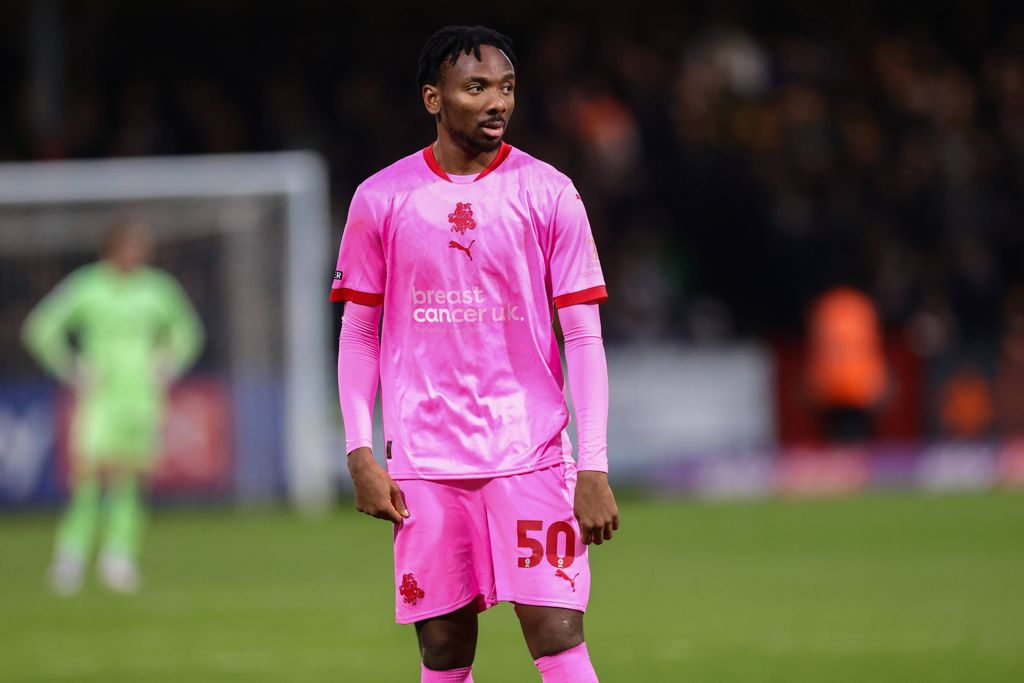
Kelechi Nwakali: From golden boy to Ghosted
When Nwakali captained Nigeria’s Golden Eaglets to glory at the 2015 FIFA U-17 World Cup in Chile, winning the tournament’s Golden Ball as the best player, the football world took notice. Arsenal moved quickly, completing a deal reportedly facilitated by club legend Nwankwo Kanu.
The future looked boundless. But it never quite materialised at the Emirates.
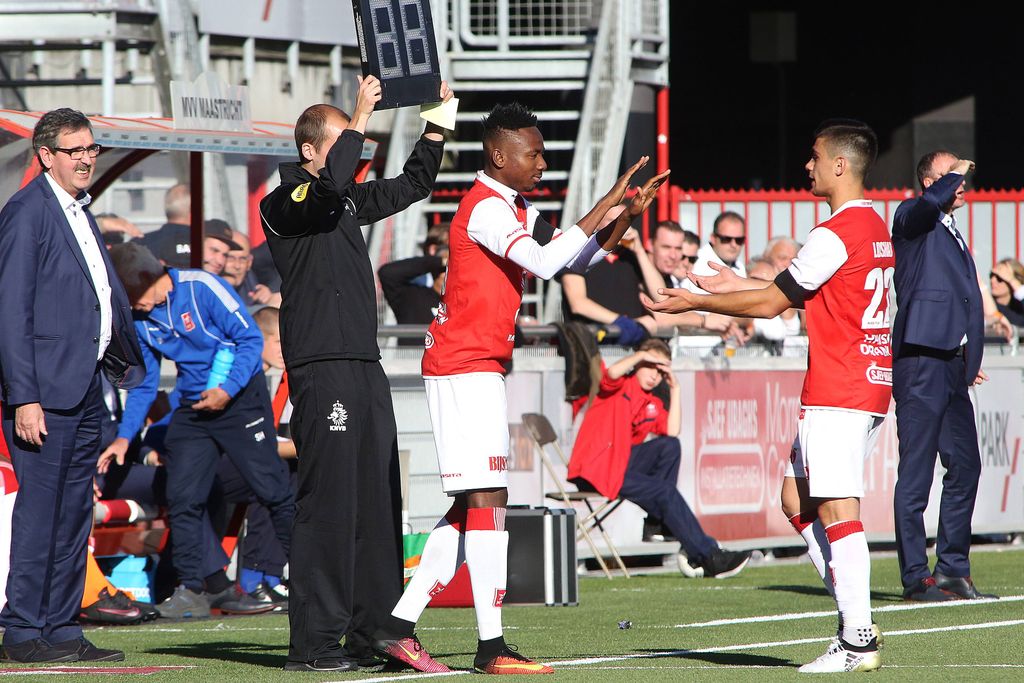
Work permit complications meant Nwakali never pulled on an Arsenal shirt for a competitive match. Instead, he was shipped out on loan — first to MVV Maastricht in the Dutch second tier, then to VVV-Venlo in the Eredivisie, and later to Porto’s B team in Portugal. At none of these stops did he establish himself as more than a temporary passenger.
A permanent move to SD Huesca in 2019 seemed like a turning point. He featured in La Liga and appeared to be settling. But that chapter ended bitterly in April 2022 when the Spanish club terminated his contract six months early, following what Nwakali described as a dispute over his participation in the Africa Cup of Nations with the Super Eagles.
He claimed he was sidelined, denied wages, and prevented from training after honouring his national team call-up, which painted a grim picture of a player caught between a club and country.
The pattern repeats
Nwakali rebuilt at Ponferradina in Spain’s second division, where he enjoyed arguably his most consistent spell — 36 appearances and steady performances in 2022-23. A move to Chaves in Portugal’s top flight followed, where he clocked 32 outings in the 2023-24 season.
Then came Barnsley.
The Tykes signed him on a three-year contract in August 2024, and his debut campaign offered genuine promise. He made twenty-six appearances, scored a goal, and showed signs that he could be an influential figure in League One.
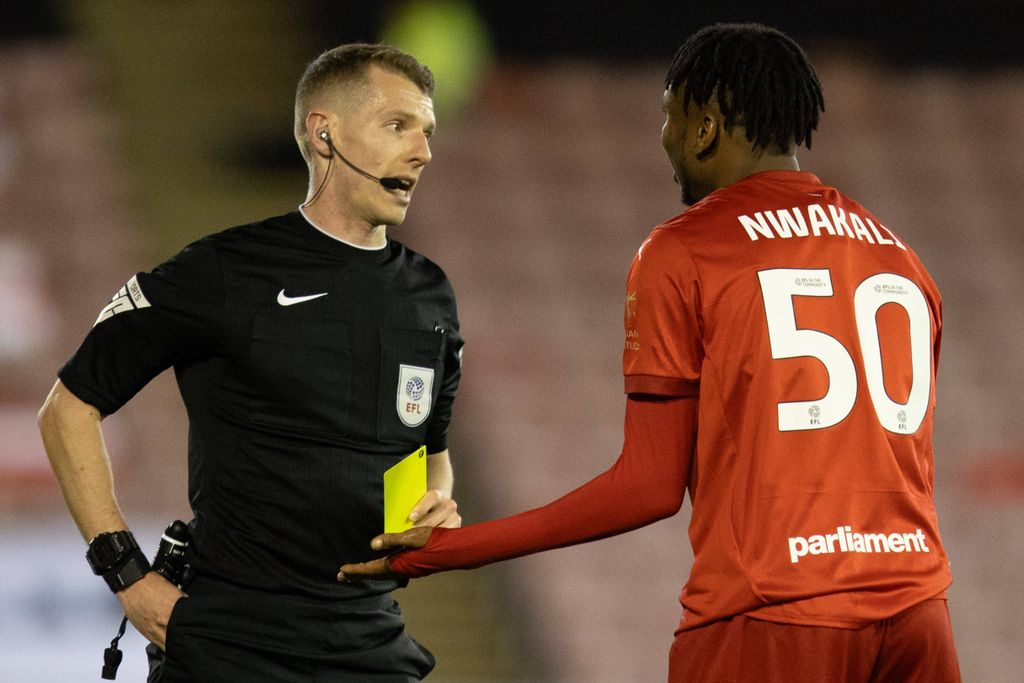
But the second season has brought silence. Manager Hourihane confirmed as far back as November 2025 that Nwakali was unlikely to feature for the first team again, citing a discipline issue. The player’s camp disputes that characterisation, with his agent telling Footy-Africa that the negative narrative — particularly in Nigerian media — has been overblown and, in some cases, fabricated.
”The media, especially the local media, has not been fair to him. I don’t know why they continue to write negative stories,” the agent said. “Most of these reports are untrue. I have even contacted some outlets to find out why they are publishing such malicious content.”
The bigger question
Nwakali turns 28 in June. He still has two years left on his Barnsley contract, but the situation is clearly heading towards a summer departure, either through a transfer or by mutual termination, or an uncomfortable standoff until the deal expires in 2027.
His representative has indicated that the player is open to all options, including running down his contract if necessary.
What makes Nwakali’s case compelling is the wider pattern. At Arsenal, circumstances beyond his control stalled his progress. At Huesca, a dispute with the club cost him dearly. At Barnsley, he has once again found himself on the outside looking in.
The talent was never in question. A player who won the Golden Ball at a World Cup, who competed in La Liga, who represented the Super Eagles at the Africa Cup of Nations — there is quality there. But quality alone has never been enough to sustain a career, and Nwakali’s journey is proof of that uncomfortable truth.
