

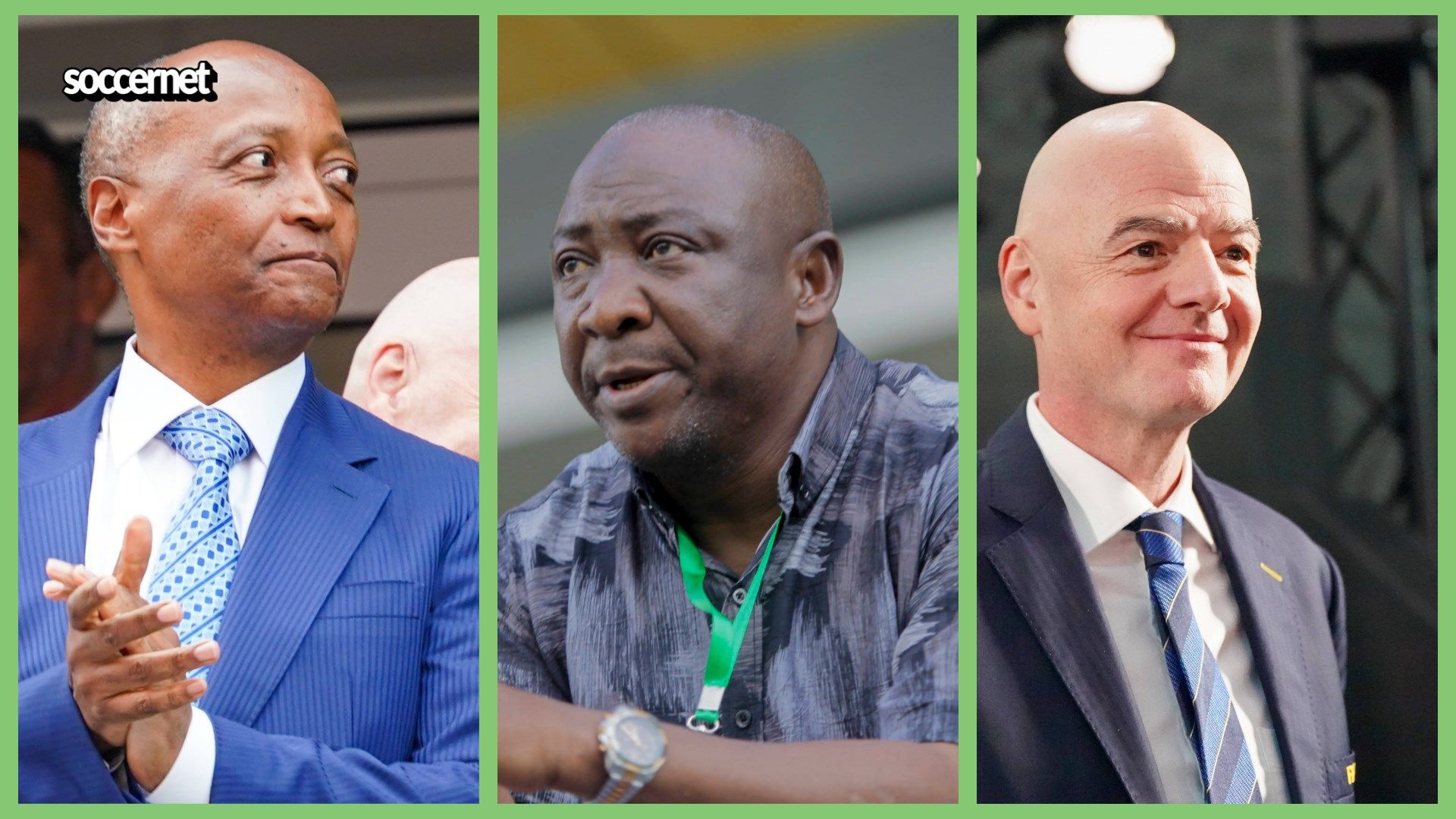
The Nigeria Football Federation (NFF) receives millions of dollars from both FIFA and the Confederation of African Football (CAF) every funding cycle, Soccernet.ng reports.
Football funding has become a major talking point again after FIFA president Gianni Infantino proposed a controversial $20 billion commercial plan that promised significantly higher payouts for member associations.
While the proposal ultimately failed to secure enough backing to be implemented, it reignited discussions about how much national federations, including the NFF, actually receive every year.
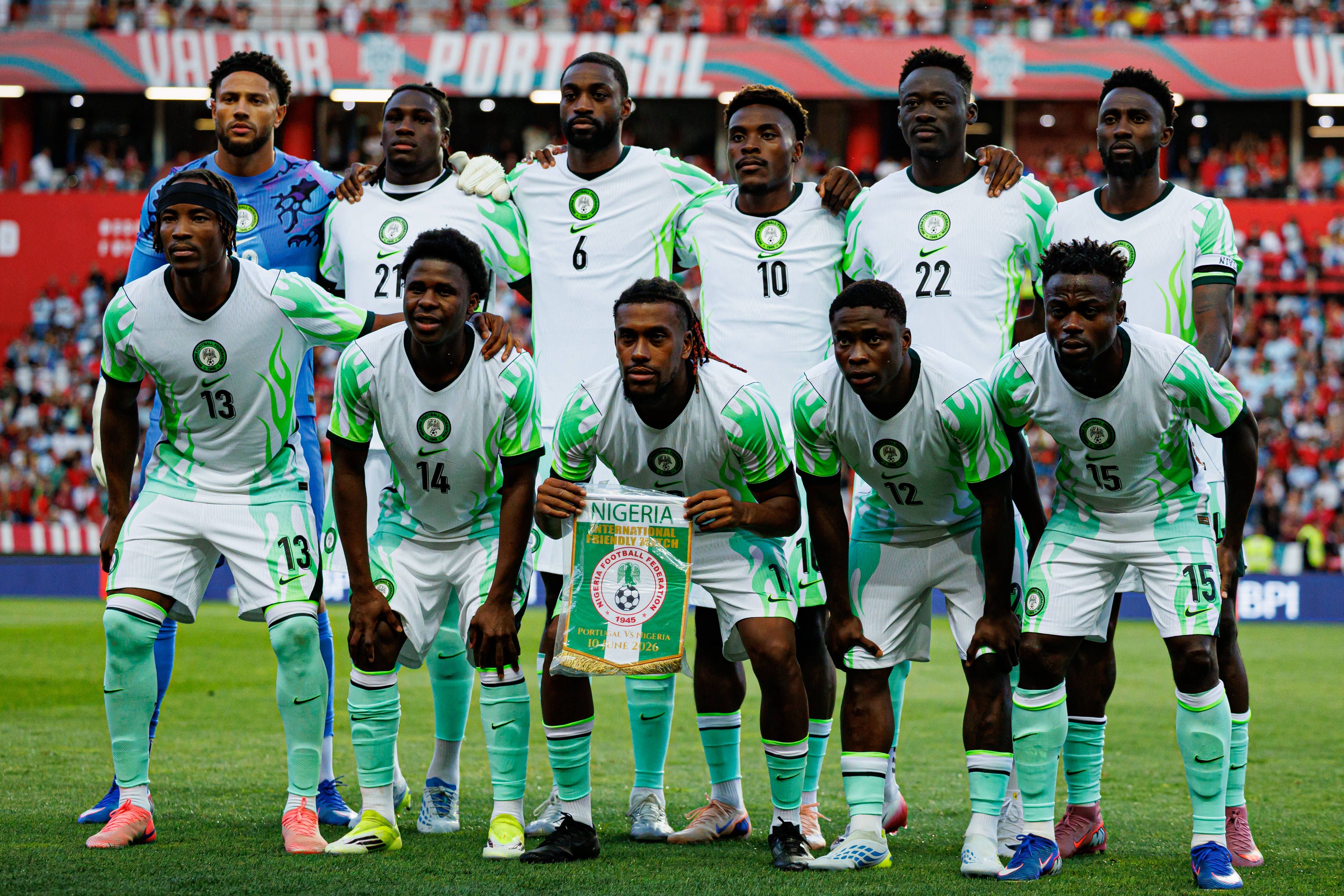
Beyond sponsorships, broadcasting revenue and government support, FIFA and CAF funding plays a central role in helping the NFF finance the Super Eagles, Super Falcons, youth national teams, grassroots football, coaching programmes and infrastructure projects.
Get Our Sports News First – Join Our WhatsApp Channel Now!
How much does the NFF receive from FIFA?
Through the FIFA Forward Programme, Nigeria receives funding designed to support football development, operational costs and long-term projects.
FIFA Forward 3.0, launched in January 2023, increased football development investment by almost 30% compared to previous cycles while strengthening oversight on how member associations spend the funds.
Under the current programme, every FIFA member association can access:
- Up to $1.05 million (₦1.43 billion) annually to cover operational costs related to football activities.
- Access to development funding from a global pool of $633 million for approved football projects.
- Additional assistance of up to $1.2 million for federations identified as requiring extra support for travel, accommodation and football equipment.
The project funding is not distributed automatically. Instead, national associations submit development proposals that FIFA evaluates before releasing funds.
Over the years, FIFA Forward has financed stadium renovations, technical centres, youth academies, women’s football initiatives, VAR implementation and football infrastructure across several countries, demonstrating how the programme extends beyond direct cash grants.
For the NFF, the operational funding alone amounts to approximately $4.2 million (₦5.73 bn) over a four-year FIFA cycle before any approved development projects are considered.

How much does the NFF receive from CAF?
CAF recently introduced one of the biggest funding increases in African football history.
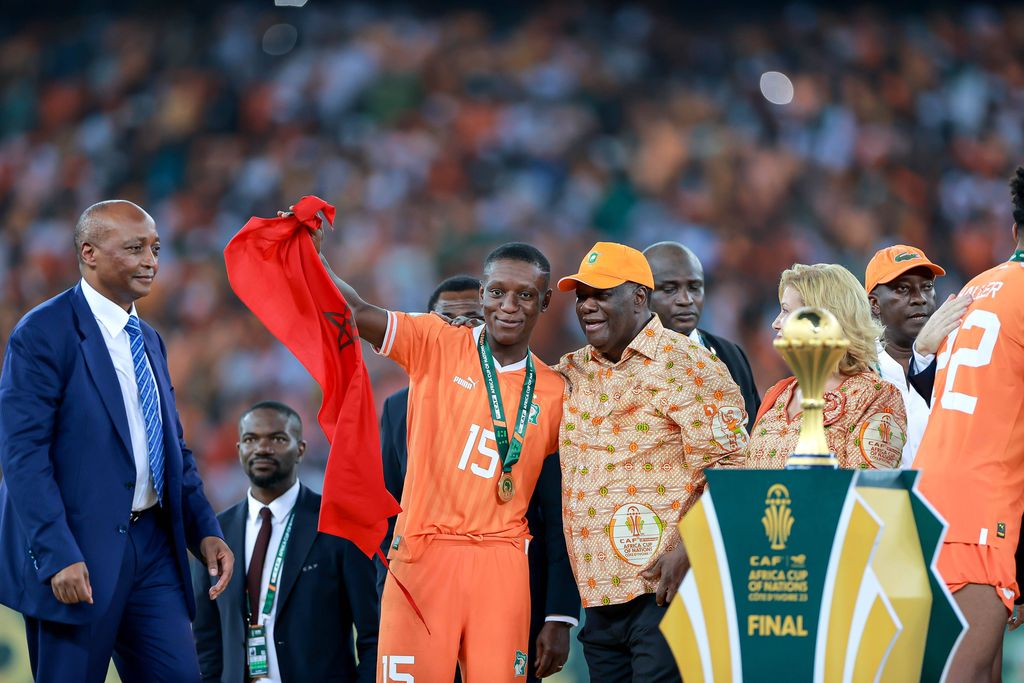
Under reforms announced by CAF president Patrice Motsepe, every one of CAF’s 54 member associations, including Nigeria, will now receive $1 million annually, replacing the previous allocation of $200,000.
The increase is designed to strengthen youth football, women’s football, domestic competitions and national teams while helping federations improve their long-term financial planning.
For the NFF, this means:
- $1 million (₦1.36bn) every year from CAF.
- Approximately $4 million (₦5.45bn) over a standard four-year cycle.
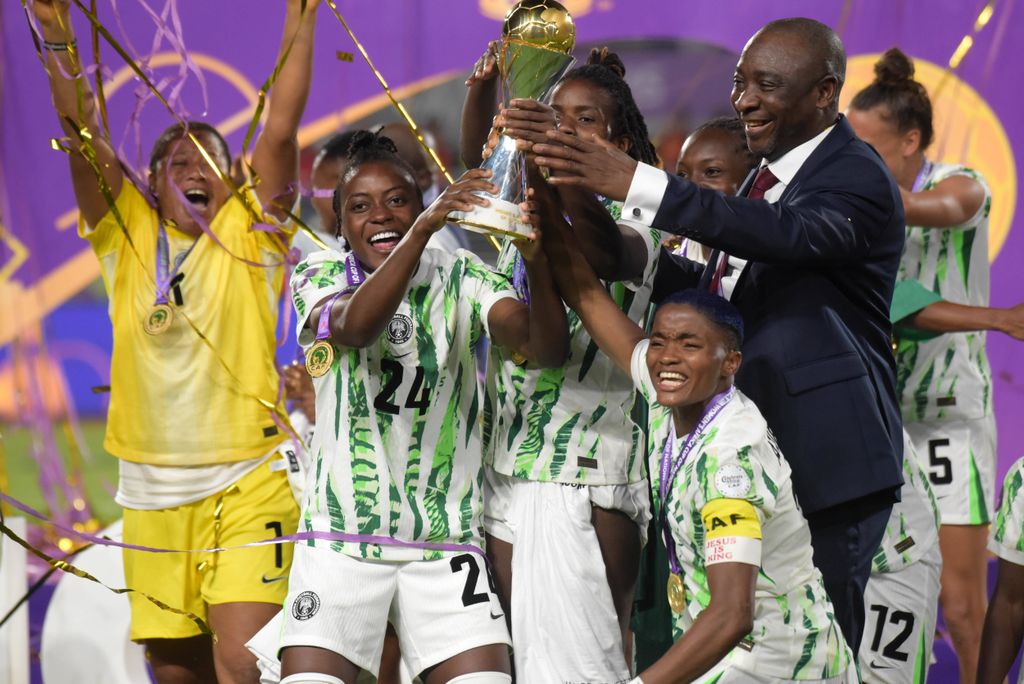
This funding comes separately from prize money earned through competitions such as the Africa Cup of Nations, CAF Champions League, CAF Confederation Cup and Women’s Africa Cup of Nations.
Combined with FIFA Forward operational support, the NFF now has access to approximately ₦2.8bn annually.
How much would the NFF have received under Infantino’s $20bn proposal?
Infantino’s proposal would have transformed football funding worldwide. The FIFA president proposed selling a minority stake in FIFA’s commercial rights to outside investors, creating what was called FIFA Forward Enterprise.
If approved, every member association, including Nigeria, would have become eligible for:
- $20 million (₦27.18bn) through an expanded FIFA Forward programme.
- Another $20 million through a new one-off “Fast Forward” initiative.
In total, each federation could have accessed up to $40 million from January 2027.
Infantino also projected that over three funding cycles spanning 12 years, federations could receive approximately $86 million, compared to just $3 million received before he became President.
For the NFF, it would have been the single biggest financial injection ever received from FIFA, having already gotten backing from former President Amaju Pinnick.
Statement attributable to the FIFA President
The FIFA Forward Enterprise project was intended to provide a basis for further strengthening our FIFA Member Associations and our sport worldwide, especially in those countries where support is most needed. And more so, as we said…
— FIFA Media (@fifamedia) July 31, 2026
Why Nigeria will not receive the additional money
Despite the financial incentives, Infantino’s proposal generated significant opposition. Several football stakeholders argued that selling part of FIFA’s commercial rights to private investors would fundamentally alter the governance of world football.
UEFA emerged as the strongest opponent, accusing FIFA of attempting to pressure associations into supporting the proposal by tying future funding to their votes.
The proposal ultimately failed to gather the level of support required for implementation, meaning the additional funding package will not be introduced.
Importantly, CAF did not publicly lead the opposition. Many African federations viewed the proposal differently because of the enormous financial benefits it promised for developing football nations.
The CAF Executive Committee to assess and evaluate the FIFA Forward Enterprise proposalhttps://t.co/lSCG5LYD4T
— CAF Media (@CAF_Media) July 29, 2026
As a result, FIFA’s existing Forward programme remains in place, while CAF’s newly announced annual $1 million grant continues to provide a substantial boost for African football associations.
What this means for Nigerian football
Although the proposed $40 million windfall will not materialise, Nigerian football remains in a stronger financial position than it was just a few years ago.
The combination of FIFA Forward funding and CAF’s increased annual allocation provides the NFF with millions of dollars every year to invest in:
- The Super Eagles and Super Falcons.
- Youth national teams.
- Women’s football.
- Grassroots development.
- Coaching education.
- Football infrastructure.
- Administrative operations.
Whether those resources translate into improved performances on the pitch, however, depends less on the amount received and more on how effectively the federation plans, manages and invests the money.
For many Nigerian football stakeholders, the challenge is no longer simply securing funding; it is ensuring every dollar contributes meaningfully to the long-term development of the beautiful game.
If properly accounted for, issues like delayed payments for coaches and players would cease to exist, while there would be visible infrastructure across every tier of football.
