

Dare Akogun and Yusuf Oketola
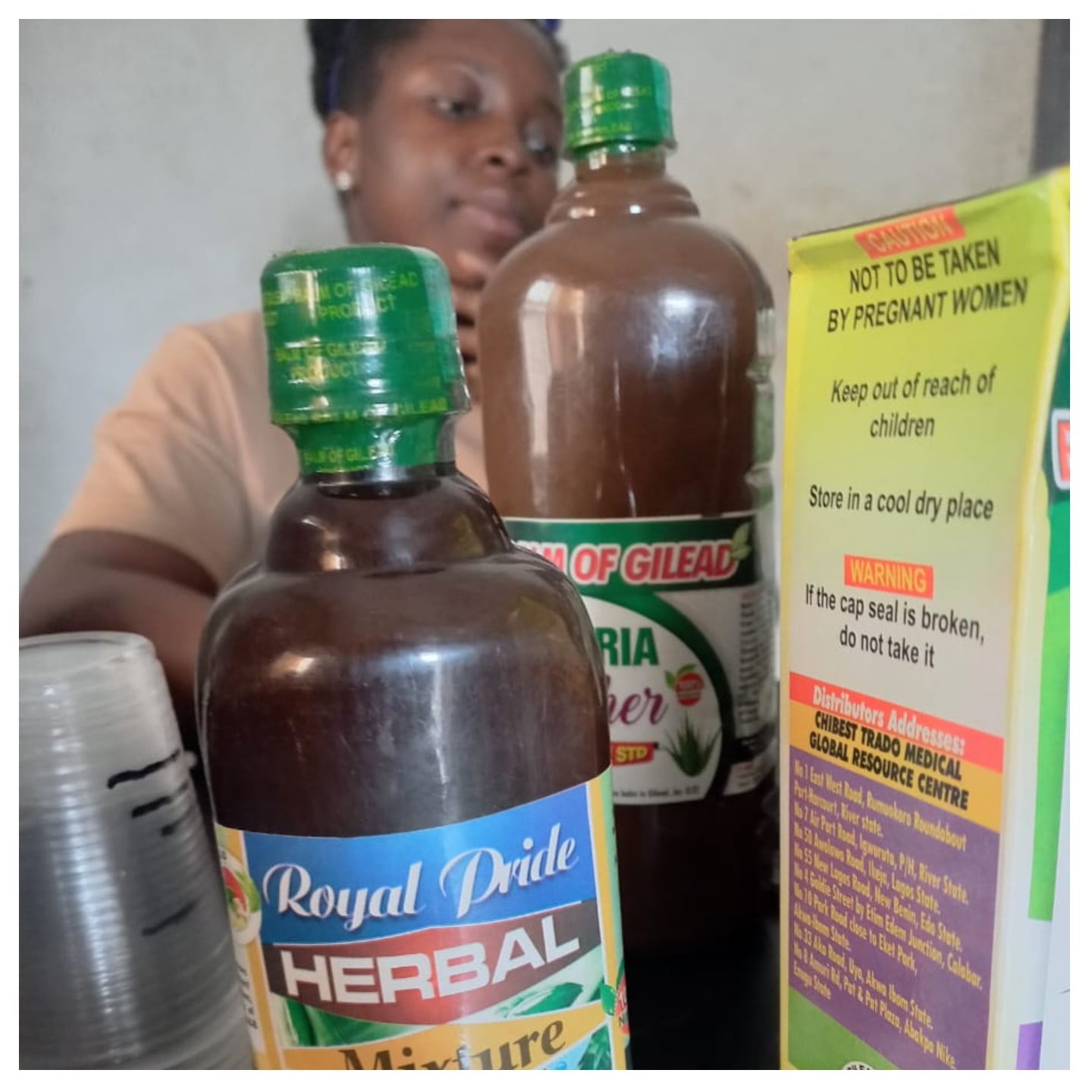
The rising cost of orthodox medicines is forcing more Nigerians, particularly those in low-income communities, to turn to herbal and other unorthodox remedies, Sunday PUNCH has learnt.
This is as medical practitioners have raised concerns over the safety of products whose ingredients, dosage and production processes are not always known.
The concern has assumed greater urgency in Ondo State, where 49 people have died and about 182 others are barely hanging on to life after consuming suspected toxic herbal drinks across three local government areas.
The Commissioner for Health, Dr Banji Ajaka, disclosed on Wednesday that the number of affected persons had risen to about 182, while the death toll increased from 29 to 49.
He said the situation in Odigbo Local Government Area, where 24 people reportedly died in Araromi-Obu and Odigbo communities, had subsided following medical intervention, but noted that Irele LGA had emerged as a serious concern.
The latest fatalities came days after 24 residents of Araromi-Obu and Odigbo communities reportedly died after consuming the suspected toxic herbal substance.
The Chairman of Odigbo LGA, Taiwo Adegoroye, said eight people died in Araromi-Obu, while 16 died in Odigbo town.
The cause of the deaths has, however, not been conclusively established.
Earlier reports indicated that police recovered suspected methanol from the products, while samples were sent for forensic examination. Several people were also arrested in connection with the incident.
Although investigations are ongoing and laboratory analysis is expected to establish the actual substance responsible for the deaths, health practitioners, pharmacists and toxicologists said the incident had highlighted a wider public health problem.
Sunday PUNCH gathered that Nigerians who cannot afford increasingly expensive orthodox medicines are often left with cheaper alternatives that may not have undergone adequate testing, standardisation or regulatory scrutiny.
Poverty drives patronage
For medical practitioners, the circumstances surrounding the Ondo deaths cannot be completely separated from the economic realities facing Nigerians.
The Chief Executive Officer of Gitax Laboratory, Dr Olusola Arowolo, said the rising prices of orthodox medicines had made treatment increasingly unaffordable, particularly for poor patients.
“Some medicines that used to cost between N5,000 and N8,000 have even gone up to N40,000,” he said.
Arowolo added, “It’s so bad that when patients come to the hospital, a lot of them can’t afford these drugs because there is huge poverty in the land, so many people turn to unorthodox medicine.”
According to him, affordability, availability and cultural familiarity had combined to make herbal remedies attractive to Nigerians who would otherwise prefer orthodox treatment.
Arowolo, however, cautioned against portraying all herbal medicines as inherently dangerous, arguing that some medicinal plants had recognised therapeutic value.
“Unorthodox medicines are very cheap, affordable, and everywhere. Are herbs in their entirety dangerous? The answer to that is no. The critical issue was the manner in which herbal medicines were processed, prepared, dosed, packaged and consumed,” he added.
Dr Ololade Onaolapo of Rikiyah Clinics also argued that Nigeria needed a stronger policy framework capable of bringing traditional medicine into a more structured and scientifically monitored system.
He said consumers should be provided with reliable information on the ingredients of herbal products, appropriate dosage, possible interactions and the consequences of overdose or underdose.
Onaolapo said developments in countries such as India and China demonstrated that traditional medicine could be subjected to scientific scrutiny without necessarily eliminating traditional knowledge.
“The challenge is to develop systems that can distinguish potentially useful traditional remedies from unsafe preparations,” he added.
Pharmacists demand standardisation
Pharmacists and researchers who spoke with Sunday PUNCH said the safety problem extended beyond toxic substances deliberately added to herbal products.
They identified inconsistent plant identification, unknown concentrations, inappropriate dosage, contamination, poor storage and inadequate labelling as potential risks to consumers.
A pharmacist and researcher, Gbenga Salako, said medicinal plants contain numerous chemical compounds that could have therapeutic or toxic effects depending on the plant, preparation method and quantity consumed.
He explained that plants are potions of phytochemicals and that the presence of natural ingredients did not automatically make a preparation harmless.
Salako said Nigerians consumed herbal products for socio-economic, cultural and historical reasons, adding that scientists and policymakers should therefore focus on ensuring safe use rather than dismissing traditional medicine altogether.
A Lagos-based pharmacist, Caroline Ademiluyi, said one of the major problems was that consumers were often unable to determine precisely what they were taking.
She raised concern that some herbal preparations do not provide sufficient information on their ingredients, dosage, contraindications or possible interactions with conventional medicine and called for more rigorous inspection of producers and sellers of herbal products.
“Anybody who deals with herbal medicine should have successfully scaled through the requirements of both NAFDAC and the traditional medicine board,” Ademiluyi said.
She added that regulatory agencies needed to identify products being sold outside established regulatory channels.
“A good number of our products are not within the purview of these two bodies,” Ademiluyi said.
A clinical pharmacist, Tobi Emmanuel, said standardisation should begin with identifying the exact plant species used and the part of the plant processed.
He said the concentration of active ingredients, extraction method, preparation process, dosage and storage conditions could all affect the safety and effectiveness of a herbal preparation.
Emmanuel said two products made from what appeared to be the same plant could have completely different effects if they were prepared differently or contained varying concentrations of active compounds.
He, therefore, advocated proper laboratory testing and standardisation before herbal products were released for widespread consumption.
Laboratory finding is key
Toxicologists who spoke to Sunday PUNCH urged caution in attributing the Ondo deaths to methanol poisoning before the completion of laboratory examinations.
A toxicologist at the University of Abuja, Muhammed Musa, said the symptoms reported among the victims could raise suspicion of poisoning but could not provide conclusive evidence of the substance involved.
“What we have now are symptoms and history of ingestion. That is not enough. The most important question for us is: what was contained in that herbal mixture and at what concentration? Until you analyse the drink itself and the biological samples from victims, you cannot say this was methanol or anything else,” he said.
Musa explained that methanol poisoning could produce serious neurological and visual complications because the substance is metabolised in the body into toxic compounds capable of causing metabolic acidosis and damage to the optic nerve.
According to him, symptoms such as visual disturbances, vomiting, abdominal pain, altered consciousness and rapid deterioration could point investigators towards toxic alcohol exposure, but similar symptoms could occur following exposure to other poisonous substances.
“Methanol is metabolised in the liver to formic acid, which can cause metabolic acidosis, optic nerve damage, blindness, coma and death,” he explained.
Musa said ethanol adulteration, higher alcohols, pesticide contamination and naturally occurring plant toxins could also produce serious symptoms, making laboratory toxicology indispensable.
He further warned that poor production practices could create additional risks.
According to him, improperly produced alcoholic herbal mixtures could contain dangerous concentrations of methanol, especially where crude distillation or local production processes were involved.
He said investigators should therefore examine not only the finished herbal drink but also its raw materials, production process and distribution chain.
Another toxicologist, Toyosi Adetimehin, said the investigation should establish a complete toxicological profile rather than focusing exclusively on methanol.
Stop counterfeit products!
“The central evidence is blood and urine from victims, ideally collected early, and the remnant of the suspected drinks sealed and preserved. Blood methanol, formate levels and anion gap will give us clues,” Adetimehin said.
He said the samples should be tested for volatile alcohols and other possible contaminants.
According to him, determining the concentration of a suspected toxic substance was as important as establishing its presence.
“A low concentration may suggest accidental contamination, while a very high concentration will suggest adulteration, possibly deliberate use of cheaper industrial alcohol to increase potency,” he explained.
Adetimehin said investigators should also establish whether the suspected product was manufactured under controlled conditions, whether the same batch was consumed by the victims and whether other substances had been mixed into it.
Similarly, a public health analyst, Felicia Alabi, warned against concluding with symptoms alone.
“We cannot rely on symptoms alone to identify the poison. Visual disturbance is a red flag for methanol, yes, but we have seen similar presentations with other toxic exposures. The laboratory has to speak,” she said.
Alabi said investigators should trace the products from the victims to the points of sale and eventually to the manufacturers.
She noted that remnants of the products, packaging materials, production equipment and samples from the same batch could provide important evidence.
200 associations raise concerns
The safety concerns are further complicated by what the National Association of Nigerian Traditional Medicine Practitioners described as the proliferation of associations claiming to represent traditional medicine practitioners.
The association’s South-West Publicity Secretary, Luqman Oseni, alleged that more than 200 traditional medicine associations were operating without approval from the Federal Ministry of Health.
“The major problem facing us, especially in the South-West, is the illegal issuance of documents by associations that are not registered or recognised by the Federal Ministry of Health. These associations are more than 200,” Oseni said.
He alleged that some of the associations issued documents to people seeking recognition as traditional medicine practitioners, creating confusion for both practitioners and members of the public.
Oseni argued that the proliferation made it difficult for consumers to determine which practitioners and organisations were operating within recognised regulatory structures.
He also called for greater coordination among relevant agencies and stakeholders.
“Before anybody can be registered by CAC, they must show approval from both NAFDAC and NANTMP,” Oseni said.
However, registration of an association or business is distinct from regulatory approval for a medicinal product, Sunday PUNCH gathered.
It was discovered that NAFDAC’s regulatory framework requires regulated herbal medicinal products and manufacturing facilities to meet prescribed requirements before such products can be manufactured, marketed or distributed.
This distinction is particularly important in an industry where consumers may interpret registration of a business, association membership or a certificate issued by a private body as evidence that a particular herbal product has been tested or approved.
Meanwhile, NANTMP describes itself as an umbrella body for traditional medicine practitioners and says it was inaugurated in Abuja in 2006.
The association’s claims about recognition and regulation, however, require clarification from the relevant government authorities.
NAFDAC battles manpower shortage
The ability of regulators to monitor the rapidly expanding market has been another major concern.
NAFDAC Director-General, Prof Mojisola Adeyeye, has repeatedly complained about manpower shortages at the agency.
She disclosed in 2026 that NAFDAC had about 2,000 workers serving a population of about 240 million Nigerians, while the agency required substantially more personnel to effectively perform its regulatory functions.
Adeyeye had previously said NAFDAC needed not less than 10,000 personnel.
It was gathered that the manpower challenge has implications for the agency’s ability to conduct routine inspections, collect samples, analyse products, monitor markets and enforce regulatory requirements across the country.
NAFDAC’s regulatory framework covers the registration and control of herbal medicinal products, including requirements relating to manufacturing facilities, labelling and product safety.
Yet enforcement depends on the regulator’s ability to identify products in circulation and act against those that fail to meet the requirements.
A public health analyst, Rhoda Adesola, said the consequences of weak oversight could be particularly severe because price often becomes the overriding consideration, especially for poor consumers, when choosing between treatment options.
“A patient unable to afford a conventional medicine may opt for a cheaper herbal preparation without knowing whether it contains the claimed ingredients, the correct dosage or potentially harmful contaminants.
“The situation raises broader questions about the responsibilities of the Federal Ministry of Health, NAFDAC, state health authorities, traditional medicine structures and other relevant regulatory bodies in protecting consumers.
“Rather than simply discouraging Nigerians from using herbal medicine, practitioners and the government needed to address both sides of the problem: the economic conditions driving demand and the regulatory weaknesses that could expose consumers to harm,” she said.
Another analyst, Ibrahim Adegbenro, told Sunday PUNCH that the Ondo incident had exposed a deeper challenge that went beyond the suspected toxic drink.
“Millions of Nigerians continue to make healthcare choices under severe financial pressure. Until the cost of orthodox treatment, access to healthcare and regulation of alternative remedies are addressed together, vulnerable Nigerians may continue to turn to cheaper preparations without adequate information about what they are consuming,” he said.
Methanol found in Ondo herbal remedies – NAFDAC
Sunday PUNCH contacted the Federal Ministry of Health and Social Welfare for clarification on the traditional medicine regulatory framework and the alleged proliferation of associations.
The Director of Information and Public Relations, Ado Bako, directed our correspondent to send an email for responses from the appropriate official.
Meanwhile, the NAFDAC DG has confirmed the presence of high concentrations of methanol in locally prepared alcoholic and herbal concoctions linked to the deaths.
Adeyeye disclosed this in an update made available to Sunday PUNCH, revealing that five victims had been rendered totally blind, while two others suffered partial blindness.
She added that 90 affected persons had been treated and discharged, 31 treated as outpatients, while six remained hospitalised.
According to NAFDAC, 15 unlabelled samples of the suspected concoction were subjected to toxicology, chemical and microbiological tests.
“Gas chromatography confirmed the presence of high concentrations of methanol, a highly toxic substance that causes blindness, organ failure, and death,” Adeyeye said.
She added that 11 of the 15 samples tested positive for Cannabis indica, while acute oral toxicity tests conducted on six samples resulted in approximately 50 per cent mortality among laboratory mice.
Adeyeye said confirmatory tests were ongoing to determine the precise concentration of methanol and identify other possible toxic agents in the concoctions.
The agency also disclosed that 15 persons had been arrested over the suspected production, sale and distribution of the implicated beverages.
NAFDAC warned members of the public against consuming unlicensed, unregistered or locally prepared alcoholic and herbal concoctions of unknown composition.
It advised anyone who develops sudden visual disturbances, severe headache, difficulty breathing or altered consciousness after consuming such substances to seek immediate medical attention.
Copyright PUNCH
All rights reserved. This material, and other digital content on this website, may not be reproduced, published, broadcast, rewritten or redistributed in whole or in part without prior express written permission from PUNCH.
Contact: health_wise@punchng.
