




Idowu Abdullahi
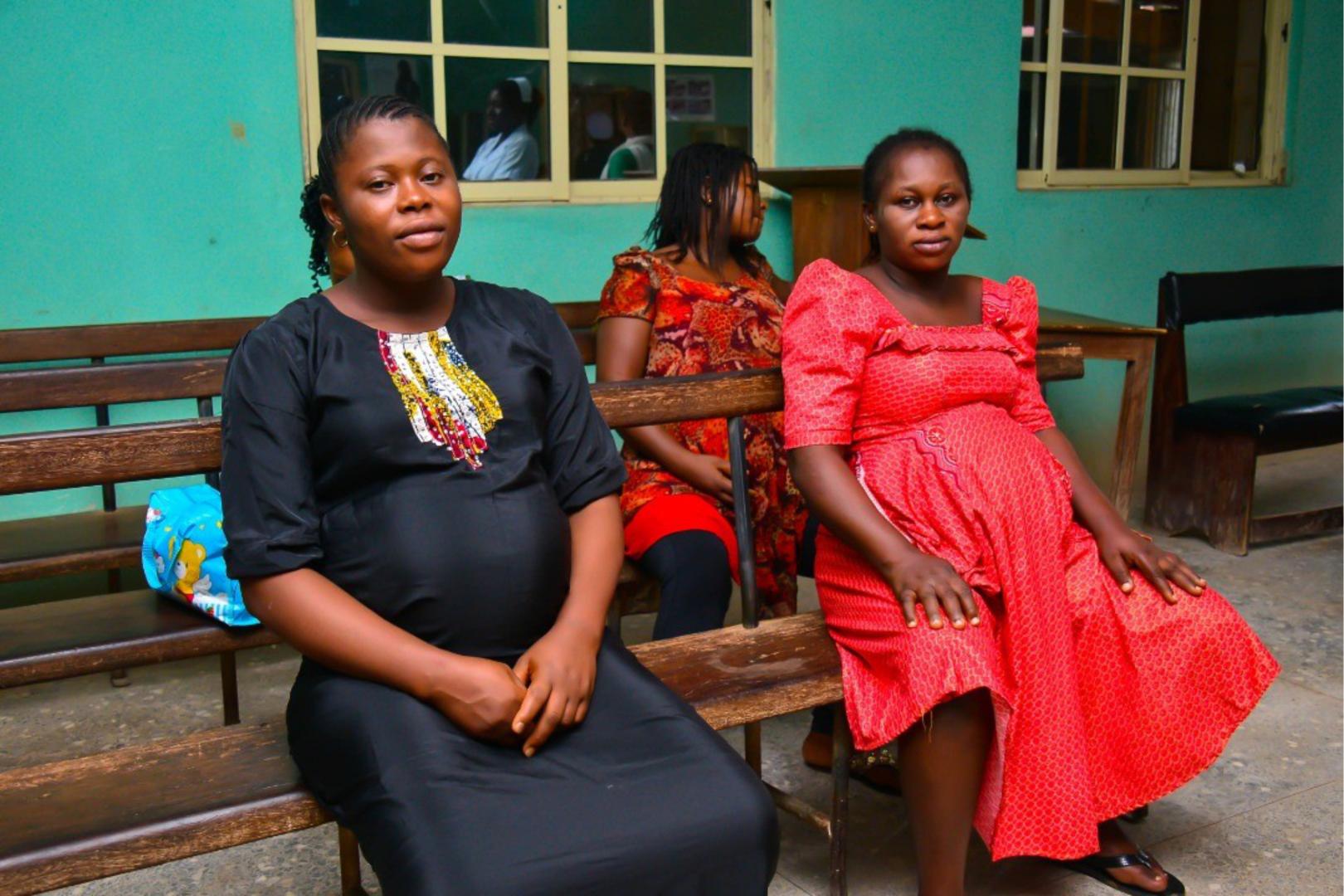
A Consultant Obstetrician and Gynaecologist at Federal Medical Centre, Abeokuta, Dr. Saheed Jimoh, has said that delayed antenatal registration continues to undermine efforts to prevent avoidable maternal and newborn deaths.
He disclosed that some pregnant women present at hospitals when life-threatening pregnancy complications have set in.
PUNCH Healthwise reports that Nigeria accounts for 34 per cent of maternal deaths in the world, with the NDHS 2018 pegging the maternal mortality rate at 512 per 100,000 live births.
During a recent Media Roundtable Dialogue on Evidence-Based Health Reporting and Public Discourse, the Lagos State Primary Health Care Board raised concerns over late antenatal registration in the state.
The LSPHCB said that many pregnant women still present for care after 20 weeks, exposing them to avoidable complications.
“One of the issues the media can help us with is that mothers don’t come early to register for pregnancy. Most times, they come in after 20 weeks, and there are so many complications that can arise from that,” the LSPHCB’s Head of Monitoring and Evaluation, Abioye Amodu, said.
Speaking in an exclusive interview with PUNCH Healthwise, Jimoh described antenatal care as a critical period during which healthcare providers assess a pregnant woman’s health, identify risks, and ensure a safe pregnancy and delivery.
He explained that antenatal care revolves around what he described as the four Ps and one D, which means prevention, promotion, planning, preparation, and detection.
According to him, antenatal care helps prevent pregnancy-related complications, promotes health education, prepares women for delivery, facilitates birth planning and enables the early detection of diseases such as hypertension, diabetes, HIV, hepatitis B, and sickle cell disease.
“It is important to register early so that some of these things are identified early. We can detect them early. We can start our preparation and planning as early as possible. We can prevent some of these disease conditions before they even start showing up, and we can begin planning ahead,” he said.
The gynaecologist lamented that many women still present late, by which time some complications have become irreversible.
“So, for women who register late or begin antenatal care late, that’s when you discover that some of these complications have already started before they even register. The lack of antenatal care or late antenatal registration is worrisome and challenging for us. Most often, the damage would already have been done for something that is highly preventable,” he stated.
Giving examples, Jimoh said, “Some women register very late, and you find out that the baby is already not growing properly. That’s what we call intrauterine growth restriction. Some people register for antenatal care when the baby is already dead. That’s what we call intrauterine foetal demise or foetal death.
“Some people register for antenatal care when premature labour is already imminent, and you cannot prevent it again, whereas some of these things could have been prevented if they had registered early.”
He added that delayed presentation also places mothers at serious risk, saying some women arrive at health facilities only after developing pregnancy-induced hypertension, severe pre-eclampsia, gestational diabetes or even convulsions associated with eclampsia.
“Some also present very late after they have already developed what we call gestational diabetes or even full-blown diabetes, and that would have affected the baby in a very bad and risky way. At that point, you might not be able to do much again because some of these conditions are preventable.
“You can imagine somebody with a medical condition like sickle cell disease, kidney disease, thyroid disease, or heart disease registering for antenatal care very late. The damage would have been done before they present to us,” he said.
The gynaecologist further expressed concern that some women have their first contact with skilled healthcare providers only when labour has already commenced.
“In fact, some women are seen for the very first time when they come in labour for delivery, and you don’t even know their history. You have no idea whether they are HIV-positive, whereas they could have started taking drugs to prevent transmission of HIV from the mother to the baby.
“Some are seen for the first time at delivery when the baby is already in a state of distress. Some women are seen for the first time in labour when the baby is too big and cannot even come out. Some are seen in labour for the first time when the baby is not in a good position to come out or is not rotating well. So, usually, the outcome is not always good when a woman registers for antenatal care late or when there is a lack of antenatal care,” he added.
The maternal health expert attributed delayed antenatal registration to several factors, including poverty, long distances to health facilities, poor awareness, cultural beliefs, unplanned pregnancies, overconfidence from previous uncomplicated deliveries and shortages of healthcare workers.
According to him, some women deliberately conceal their pregnancies because of cultural beliefs that early disclosure could expose them to spiritual attacks, while others delay seeking care because they cannot afford the associated costs.
He also noted that workforce shortages caused by the migration of healthcare professionals have affected access to antenatal services in some areas.
To address the challenge, Jimoh urged governments to strengthen health education, expand access to health facilities, recruit more healthcare workers and improve health insurance coverage to reduce out-of-pocket spending on antenatal care.
“We should strengthen health insurance and make antenatal care free for everybody. I conducted a study on out-of-pocket spending among antenatal patients, and you would be amazed at the amount of money people spend on each antenatal visit—from transportation to the hospital, scans, laboratory tests, consultation, drugs and transport back home. All these expenses add up,” he said.
In an earlier interview, the second Vice President of the Society of Gynaecology and Obstetrics of Nigeria, Prof Christopher Aimakhu, urged pregnant women to start antenatal care between six and eight weeks.
This, he said, would help reduce the risks of complications, promote a healthy pregnancy experience, and improve health outcomes for both mother and child.
According to him, as soon as a woman misses her period and takes a pregnancy test to confirm the pregnancy, she should, without delay, consult a gynaecologist.
Aimakhu said, “We advise all pregnant women to book at least after the second missed period. This means that, if your period comes now and you miss it in four weeks and by the time you miss it the second time, which will now be eight weeks, you should book by then.”
Giving further insight into the benefits of early ANC registration, the maternal and foetal medicine expert said, “Early registration ensures early counselling on what to do in pregnancy and the drugs to be taken. If you book too late, the brain and the neural tubes may have been formed, and you don’t want those congenital abnormalities to occur.
“When a woman starts early, she is placed on drugs, hematinics (nutrients that help the body produce red blood cells), and she is effectively monitored to prevent complications. The advantage of antenatal preventive therapy is to ensure that the woman is fine, watch for problems, and treat them.”
Copyright PUNCH
All rights reserved. This material, and other digital content on this website, may not be reproduced, published, broadcast, rewritten or redistributed in whole or in part without prior express written permission from PUNCH.
Contact: [email protected]