

The Association of Community-Based Organisations for Malaria Control, Immunisation and Nutrition on Tuesday called on the Gombe State Government, local government authorities, private sector operators and philanthropists to take ownership of community-led health interventions to sustain gains recorded in malaria, tuberculosis and HIV/AIDS control beyond donor funding.
The association warned that the anticipated close-out of the Global Fund Grant Cycle 7 must not result in a reversal of improvements achieved in healthcare delivery, particularly among underserved and vulnerable communities.
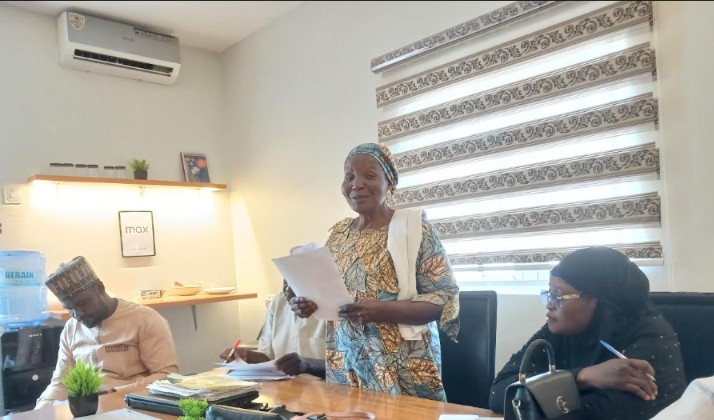
The Gombe State Chairperson of ACOMIN, Hassana Maisanda, made the call while presenting a brief at a media meeting on the Global Fund-supported Integrated Community-Led Monitoring Project being implemented by civil society organisations in the state.
Speaking on the theme, ‘Sustaining Community-Led Monitoring Achievements Beyond Donor Funding’, Maisanda said government investment, domestic resource mobilisation and sustained community participation were critical to protecting the gains recorded through the intervention.
She explained that community-led Monitoring had enabled residents to identify gaps in healthcare delivery, engage relevant authorities and demand improvements in access, quality and accountability across HIV, tuberculosis and malaria services.
According to her, the intervention has contributed to improved healthcare infrastructure, access to potable water and electricity, provision of essential medical equipment, and stronger collaboration between healthcare providers and communities.
Providing figures on domestic resource mobilisation, Maisanda disclosed that community-led interventions generated contributions valued at approximately N1.7bn across 13 states between 2019 and 2022.
She said contributions across 25 states and the Federal Capital Territory amounted to N657,864,950 between 2023 and 2025, while 13 states recorded N379,245,034.83 in 2026.
In Gombe, she listed the achievements to include renovation of healthcare facility roofs, construction of toilets, provision of water, procurement of blood pressure monitoring equipment and engagement of technical and non-technical volunteers to support healthcare delivery.
She added that advocacy efforts had also helped secure the return of a healthcare facility seized by the police, while community sensitisation had increased patronage of health facilities.
Maisanda, however, stressed that such achievements would only endure if government translated community-generated evidence into concrete policies, budgetary provisions and timely interventions.
She urged state and local governments to prioritise the rehabilitation of healthcare facilities, provision of essential medicines and equipment, recruitment of health personnel and improvement of water and electricity supply.
She also called for stronger accountability mechanisms that would compel relevant government agencies to respond to identified service-delivery gaps and provide feedback to affected communities.
The ACOMIN chairperson urged traditional and religious leaders, civil society organisations and community-based organisations to sustain monitoring activities, document challenges and engage decision-makers.
She maintained that community participation should complement rather than replace the government’s responsibility to adequately finance and deliver quality healthcare.
In his remarks, ACOMIN Programme Officer, Samuel Chuwang, expressed concern over delays in the submission of activity reports by community-based organisations, warning that poor documentation could undermine programme accountability and sustainability.
Chuwang disclosed that only 10 of the expected 18 reports had been submitted, despite the reporting deadline having elapsed on November 3.
He said, “Today is the 17th. I only have just about 10 reports. Where are the eight? I am still waiting.”
He explained that the latest implementation activity was scheduled to last six days, beginning on November 3, but some organisations had yet to submit their reports despite completing their activities.
The programme officer urged executive directors to take responsibility for reviewing reports and ensuring that submissions met the required standards.
He also directed the organisations to establish or strengthen community monitoring committees before exiting their areas of implementation to ensure continuity of the intervention.
According to him, the organisations are expected to submit a template detailing the committees established, including the names and contact details of their chairpersons, to facilitate subsequent engagement and follow-up.
He said the initiative was designed to ensure that communities could continue monitoring healthcare services and engaging relevant authorities after the withdrawal of donor-supported activities.
Also speaking, the Programme Manager of the Gombe State Malaria Elimination Programme, Ubayo Ali, highlighted the state’s efforts to prevent malaria among pregnant women through the distribution of preventive medication.
Ali said the government procured sulfadoxine-pyrimethamine for distribution to pregnant women through healthcare facilities and community-based channels.
He explained that non-state actors and trained community members were also engaged to distribute the preventive medication to pregnant women beyond conventional health facilities.
In his contribution, the Executive Director of Bearing in Mind Initiative, Isa Ishaku, commended ACOMIN and the Global Fund for their contributions to malaria control in Gombe.
Ishaku said the intervention had strengthened the fight against malaria through sustained community mobilisation and advocacy.
He urged fellow executive directors of community-based organisations to demonstrate greater commitment to programme implementation and maintain discipline in their engagement with programme officers.
He also raised concerns about the conduct of some participating organisations, particularly regarding allowances provided for programme activities, urging stakeholders to uphold accountability and professionalism.
Similarly, the Executive Director of Helping Hands and Supportive Initiative, Bola Adejumo, called for stronger integration of HIV, tuberculosis and malaria interventions, stressing that community-based organisations needed more technical knowledge to deliver effectively across the three disease areas.
Adejumo said capacity building should go beyond advocacy and mobilisation to equip organisations with practical knowledge of the different health interventions.
She specifically called for training on tuberculosis treatment protocols, including Directly Observed Treatment, Short-course, and improved understanding of HIV interventions.
She said, “There is a need for capacity building and technicality in TB and HIV that goes beyond just advocacy and mobilisation.”
Adejumo argued that strengthening the institutional and technical capacity of community-based organisations was essential to ensuring that they could continue delivering services even when external funding ended.
She urged ACOMIN to consider the specific capacity needs of participating organisations and support them to develop sustainable structures that would enable them to operate independently.
She added that community-based organisations should also return to communities where they had previously implemented interventions to assess progress and follow up on identified challenges.
The stakeholders maintained that sustaining the gains of community-led monitoring would require stronger government ownership, adequate domestic financing, institutional accountability and empowered community organisations.
Copyright PUNCH
All rights reserved. This material, and other digital content on this website, may not be reproduced, published, broadcast, rewritten, or redistributed in whole or in part without prior express written permission from PUNCH.
