



By Ayoola Olasupo
Diseases are harmful conditions that negatively affect the structure or function of the body or mind.
They are characterised by specific signs, symptoms, and biological disturbances that disrupt normal health and well-being.
A disease can interfere with how organs, tissues, or body systems function and may be caused by infections from bacteria, viruses, fungi, or parasites, or genetic factors inherited from parents.
Also, poor lifestyle habits such as unhealthy diets, smoking, or lack of exercise can also be causal factors.
Other causes include environmental factors like pollution or unsafe water, as well as nutrient deficiencies and abnormal body functions.
Diseases vary depending on their nature. Mental health disorders are considered forms of disease because they affect emotions, thinking, and behaviour. Examples include depression and anxiety.
Common signs of disease include fever, pain, weakness, cough, vomiting, and unusual changes in the body. Proper hygiene, healthy living, vaccination, and early medical care can help prevent many diseases.
The United States Centres for Disease Control and Prevention stated that infectious disease outbreaks require urgent investigations, surveillance, and coordinated responses to protect lives and reduce transmission.
According to the World Health Organisation, a disease outbreak occurs when the number of disease cases rises above what is normally expected within a particular area or population. Recent outbreaks across different parts of the world have shown how quickly diseases can spread when healthcare systems are overwhelmed.
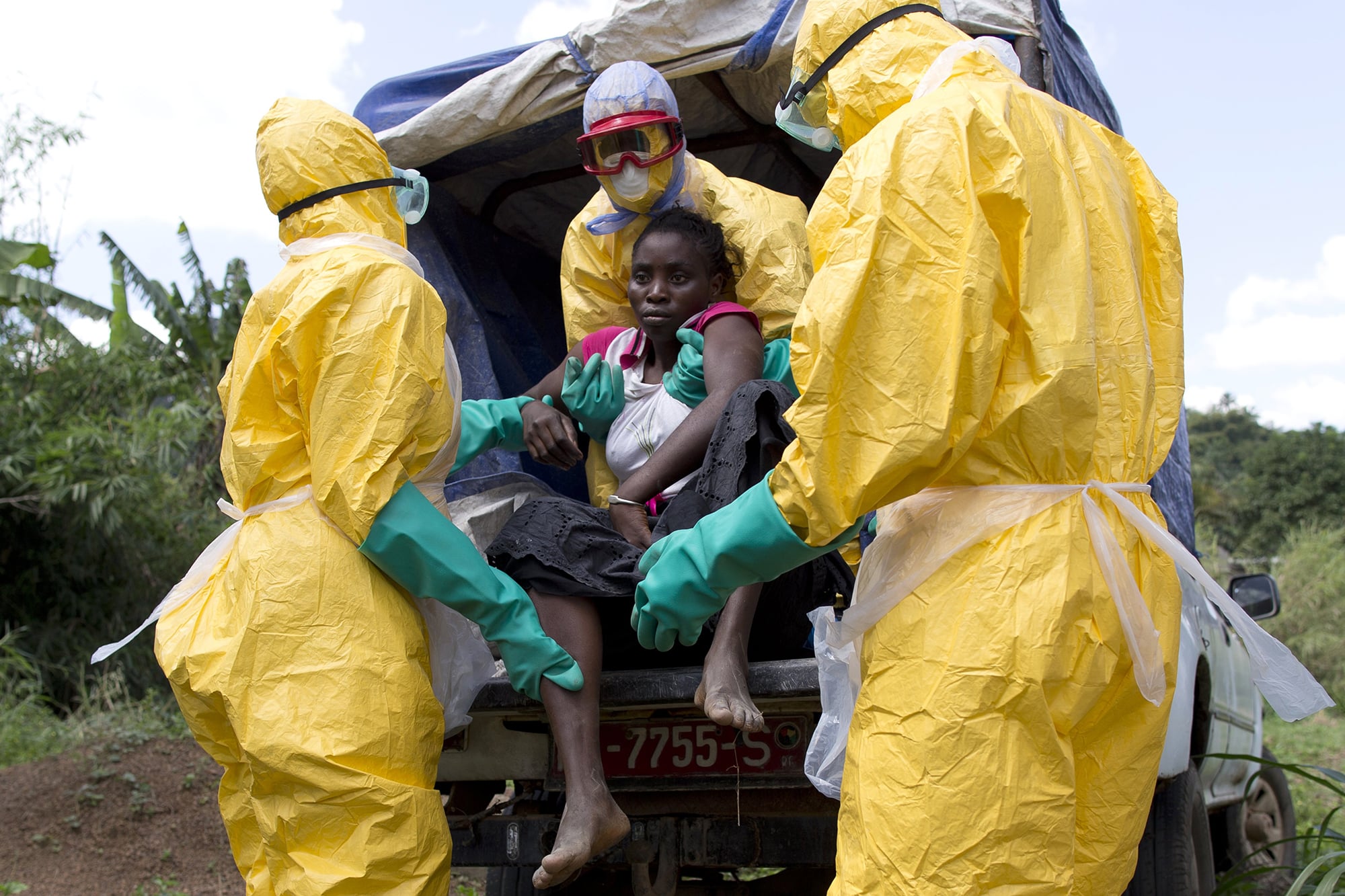
For instance, in May 2026, the WHO declared the Ebola outbreak in the Democratic Republic of the Congo and neighbouring Uganda a global public health emergency after hundreds of suspected cases and deaths were recorded.
Disease outbreaks can also have devastating social and economic consequences beyond their direct health impact.
Schools may close, businesses may shut down, and already vulnerable communities often suffer the most. During outbreaks, fear and misinformation can spread rapidly, making public awareness and trust in health authorities essential.
Experts, however, have identified five important things to do during a disease outbreak.
Strict personal hygiene
A public health expert, Dr Tunde Akintunde, explained that proper hygiene is one of the most effective ways to prevent the spread of infectious diseases during an outbreak, as regular handwashing with soap and clean water helps remove germs picked up from surfaces, objects, or contact with infected persons.
The physician said many disease-causing organisms enter the body through the mouth, nose, or eyes, and clean hands significantly reduce the risk of infection and community spread.
He said, “Personal hygiene is one of the most effective and immediate ways to protect oneself and others. Many infectious diseases spread when germs are transferred from contaminated surfaces or infected individuals to the mouth, nose, or eyes. Regular handwashing with soap helps remove these harmful microorganisms before they enter the body and cause infection.”
Avoid self-medication
Akintunde also warned against treating illnesses without medical guidance during outbreaks. According to him, self-medication can mask symptoms, delay proper diagnosis, or worsen illnesses through incorrect drug use.
“During an outbreak, it is dangerous to rely on self-medication because it can delay proper diagnosis and worsen the condition. Many diseases have similar early symptoms, so only trained health professionals can accurately identify the illness and provide the right treatment. Early hospital visits also help health workers detect and isolate cases quickly,” he added.
Isolation from infected persons
The physician further explained that separating infected individuals from healthy ones is another important public health strategy during outbreaks because it helps break the chain of transmission.
“By keeping infected persons away from others, the chain of transmission is interrupted, reducing the number of new infections. Isolation can be done at home or in healthcare facilities, depending on the severity of the disease, and it plays a critical role in protecting families, workplaces, and entire communities,” he said.
Take vaccines
An Epidemiologist, Dr Aisha Maiyaki, advised individuals to take vaccines because they strengthen the body’s immune system and help it recognise and fight specific diseases more effectively.
According to her, vaccinated individuals are less likely to become infected, and if they do, the illness is usually less severe.
“Individuals should take vaccines because they help the body build immunity against diseases, making it less likely to become infected or develop severe symptoms. During outbreaks, vaccination campaigns can reduce the number of new cases and control the spread of disease. People should therefore prioritise vaccination,” Maiyaki added.
Cooperate with health guidelines
The epidemiologist noted that the success of controlling disease outbreaks largely depends on public compliance with health guidelines.
She said preventive measures such as wearing face masks, maintaining physical distance, and reporting symptoms early play important roles in limiting the spread of infection.
Copyright PUNCH
All rights reserved. This material, and other digital content on this website, may not be reproduced, published, broadcast, rewritten, or redistributed in whole or in part without prior express written permission from PUNCH.
Contact: [email protected]