




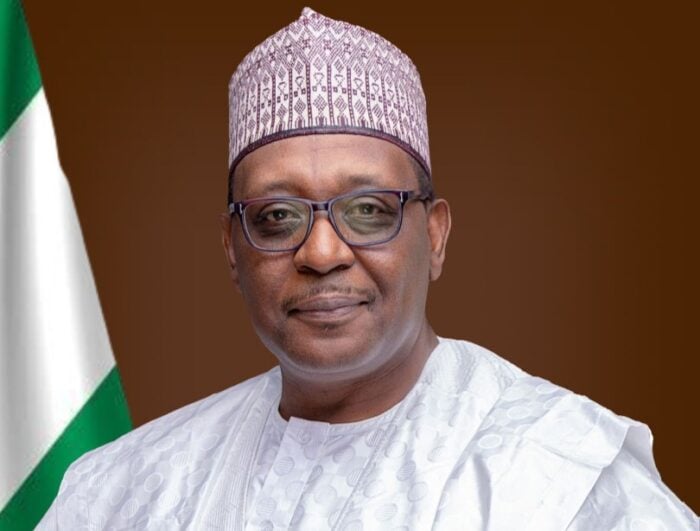
The Federal Government says it has revitalised 3,526 primary healthcare centres across the country, while health insurance enrolment has increased from about 16 million to nearly 24 million Nigerians under its ongoing health sector reforms.
The Permanent Secretary of the Federal Ministry of Health and Social Welfare, Daju Kachollom, disclosed this at the 10th Annual Conference of the Association of Nigeria Health Journalists in Abuja on Thursday.
She said 900 additional primary healthcare facilities were undergoing revitalisation, while 12 of the 13 tracked health indicators had improved under the Nigeria Health Sector Renewal Investment Initiative.
Speaking on the theme, “NHSRII: From Policy to Tangible Impact,” Kachollom said all 41 presidential health sector commitments had been achieved.
In a press release by the ministry, Kachollom also disclosed that skilled deliveries in participating health facilities increased from 4.8 million in 2023 to 7.9 million by mid-2026.
She noted that maternal deaths declined by 17 per cent and newborn deaths by 12 per cent in 172 high-burden local government areas between 2023 and 2025.
The stated further read, “She stated that 3,526 primary healthcare centres had been revitalised, with 900 additional facilities undergoing revitalisation. Skilled deliveries in participating facilities increased from 4.8 million in 2023 to 7.9 million by mid-2026, while maternal deaths declined by 17 per cent and newborn deaths by 12 per cent in 172 high-burden local government areas between 2023 and 2025.
“The Permanent Secretary further disclosed that measles and rubella vaccination had reached 100 million children, more than 17 million girls had received the HPV vaccine, and health insurance enrolment had increased from approximately 16 million to nearly 24 million Nigerians.
“She added that States had increased their combined health budgets from ₦1.97 trillion in 2023 to over ₦3.3 trillion in 2026, while ten factories and manufacturing lines had been commissioned to strengthen local production of essential health commodities.”
Despite the reported progress, the permanent secretary identified childhood stunting, the cost and quality of healthcare, inadequate distribution of health workers and low health insurance coverage as persistent challenges.
She also expressed concern over limited reporting on the implementation of resolutions of the National Council on Health, warning that government commitments must translate into measurable action.
“A resolution that is never implemented is just another announcement,” she said.
Kachollom urged health journalists to independently verify government claims, monitor the implementation of health sector commitments and report the actual impact of reforms on Nigerians.
She also called on the media to promote evidence-based health reporting, counter misinformation and raise public awareness about antenatal care, immunisation, health insurance, hypertension, diabetes and other public health priorities.
The permanent secretary highlighted Nigeria’s hosting of the fifth Global High-Level Ministerial Conference on Antimicrobial Resistance, scheduled for December 6 to 8, 2026, urging journalists to sustain public awareness about responsible antibiotic use and the dangers of self-medication.
She said key health sector data, including the primary healthcare functionality dashboard and Joint Annual Review scorecard, were publicly accessible, while efforts were ongoing to strengthen the District Health Information Software 2 as Nigeria’s unified national health data platform.
Earlier, the President of ANHEJ, Joseph Kadiri, pledged that the association would strengthen accountability in the health sector by tracking public investments, monitoring policy implementation and reporting their impact on citizens.
Kadiri said health journalism should go beyond reporting government policies and commitments to examining actual delivery, identifying implementation gaps and amplifying the experiences of vulnerable populations.
He offered the association’s partnership to the Basic Health Care Provision Fund gateways and the Ministerial Oversight Committee, proposing field visits to states to document progress, challenges and the impact of health investments.
He said the success of health sector reforms should be measured by improved access to quality healthcare, reduced maternal and child deaths, functional primary healthcare facilities, affordable medicines and better health outcomes.
In separate goodwill messages, representatives of Corporate Accountability and Public Participation Africa, the Nigerian Cancer Society, Africa Health Budget Network and the Institute of Human Virology Nigeria commended ANHEJ for its contribution to health advocacy, public awareness and accountability.
The Nigerian Cancer Society, represented by Ambassador Chukuma Mathew Ogbonnaya, called for cancer prevention, early detection, diagnosis, treatment, palliative care and survivorship support to be prioritised in the health sector reform agenda.
The society also called for sustainable financing, accessible screening and treatment services, stronger referral systems and equitable access to quality cancer care.
The Africa Health Budget Network, represented by its Systems Strengthening Lead, Khadija Hamid Bobboyi, advocated increased domestic health investment and stronger accountability for health projects.
The Institute of Human Virology Nigeria, represented by Dr Victoria Igbinomwanbia, urged journalists to uphold professionalism, independence, accuracy and ethical responsibility in reporting health research, scientific developments and public health policies.
Copyright PUNCH
All rights reserved. This material, and other digital content on this website, may not be reproduced, published, broadcast, rewritten, or redistributed in whole or in part without prior express written permission from PUNCH.