




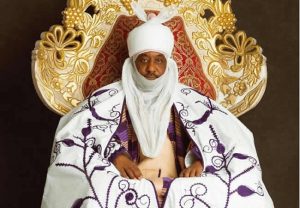


Super Eagles of Nigeria defeated Egypt national football team at the 2025 Africa Cup of Nations to secure the bronze medal…
The Confederation of African Football (CAF) decision to apply its disciplinary regulations to the AFCON final involving Senegal and Morocco has sparked widespread debate, Soccernet.ng reports.
However, this decision has no bearing on the final standing of the Nigeria national football team.
Nigeria finished third at the tournament, and despite the controversy of CAF’s ruling, that position remains unchanged.

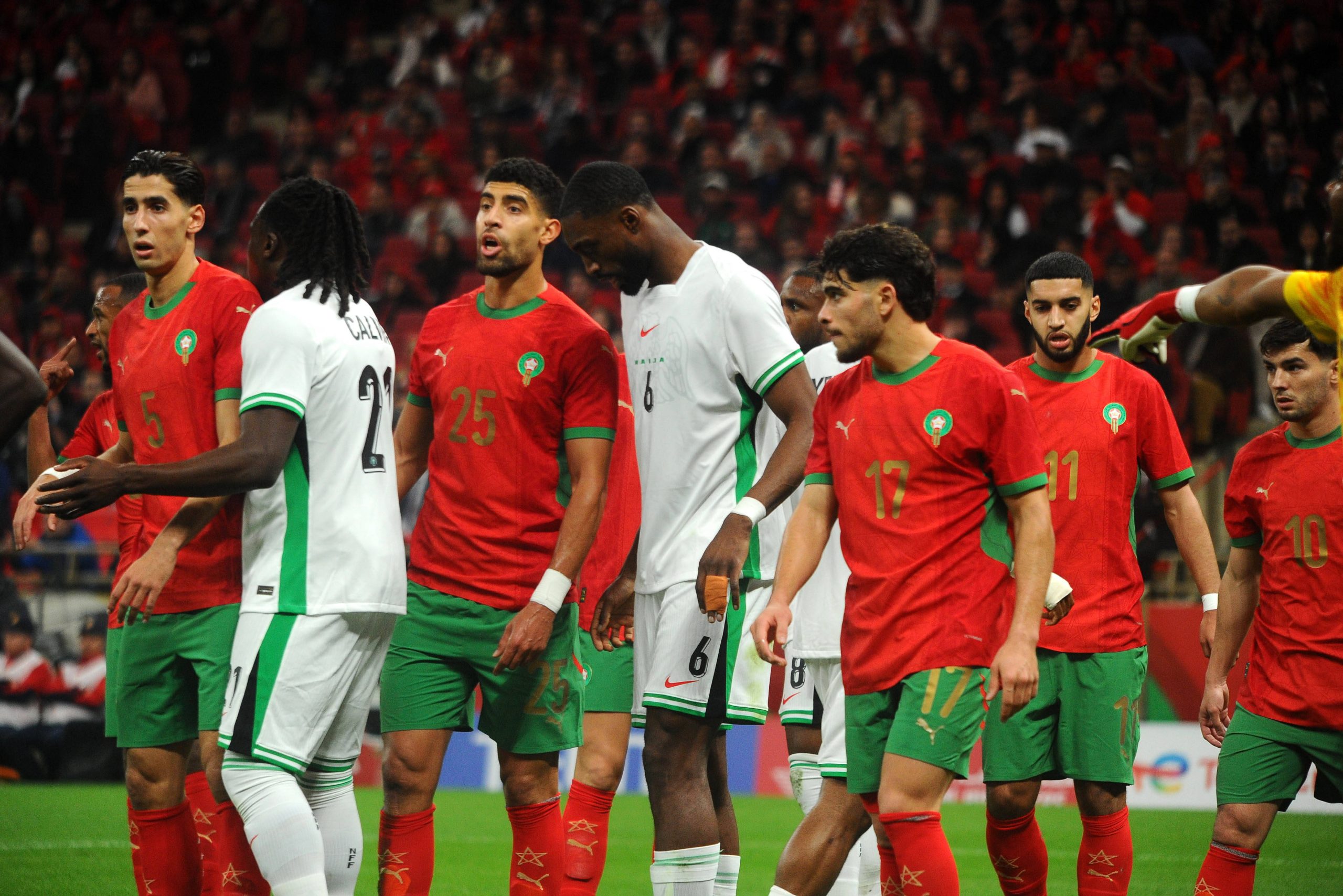
The scope of CAF’s ruling
CAF’s decision is anchored in Articles 82, 84 and 85 of its regulations, which govern situations where a team refuses to continue a match or leaves the field of play without authorisation.
Under these provisions, such an action results in a forfeiture, with the offending team deemed to have lost the match 3–0, alongside the possibility of further sanctions.
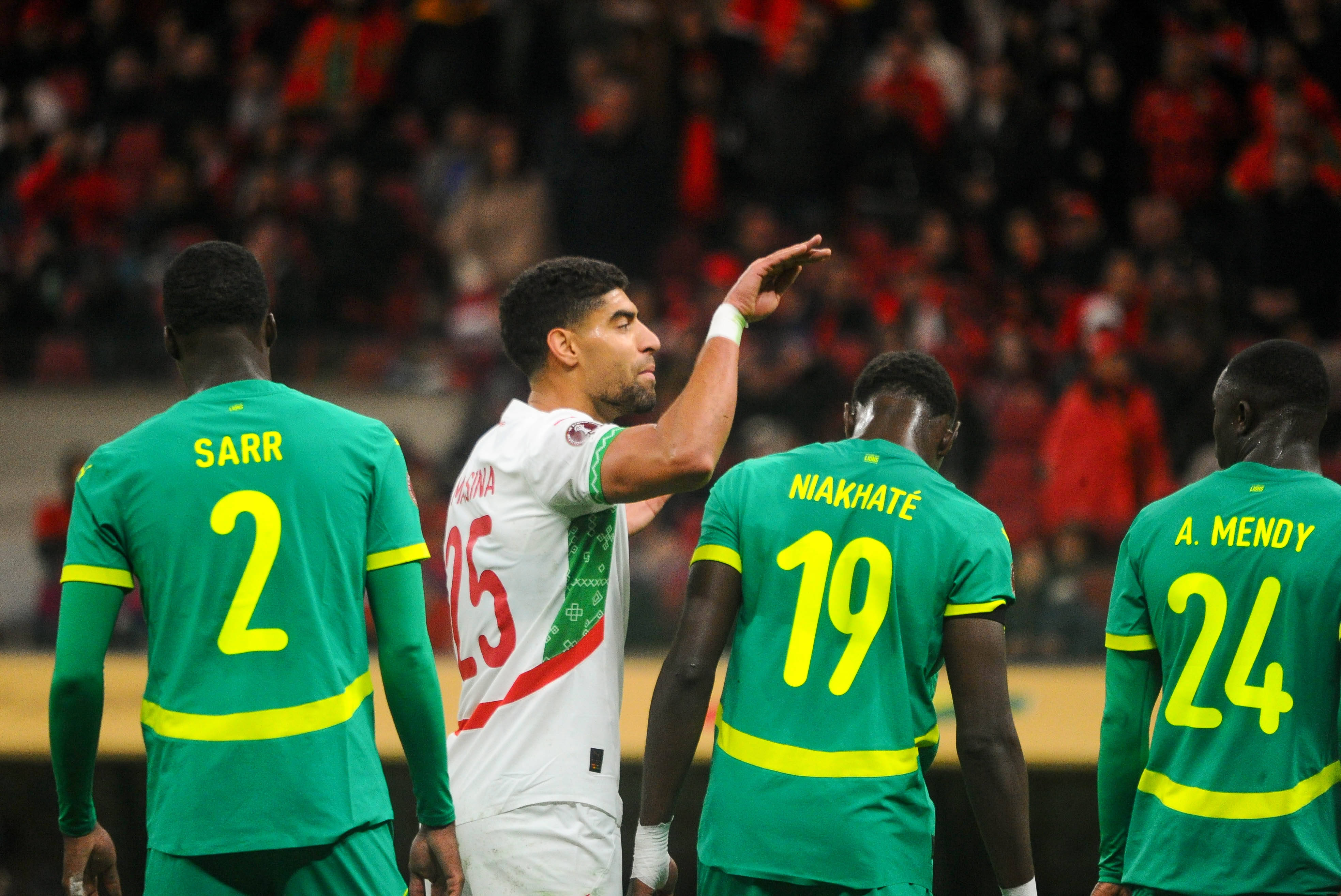

In this instance, the Appeal Board determined that the breach occurred during the final. As a result, the ruling applies strictly to that match alone and does not trigger a broader review of the competition.
There is no regulatory provision that allows CAF to retrospectively alter earlier results or recalculate the tournament standings.
Nigeria’s results remain unaffected
Before the controversy surrounding the final emerged, Nigeria had already concluded its campaign. The Super Eagles were eliminated at the semi-final stage following a penalty shootout defeat to Morocco, before responding with a composed performance against Egypt to secure the bronze medal.
CAF’s ruling does not revisit or invalidate any of those fixtures. The governing body’s jurisdiction in this case is limited to the final, and no other matches have been subjected to disciplinary review. Without a formal protest or a proven regulatory breach tied to Nigeria’s games, those results remain final and binding.
Why Super Eagles cannot move up the standings
The structure of knockout tournaments further explains why Nigeria cannot benefit from the decision. Progression and final rankings are determined by the outcome of individual matches at each stage, rather than by a cumulative table that can be adjusted after the fact.
Even if one of the finalists is sanctioned, it does not create a pathway for a semi-finalist to be elevated. Morocco are recognised as a winner following the forfeiture ruling, while Senegal face the consequences of the decision tied specifically to the final. Nigeria’s third-place finish exists independently of that process and cannot be upgraded retrospectively.
No financial impact on the Super Eagles
CAF’s prize money model reinforces this position. Financial rewards are allocated based on the stage a team reaches, with all semi-finalists receiving the same amount regardless of whether they go on to finish third or fourth.
Any financial implications arising from the ruling apply only to the finalists, particularly in relation to the redistribution of prize money between Morocco and Senegal. Nigeria’s earnings from the tournament remain unchanged, as they are not linked to the outcome of the final.

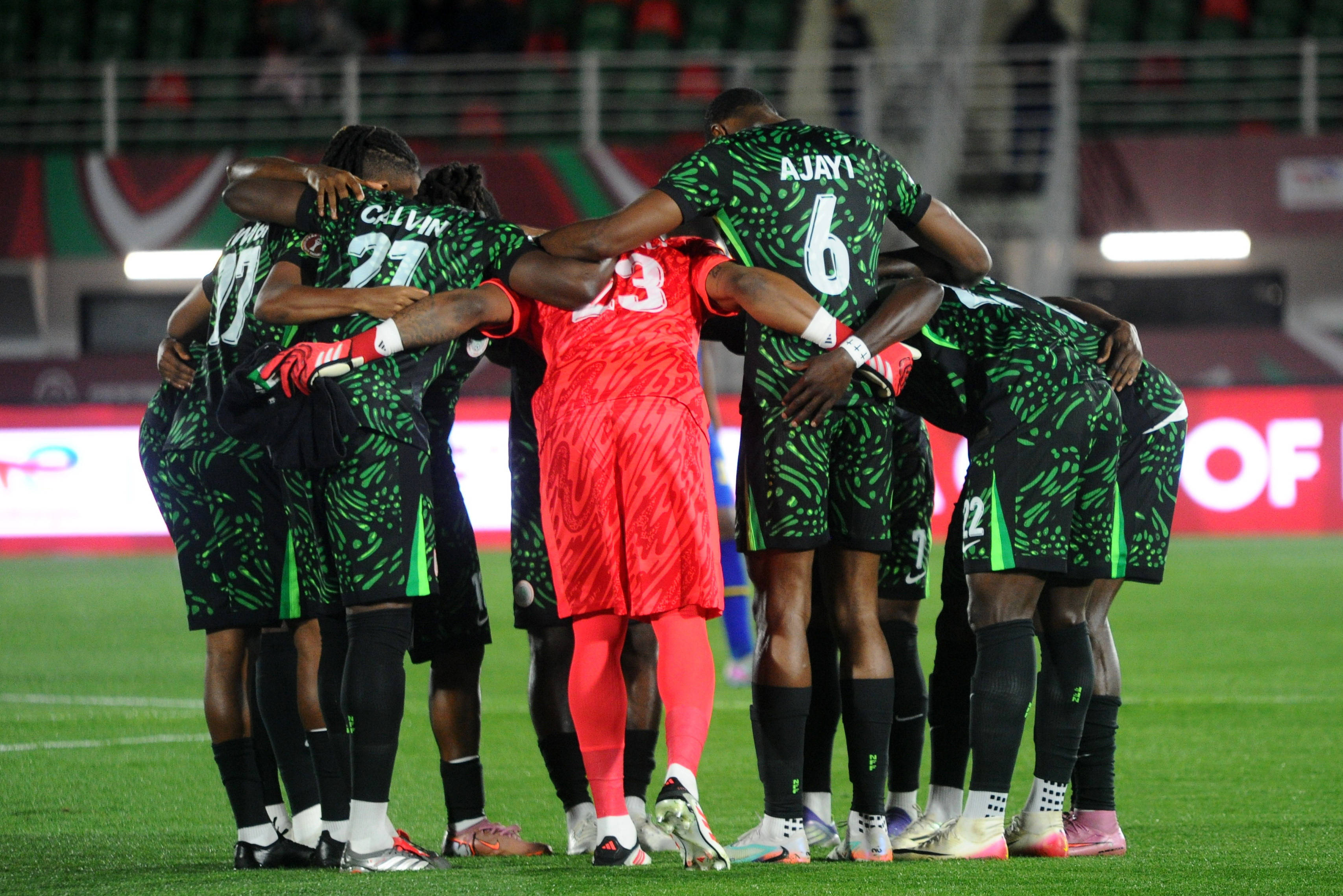
A disciplinary ruling, not a refereeing review
Although the tournament featured moments of controversy, CAF’s decision is not a judgement on officiating standards. Instead, it is a narrow application of rules governing team conduct.
The ruling does not reopen discussions about refereeing decisions in earlier matches, including Nigeria’s semi-final defeat, nor does it provide any legal basis for those outcomes to be challenged after the competition. The focus remains solely on whether the regulations were breached during the final.
What it means for Nigeria
For Nigeria, the implications are clear and limited. Their third-place finish stands as recorded, their results remain valid, and their financial rewards are unaffected.
While CAF’s ruling reshapes the official outcome of the final, it does not extend beyond it. The Super Eagles gain no competitive or financial advantage from the decision, leaving their focus firmly on future tournaments rather than any retrospective change to AFCON 2025.

