



The Executive Secretary of UN Climate Change, Simon Stiell, has warned that the ongoing global energy crisis, driven by fossil fuel dependence, is worsening economic pressures and posing serious risks to public health and livelihoods worldwide.
Speaking at the opening of the Petersberg Climate Dialogue in Berlin on Tuesday, Stiell said rising fossil fuel costs are fuelling inflation, weakening economies, and limiting governments’ ability to respond to critical sectors such as healthcare and food systems.
He noted that the situation, worsened by global conflicts, is placing billions of people under economic strain, with implications for access to basic needs, including nutrition, clean energy, and health services.
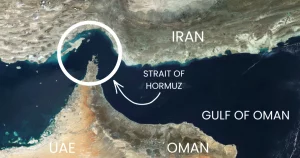
“These are perilous times. This latest war has further locked in much higher fossil fuel costs for months and likely years to come, delivering a gut punch to every nation and billions of households.
“Fossil fuel-driven stagflation is now stalking economies, driving up prices, driving down growth, pushing budgets deeper into quagmires of debt, and stripping away governments’ policy options and autonomy,” Stiell said.
The UN climate chief stressed that climate cooperation and a transition to clean energy are critical to reducing both economic and health vulnerabilities.
“Clean energy offers security and affordability, returning sovereignty to nations and their peoples. The need to accelerate action has never been clearer, and that demands every tool at our disposal.”
Stiell emphasised that while global climate negotiations have delivered key commitments, including progress made during COP28, the focus must now shift to implementation.
“Now, in this era of implementation, we must turn them into projects on the ground by breaking down global targets into achievable chunks, matching them with solutions, and delivering.”
He warned that failure to act swiftly could worsen environmental and health crises, particularly in developing countries where access to resources remains limited.
Highlighting priority areas, Stiell said strengthening food systems, reducing emissions, and improving early warning systems are essential to protecting lives and ensuring health security.
“Climate-resilient food supplies and cutting waste are critical to putting affordable food on the table for billions of households and driving down greenhouse gases.
“Early warning systems save lives on a huge scale, while action on food and agriculture has the potential to cut a third of global emissions.”
Stiell also called for increased financial support for developing countries, noting that equitable climate action is key to reducing global disparities.
“Far more finance must flow into developing countries, and climate multilateralism must meet the moment we are in.”
The dialogue, which convenes ministers from over 40 countries, is expected to shape discussions ahead of future global climate negotiations, including the next global stocktake under the Paris Agreement framework.
He urged countries to intensify collaboration and accelerate climate action, warning that delays would deepen both environmental and socio-economic challenges.
“As every nation declared, Paris is working, and together we will make it go further and faster. This work is key to doing so. Let’s get on with the job,” Stiell added.
Copyright PUNCH
All rights reserved. This material, and other digital content on this website, may not be reproduced, published, broadcast, rewritten, or redistributed in whole or in part without prior express written permission from PUNCH.