



The Nigeria Centre for Disease Control and Prevention has increased the number of primary contacts being monitored over the country’s confirmed Ebola case to 53, including 44 people linked to the health facility where the patient was treated, as investigations expand to an emergency room she visited earlier.
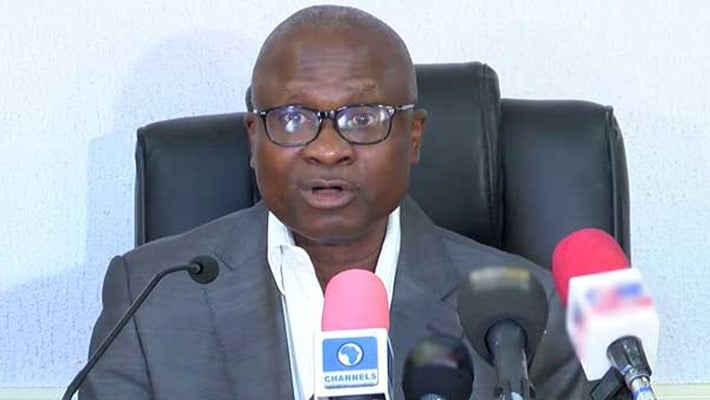
The Director-General of the NCDC, Dr Jide Idris, disclosed this on Sunday while providing an update on the contact-tracing exercise, explaining that health officials were also identifying secondary contacts to establish the extent of possible exposure and prevent further transmission.
The latest figure represents an increase from the 44 contacts initially announced by the Federal Government following confirmation of the Ebola case in the Federal Capital Territory on October 20.
The World Health Organisation had earlier reported that the patient, a woman who recently travelled from Uganda, developed symptoms on October 7 and sought medical attention on October 11 before her infection was confirmed.
Idris said the agency had identified nine additional primary contacts outside the group of 44 associated with the health facility. These include three household members of the patient and people who attended to her at an emergency room before she arrived at the facility where Ebola was subsequently confirmed.
He said, “As of now, we have 53 primary contacts. Of these, 44 are people from that health facility where the patient was treated.”
The NCDC boss explained that contact tracing was not limited to people who had direct interactions with the patient, as investigators were also seeking to identify people who might have subsequently been exposed through those already listed.
“For each person, we are going to ask questions. We have to establish who they have been in contact with. If we can identify those people, they will also be monitored,” he said.
According to Idris, the patient’s medical history revealed that she had visited an emergency room before arriving at the facility where the Ebola infection was eventually confirmed.
He said the agency had begun tracing people who attended to her during the earlier visit, adding that three people who provided care to the patient at the emergency room were among the additional contacts identified.
The investigation also covers healthcare personnel involved in collecting samples from the patient, highlighting the importance of infection prevention and control procedures during the management of suspected cases.
Idris said the agency was working to strengthen infection prevention and control measures in health facilities, while acknowledging the need to improve preparedness and expertise at the state and local levels.
“When our infection prevention and control teams visit a facility, they assess the systems in place and identify areas that need to be corrected,” he said.
He added that the NCDC had continued training healthcare personnel in infection prevention and control, describing capacity building as essential to preventing further transmission.
“Capabilities and competencies at the subnational level are not as high as they should be. We are responsible for building those capabilities. That is why training is one of our most important priorities,” Idris said.
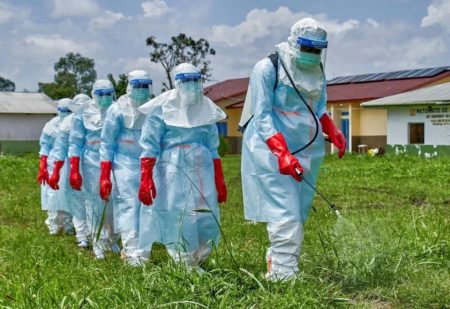
The agency said contacts without symptoms would be monitored, including through temperature checks, while anyone developing symptoms would require immediate assessment and appropriate intervention.
The contact-tracing exercise forms part of Nigeria’s response to the confirmed case of Ebola disease caused by the Bundibugyo virus, a strain associated with the ongoing multi-country outbreak in Central and East Africa.
The Federal Government has urged public and private healthcare facilities to maintain a high level of suspicion, promptly isolate suspected cases, observe infection prevention protocols and report suspected infections to public health authorities.
The WHO has emphasised that rapid identification of cases, effective contact tracing and strict infection prevention and control measures are critical to containing the outbreak and protecting healthcare workers and communities.
Copyright PUNCH
All rights reserved. This material, and other digital content on this website, may not be reproduced, published, broadcast, rewritten or redistributed in whole or in part without prior express written permission from PUNCH.
Contact: health_wise@punchng.