


Deborah Tolu-Kolawole
More than 900 suspected Ebola cases have been identified in the conflict-hit Democratic Republic of Congo, the World Health Organisation chief has said.
“As surveillance efforts have been scaled up in the #DRC #Ebola response, more than 900 suspected cases have been identified so far, including 101 confirmed cases,” WHO Director-General Tedros Ghebreyesus said in a social media post that gave no update on the death toll.
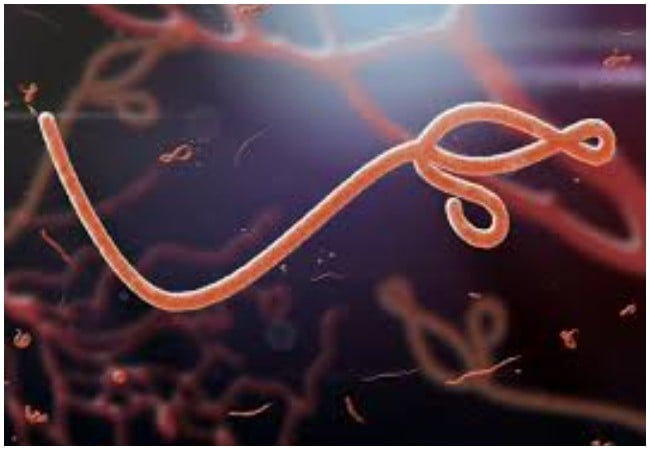
Ebola is a deadly viral disease that spreads through direct contact with bodily fluids. It can cause severe bleeding and organ failure.
The country declared an outbreak on May 15 caused by the Bundibugyo strain, which has no approved vaccine or treatments.
In a previous update released on Saturday, the DR Congo health ministry said 204 deaths had been recorded in three provinces of the vast central African country, from 867 suspected cases.
Ebola has killed more than 15,000 people across Africa in the past half-century.
Ebola Virus Disease is a severe and often fatal illness transmitted through direct contact with infected blood, bodily fluids, secretions or contaminated materials.
Symptoms include fever, weakness, headache and muscle pain. Health experts say the disease does not spread through the air.
Recently, Nigeria raised an alarm over the disease.
Nigeria’s latest alert revives memories of the country’s successful containment of Ebola in 2014 after an infected Liberian-American diplomat, Patrick Sawyer, arrived in Lagos from Liberia.
The outbreak led to 20 confirmed cases and eight deaths before health authorities succeeded in stopping further transmission through aggressive contact tracing, isolation measures and public awareness campaigns.
Nigeria’s response at the time was widely praised by the World Health Organisation and has since been regarded as one of Africa’s most effective epidemic containment efforts.
The current regional concern follows renewed Ebola outbreaks in parts of Central and East Africa, particularly in Uganda and the DRC, where health authorities continue to battle recurring viral haemorrhagic fever outbreaks amid cross-border movement and fragile health systems.
Public health experts have repeatedly warned that increased global travel and porous borders continue to pose significant risks for countries across Africa, including Nigeria, despite improved disease surveillance systems established after the COVID-19 pandemic and previous outbreaks of Ebola, monkeypox and Lassa fever.
Copyright PUNCH
All rights reserved. This material, and other digital content on this website, may not be reproduced, published, broadcast, rewritten, or redistributed in whole or in part without prior express written permission from PUNCH.