

Angela Onwuzoo
Fertility experts and advocates have called for a shift in how treatment for infertility is approached, stressing that IVF failures should not be viewed solely as medical outcomes but as emotionally traumatic experiences that require psychological support for affected couples.
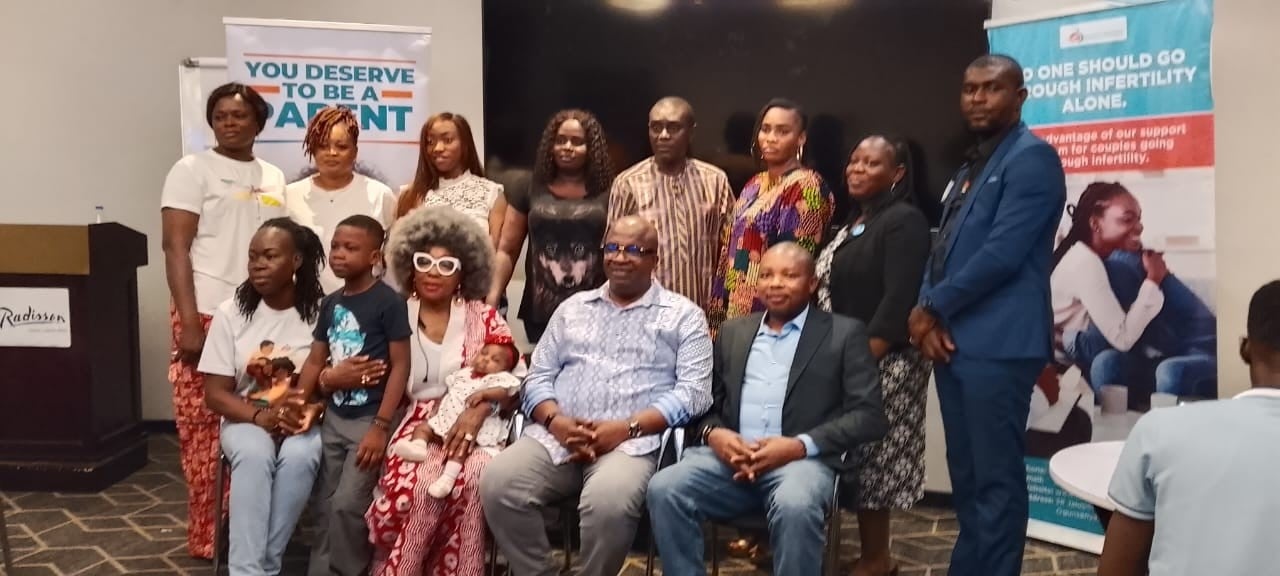
This was the focus of the fertility awareness programme organised by the Fertility Awareness Advocate Initiative (FAAI), with technical support from Nordica Fertility Centre, Lagos, which attracted couples who had experienced both successful and failed IVF cycles.
The event brought together psychologists, fertility specialists and couples experiencing infertility to confront one of the least discussed realities of reproductive health, the emotional toll of failed IVF cycles and the solutions available to help couples cope and try again.
FAAI, a support-focused non-profit organisation, said the programme was designed to confront the painful realities of IVF failures while highlighting practical solutions for intending parents. The programme was also aimed at restoring a sense of power, hope and belonging to couples navigating fertility challenges.
Speaking, the Vice President of FAAI, Mrs Vivian Patrick, said infertility treatment, particularly IVF, is emotionally, physically and financially draining.
“The fertility journey is not a simple one. It is a journey I have been through, and one that thousands have gone through. That is why we came together to provide warmth, support and a shoulder to lean on,” she said.
Patrick explained that FAAI is a growing support group made up of individuals who have experienced successful IVF cycles, multiple failures or are still waiting. She said the group focuses on breaking deep-rooted cultural myths around infertility, providing counselling and improving public understanding of assisted reproductive technologies.
Explaining why IVF failure was placed in the spotlight, Patrick said it remains a critical but under-discussed issue in Nigeria due to high treatment costs, limited access, late presentation and stigma, all of which discourage many couples from seeking help early.
“FAAI believes that discussing IVF failures openly helps couples understand that setbacks are not the end of the road but part of a larger journey with multiple options. Many people know the options exist, but accepting and trusting them is another challenge,” she said.
She stressed that awareness, counselling and realistic expectations are essential in navigating failed cycles and preparing for next steps. Patrick also shared an emotional account of a man who won a free IVF cycle during a raffle draw at an FAAI event held earlier in Abuja.
“He had been discouraged after multiple failed attempts and almost skipped the event. He sat looking sad, recounting how draining the process had been — the cost, the failures and the disappointment. Then his number, 12, was called, and the room erupted. It felt like hope came alive again,” she said.
Patrick added that the winning number coincided with her birthday, December 12, making the moment deeply personal. “I know it will end in joy,” she said confidently.
She further urged Nigerians to discard myths surrounding IVF-conceived children. “There is nothing wrong with IVF children. My seven-year-old son was born through IVF. He is brilliant, handsome and outspoken — perfect in every way,” she said.
Patrick said FAAI would continue to push for awareness, regulatory compliance and community-based support to ensure that no couple walks the fertility journey alone. She noted that FAAI membership is open to individuals or couples who have undergone treatment at Nordica Fertility Centre, whether successful or not, with counselling, peer support and advocacy among the benefits.
Psychological support after IVF failure
Addressing the participants, clinical psychologist Mr Pillot Gbolahan described infertility as one of the most misunderstood and underestimated emotional burdens in Nigeria.
“Society treats childbearing as automatic, something that should happen immediately after marriage. But when months turn into years, the questions begin. Aunts ask, ‘How far?’, neighbours whisper, and families assume the problem lies with either the husband or wife. These questions may sound casual, but they cut deep,” he said.
Gbolahan described IVF failure as a form of grief. “Couples mourn not only the loss of a pregnancy, but also the loss of hope, identity, control and sometimes dignity,” he said.
Citing research, he said about 50 per cent of people undergoing infertility treatment experience significant emotional distress, while depression affects between 15 and 24 per cent, and anxiety rates reach as high as 28 per cent.
“These figures represent real people, couples feeling inadequate, ashamed or fearful that their lineage might end with them. In Africa, the pressure is even greater because women are often blamed, while men suffer silently,” he said.
He warned that infertility can strain even strong marriages through emotional exhaustion, communication breakdowns and repeated disappointment, especially when psychological support is excluded from treatment plans.
Role of stress
Gbolahan explained that chronic stress can interfere with fertility treatment outcomes by releasing hormones that reduce IVF success rates.
“One of the most stressful periods is the 10 to 14-day wait after embryo transfer. Twenty-four hours suddenly feels like 96. People search their bodies for symptoms, test too early out of fear, and the emotional tension becomes enormous,” he said.
He advised couples to practise open communication, shared responsibility and healthy coping habits such as proper sleep, exercise and relaxation.
“Men must be actively involved. Fertility treatment is not a woman’s journey alone,” he stressed, adding that couples experiencing persistent sadness, anxiety or thoughts of self-harm should seek immediate psychological help.
“Seeking help is an act of strength, not weakness,” he said.
Counselling and IVF
Also speaking, fertility counsellor Mrs Precious Balogun said infertility should not be seen as a private shame but as a medical condition with available solutions.
“IVF failure is grief. Just because there was no baby to hold does not mean there was no baby to mourn,” she said.
She described the emotional turmoil many couples experience during the waiting period after embryo transfer, noting that fear, panic and uncertainty often dominate those days.
“You are not broken. You did not fail. Infertility is not your fault,” she told participants.
Balogun stressed that counselling is not optional but a critical part of assisted reproductive treatment, guiding patients before, during and after IVF.
“For many couples, counselling becomes the only safe space where they can cry without shame and ask questions without fear,” she said.
She highlighted how IVF can strain marriages, noting that men also face silent fears related to semen quality, family pressure and expectations to remain strong.
“Without counselling, couples may drift into blame and resentment. Counselling teaches communication, joint decision-making and emotional understanding,” she said.
Balogun added that counselling also helps couples process past trauma from miscarriages and failed cycles, make informed decisions about donor options, and cope emotionally whether cycles fail or succeed.
Why IVF cycles fail
In a presentation titled Why IVF Cycles May Fail, a fertility specialist with Nordica Fertility Centre, Dr Victor Ajayi, explained the complex science behind the procedure.
“Some cycles are better done frozen than fresh. When hormone levels are too high, immediate transfer reduces success rates. Freezing embryos and returning in a calmer cycle can improve outcomes,” he said.
Ajayi explained that conditions such as endometriosis can disrupt implantation and require delayed transfer after medical treatment.
He noted that IVF is often seen as a last hope, and when it fails, it can be devastating. “Even in the best centres worldwide, IVF can fail. Eggs and sperm must be of good quality, embryos must be genetically normal, and the womb must be receptive. Even when everything looks perfect, implantation may not occur,” he said.
Due diligence
The Medical Director and Chief Executive Officer of Nordica Fertility Centre, Lagos, Dr Abayomi Ajayi, urged couples to conduct proper research before choosing IVF centres.
“Don’t rely on casual sources. Ask questions, cross-check facts and demand clarity. Experience matters in medicine,” he said.
Continuing, he said, “Don’t give anyone the right to control your life. Science depends on integrity — that is how reliable information is obtained. It is better to search based on evidence, not just opinion. That is why you need to understand what real research looks like. Investigate, do not accept information blindly, and never take anything as 100 per cent proven without checking.
“I usually tell clients this: your right as a patient is to ask questions, even if they seem silly. If you don’t, you are not being fair to yourself. No matter the question, ask. Even if you are unsure, cross-check.”’
Ajayi advised patients to seek evidence-based care and not surrender control of their lives to misinformation or unverified claims.
“When in doubt, ask the doctor. Without reliable guidance, the path to parenthood through IVF can be overshadowed by confusion, fear and mistrust. The goal of the process is to have a child at the end of the journey. If you lose focus on that goal and begin chasing other things, you may not get the desired result. When you start forcing the little things — trying to micromanage or push too hard — it becomes counterproductive”, he said.
He reminded participants that IVF failure does not mark the end of the road but underscores the need for emotional healing, resilience and guided support.
Copyright PUNCH
All rights reserved. This material, and other digital content on this website, may not be reproduced, published, broadcast, rewritten, or redistributed in whole or in part without prior express written permission from PUNCH.
Contact: health_wise@punchng.
