

Crypto Stablecoins might be about to rewrite part of the US debt story. New research from Standard Chartered says the sector could drive up to $1T in fresh demand for US Treasury bills by 2028.
As stablecoin issuers grow, they are expected to become major buyers of government debt, turning digital dollars into a serious force in traditional finance.
Key Takeaways
- $2 Trillion Trajectory: Analysts project the total stablecoin market capitalization will surge to $2 trillion by the end of 2028, up from roughly $300 billion today.
- Treasury Scarcity: Issuers are expected to absorb approximately $1 trillion in short-term T-bills, creating a potential supply shortfall without Treasury adjustments.
- Regulatory Drivers: The GENIUS Act framework mandates high-quality liquid assets for reserves, forcing issuers to concentrate holdings in the 0-3 month debt sector.
Why Are Stablecoins Becoming a Financing Powerhouse?
Stablecoins are no longer just trading tools. They are turning into steady buyers of US government debt. After the GENIUS Act passed in July 2025, regulated issuers are required to hold reserves in high quality liquid assets, mainly short dated Treasuries.
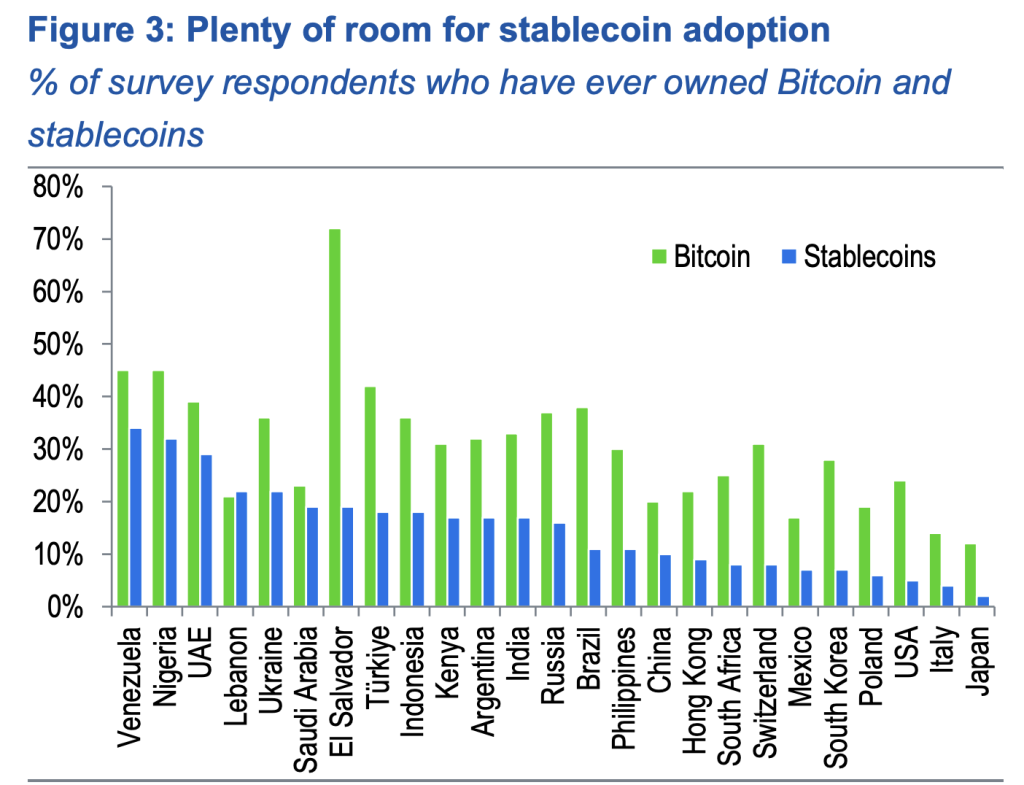
Supply is sitting near $300B today. Standard Chartered sees the recent slowdown as temporary and expects strong growth ahead, especially from emerging markets.
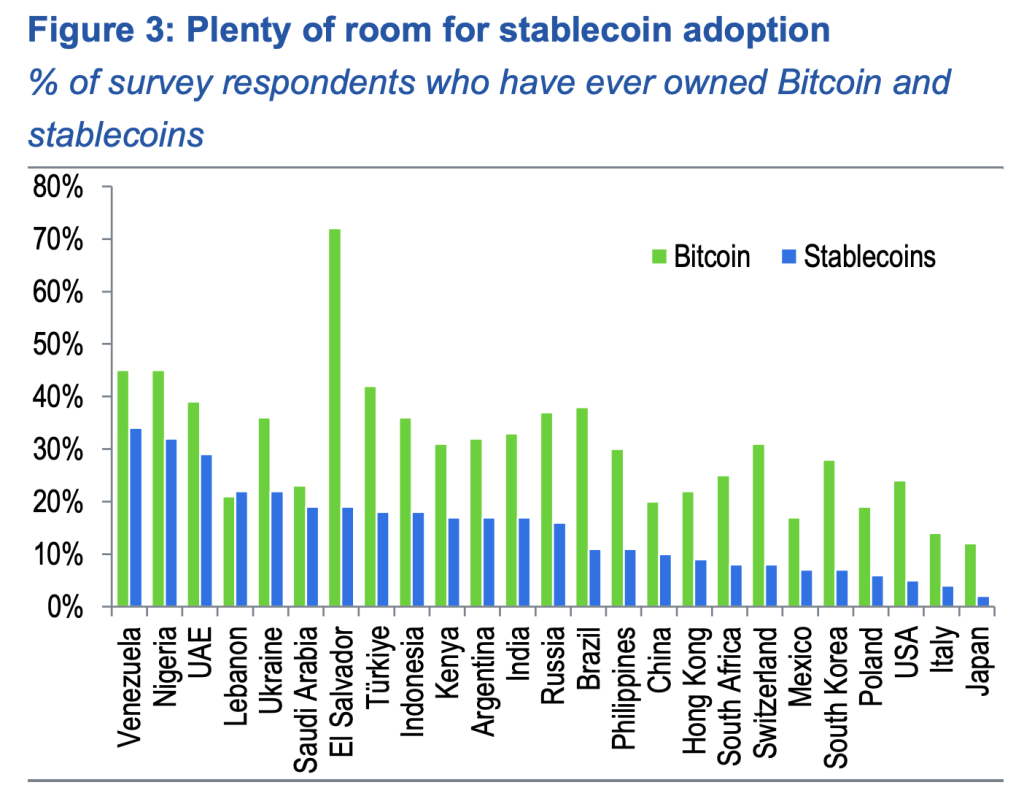
As people in high inflation countries move into dollar stablecoins, the backing reserves flow straight into US debt. Crypto demand supports Treasury markets in the background.
Breaking Down the $1 Trillion Projection
Standard Chartered analysts Geoffrey Kendrick and John Davies broke down the mechanics.
They expect stablecoins to grow toward a $2T market cap by 2028. That expansion alone could create $0.8T to $1T in new demand for short dated Treasury bills, mainly at the front end of the yield curve.

In simple terms, stablecoin issuers may become some of the biggest buyers of T-bills. If issuance patterns stay the same, the report suggests around $0.9T in excess demand over the next three years.
About two thirds of that growth is projected to come from emerging markets. And most of it would be net new demand, not just a reshuffling of existing Treasury allocations.
That is a serious structural bid forming under US debt.
Implications for U.S. Debt Issuance
The scale is big enough that the US Treasury cannot ignore it.
If issuance does not adjust, short dated T bills could become tight. Treasury Secretary Scott Bessent has already hinted that stablecoins may become an important part of financing the US government.
It creates a two way benefit. The dollar strengthens its role in digital markets, and the government gains a steady buyer for its debt.
But tighter integration means tighter oversight. As new stablecoin rules advance, coordination between private issuers and public debt management will only grow.
Innovation is happening around different collateral models, yet Treasuries still sit at the center for regulatory approval.
Discover: Here are the crypto likely to explode!
The post Could Stablecoins Fix U.S Debt? Standard Chartered Sees $1T in Treasury Demand appeared first on Cryptonews.
