

Chika Otuchikere
A coalition of women and civil society groups in Niger State has called for compulsory genotype testing for intending couples as part of efforts to reduce the prevalence of sickle cell disease in the country.
The groups, the Medical Women’s Association of Nigeria, Niger State Chapter, and a coalition of civil society organisations, made the call on Monday during a sensitisation campaign to mark the 2026 World Sickle Cell Day.
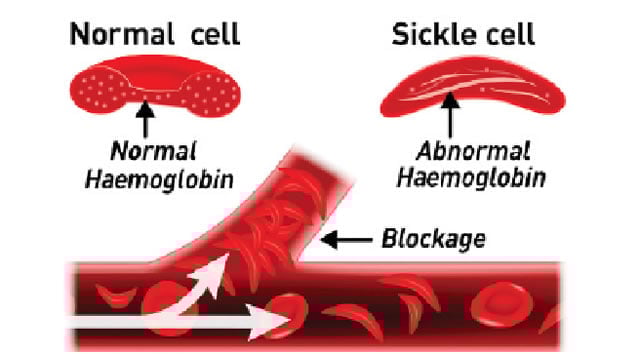
A Consultant Paediatrician at the General Hospital, Minna, Dr Aisha Musa, described sickle cell disease as a hereditary blood disorder affecting millions of people globally.
“The condition occurs when both parents who are carriers of the sickle cell gene pass it on to their unborn children during pregnancy,” she said.
“Individuals living with the disorder often experience recurrent painful crises, anaemia, infections, and other health complications that can affect their daily lives, sometimes leading to untimely death.
“The importance of genotype screening before marriage cannot be overemphasised. Informed decisions could help prevent the birth of children with sickle cell disorder,” she added.
A representative of the civil society coalition, Mrs Hasana Joan Kpetu, urged parents to ensure that affected children receive regular medical check-ups, proper nutrition, adequate hydration, and adherence to prescribed medications to prevent complications.
The Coordinator of Non-Communicable Diseases at the Minna General Hospital, Dr Kudirat Abdulganiyu, also noted that sickle cell disease remains one of the major health challenges affecting young people in the country.
In his remarks, the District Head of Mekunkele, Minna, Alhaji Suleiman Dada, assured organisers of continued support and urged community members to serve as advocates in spreading awareness about the condition.
Stakeholders further called on government at all levels, health institutions, religious organisations and community leaders to sustain awareness campaigns and strengthen support systems for persons living with sickle cell disease through improved access to healthcare and social inclusion.
Copyright PUNCH
All rights reserved. This material, and other digital content on this website, may not be reproduced, published, broadcast, rewritten or redistributed in whole or in part without prior express written permission from PUNCH.
Contact: [email protected]
