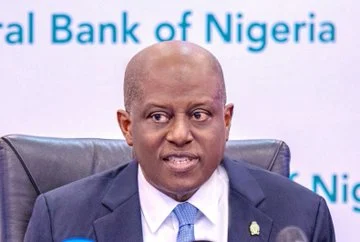





The Central Bank of Nigeria (CBN) has announced plans to release an implementation roadmap for Open Banking within the next three months, a move aimed at closing technical gaps in the country’s financial ecosystem and accelerating innovation in the fintech sector.
Background: From Framework to Roadmap
- In February 2021, the CBN issued the Open Banking Framework, setting principles for secure data sharing across banks and payment providers.
- Operational guidelines followed in 2023, covering API standards, data access requirements, and information security protocols.
- Despite this, adoption has been slow due to technical challenges, prompting the regulator to prioritize rollout of protocols and governance structures.
What the Roadmap Will Cover
According to the CBN Fintech Report 2025, the roadmap will:
- Establish technical standards for APIs and data exchange.
- Define governance structures and dispute resolution mechanisms.
- Launch consumer awareness campaigns to build trust in open banking.
- Initiate industry sensitisation through a Fintech Engagement Forum.
The plan is structured in phases:
- Phase 1 (0–3 months): Roadmap release, technical scoping for a Single Regulatory Window, and smart licensing gateway.
- Phase 2 (3–9 months): Pilot of Regulatory Sandbox 2.0 (including AI and RegTech), guidance on data portability, and bilateral talks on regulatory passporting with Ghana, Kenya, and Senegal.
- Phase 3 (9–18 months): Institutionalisation, creation of a Fintech Advisory Council, and alignment with ECOWAS and AU regulatory norms.
Why It Matters
- A recent survey shows 25% of Nigerian fintech executives view open banking APIs as the most critical infrastructure for future growth.
- Globally, open banking has become a benchmark for innovation, with the EU’s Revised Payment Services Directive (PSD2) inspiring adoption in Australia, Brazil, and Canada.
- For Nigeria, open banking promises to:
- Improve transparency and consumer trust.
- Spur competition among banks and fintechs.
- Enable regional expansion, with 62.5% of Nigerian fintechs planning cross-border growth.
Regional and Domestic Implications
- Regulatory Passporting Programme: CBN plans mutual licence recognition agreements with Ghana, Kenya, and South Africa to ease compliance for Nigerian fintechs expanding abroad.
- Digital Banking Licence: Instead of expanding Payment Service Bank mandates, CBN will introduce a dedicated licence for digital banks to deliver credit and savings services to underserved populations.
- AI for Security: With 87.5% of fintechs already using AI for fraud detection, the regulator sees artificial intelligence as a critical safeguard for financial integrity.
Broader Context
Nigeria’s fintech reforms come on the heels of its exit from the FATF “grey list”, a milestone that CBN believes will boost investor confidence and reduce reputational risks linked to financial crime.
Bottom Line
The Open Banking roadmap represents a pivotal step in modernising Nigeria’s financial system. By setting clear technical standards, strengthening governance, and encouraging regional integration, the CBN aims to position Nigeria as a leader in Africa’s digital finance revolution while ensuring consumer protection and trust remain at the core.