


The CAF Champions League stands as the flagship of African club football, showcasing the finest clubs on the continent, as Soccernet.ng reports.
Under the current format, clubs from across the continent qualify and compete in two preliminary rounds. However, some top-ranked teams bypass these initial stages by virtue of their standing in CAF’s rankings.
These two preliminary rounds trim the field down to 16 teams. Afterward, the remaining clubs are divided into four groups of four for the competition proper.
This is typically when the tournament truly begins, ensuring that only the absolute best clubs advance to the latter stages.

In recent years, however, there has been a growing clamour for the competition to expand, which would introduce a larger group stage.
The current format heavily restricts the tournament, ensuring that only a select few teams and fans get to experience the CAF Champions League.
This contrasts sharply with other confederations, such as CONMEBOL, which features 32 teams in the Copa Libertadores, and Europe, which boasts 36 clubs in the UEFA Champions League.
Expanding the tournament would allow more African clubs to feature, earn higher revenues, and experience football at the highest continental level, ultimately promoting the growth of football across the continent.
How NPFL Clubs Can Benefit from a CAF Champions League Expansion
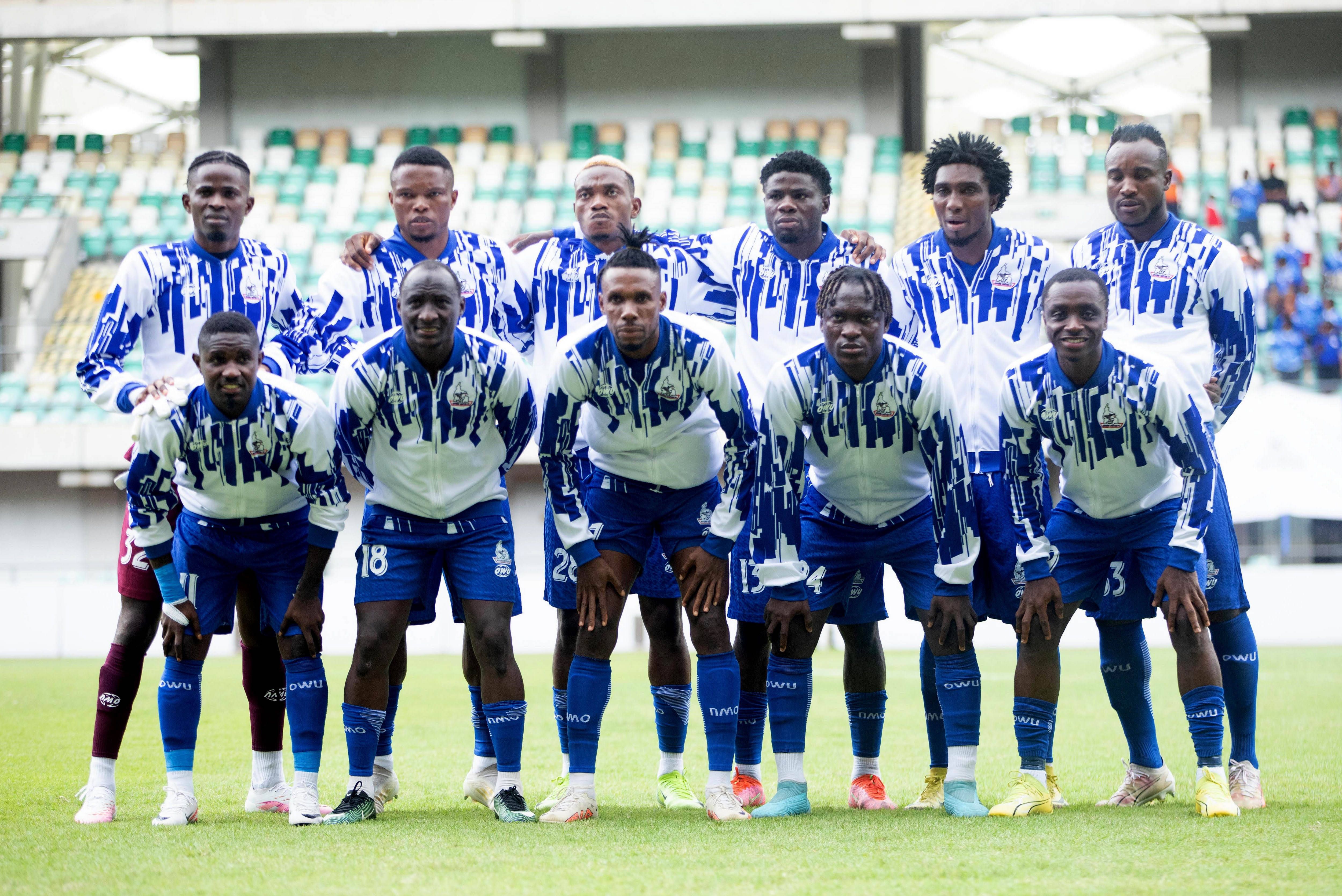
The Nigeria Premier Football League used to rank among the finest leagues on the continent during the 1990s and early 2000s. Former champions Enyimba of Aba famously won the competition back-to-back in 2003 and 2004, but no Nigerian team has lifted the trophy since.
At present, only two teams from the NPFL qualify for the preliminary stage of the CAF Champions League: the league champion and the runner-up.
Despite this, these representatives have consistently struggled to reach the group stages. Remo Stars failed to advance in recent seasons, while Rivers United struggled to make headway.
The last NPFL team to reach the CAF Champions League knockout rounds was Enyimba in 2011, and Nigerian clubs have largely struggled on the continent since then.

While the NPFL currently holds only two slots, an expanded format would likely reward Nigeria with additional berths. This increase would naturally elevate the level of competition within the domestic league, allowing more clubs to participate and generate greater financial revenue.
With additional continental tickets up for grabs, the race for top finishes in the NPFL would intensify dramatically. Clubs would be forced to heavily invest in better infrastructure, technical staff, and player welfare to secure those lucrative continental spots, raising the overall standard of domestic football.
In addition, participation in a larger group stage or expanded league phase guarantees significantly higher broadcast revenues, gate receipts, and prize monies from CAF.
For NPFL clubs perpetually hamstrung by tight budgets, this influx of capital would be transformative, allowing them to retain top talent rather than losing them prematurely to foreign leagues.
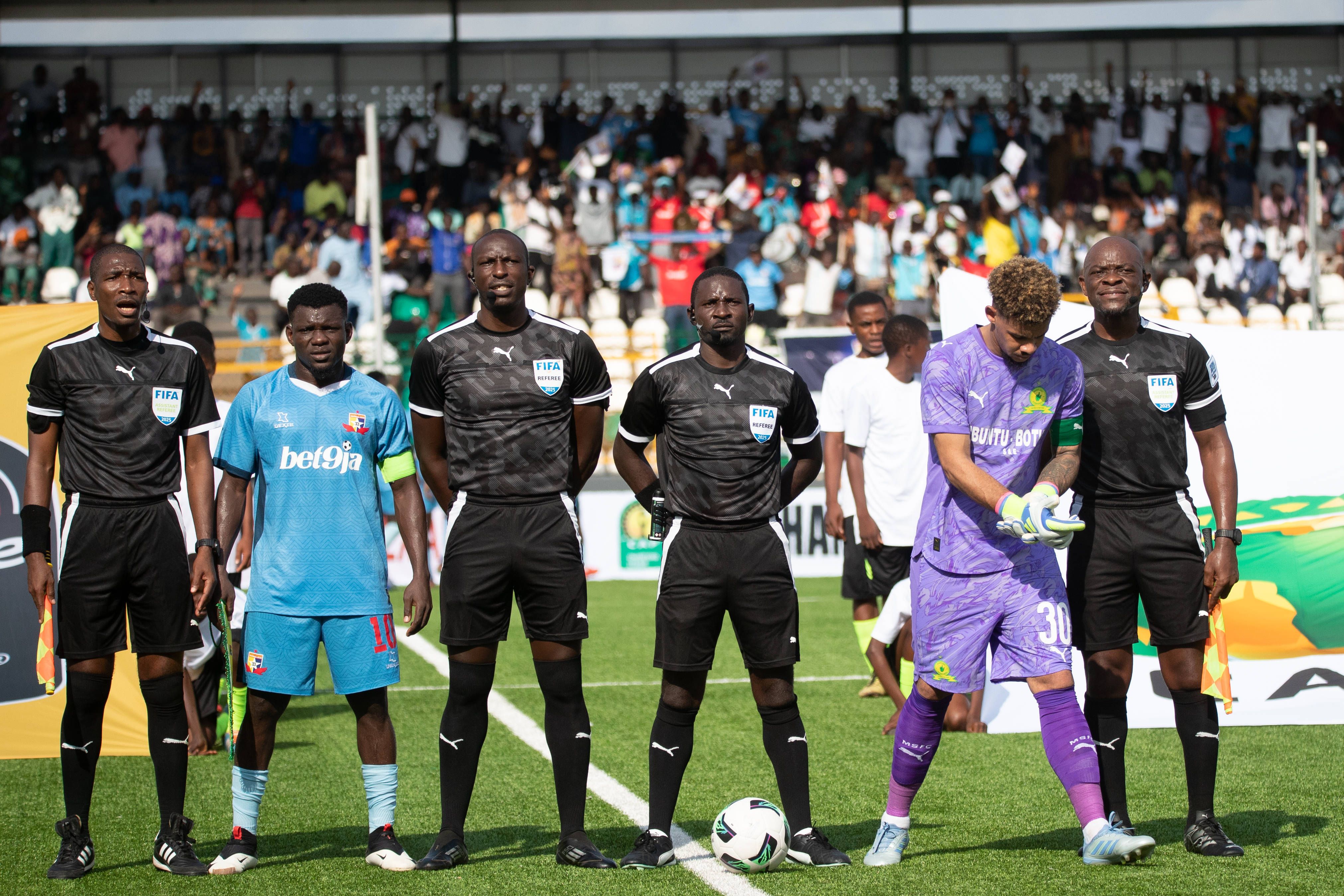
A major reason Nigerian teams struggle to make deep runs is the stark gap in high-level match experience. Regular exposure to elite tactical setups, high-intensity officiating, and top-tier opposition would accelerate the developmental curve of local players and coaches.
Federations like the Egyptian Football Association have been actively pushing for this expansion — a movement the Nigeria Football Federation (NFF) should also champion, as Nigeria stands to profit from it significantly.
