





The Confederation of African Football has adopted Kiswahili as its fifth official language, joining English, French, Arabic and Portuguese in the governing body’s official languages.
Our correspondent learned this on Monday from a statement published on the football body’s website. CAF described the adoption as a historic decision, saying it reflected the body’s commitment to embracing Africa’s linguistic and cultural diversity.
The decision was among the resolutions reached at CAF’s 48th Ordinary General Assembly held in Abuja, Nigeria, on Saturday, November 21, 2026.
It said, “Kiswahili joins French, English, Arabic and Portuguese as an official language recognised under the CAF Statutes.
“This decision reflects CAF’s commitment to embracing Africa’s linguistic and cultural diversity and strengthening the representation of African languages in football administration across the continent.”
The assembly brought together representatives of CAF’s 54 member associations, members of its Executive Committee, vice-presidents, sponsors, partners, international football stakeholders and African football legends.
The meeting also reaffirmed the unanimous support of the 54 member associations and CAF Executive Committee for FIFA President Gianni Infantino’s re-election.
Infantino, who has led FIFA since February 2016, is seeking another term at the 77th FIFA Congress, scheduled for March 18, 2027, in Rabat, Morocco.
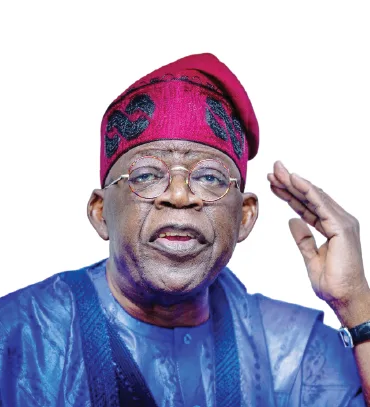
CAF President Patrice Motsepe also thanked President Bola Tinubu, the Nigerian government, the Nigeria Football Federation and the people of Nigeria for their hospitality and continued support for African football.
The 48th Ordinary General Assembly was held in Abuja as part of CAF’s engagements with its member associations and stakeholders across the continent.
Its adoption makes it the first indigenous African language to be recognised among the continental body’s official languages.
Kiswahili, a Bantu language that originated along the East African coast, is widely spoken across East, Central and parts of Southern Africa, particularly in Tanzania, Kenya, Uganda, the Democratic Republic of the Congo, Rwanda and Burundi. It serves as a common language among communities with different mother tongues and has more than 200 million speakers worldwide, according to UNESCO.
Kiswahili is one of several indigenous African languages with a significant cross-border presence, alongside Hausa and Fulfulde (Fula) in West and Central Africa, and Yoruba, which is spoken in Nigeria, Benin, and Togo.