


Benue State Commissioner for Health and Human Services, Dr Paul Ogwuche, on Tuesday said the number of suspected Lassa fever cases in the state has risen to 383, with 47 confirmed positive.
Dr Ogwuche further explained that the overall mortality count has risen to 14 since the outbreak began in the state.
The State Epidemiologist, Dr. Msuega Asema, had in February revealed that 10 people had died from Lassa fever in Benue, with 251 suspected cases and 45 confirmed positive.
Giving an update on Tuesday, the commissioner said there have been no deaths recorded in the past 11 days.
According to him, laboratory tests carried out over the last 11 days confirmed only six positive cases out of the 47 reported.
He added that 20 patients are currently in isolation centres, with 14 at the Benue State University Teaching Hospital and six at the Federal Medical Center, Makurdi.
“We have not recorded any mortality in the last 11 days. So far, the cumulative figure of suspected cases has moved from 251 to 383, while 47 cases are confirmed cumulatively,” he said.
Ogwuche attributed the positive development to massive sensitization and education campaigns, as well as support from partners including MSF, WHO, and the Nigeria Centre for Disease Control.
He said, “The rates have dropped drastically because we are actively combing for suspected cases. Those that are positive are few compared to before. We have engaged in regular meetings with WHO, NCDC, and the Emergency Operations Centre (EOC).
“Surveillance is ongoing in all 23 LGAs. We provide regular updates and carry out training of health workers on basic prevention and infection control in isolation centers, which explains why patients are not spreading the disease further.
“The pillars we put in place—sensitization and health education—have accounted for this development. People now know what to do and what they should avoid. The message has gone around all 23 LGAs.
“We are also tracking our cases early because surveillance officers are now in the field. Any reported positive case has all its contacts monitored; once symptoms appear, they are tested and taken to isolation centres.”
He added, “So the earlier a patient presents, the better the outcome. The low mortality shows that people are being tracked in their communities and brought in for early treatment.
“There is also significant intervention from our partners. NCDC, MSF, and WHO are all working together to curtail the disease. The pillars of the response, including infection prevention and control, are in place, and all our laboratories are functional and able to detect infection early and start treatment.
“The State government has supported the response with substantial funding, which has enabled us to work effectively. Everyone is on their toes, doing the needful. We have not recorded any outbreak in IDP camps. We are on the verge of distributing informational materials (flyers) to the 15 IDP camps in the state.”
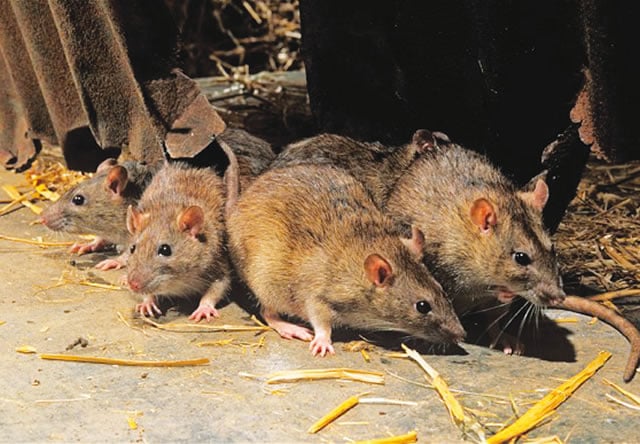
Lassa fever is an acute, often severe viral hemorrhagic illness endemic to West Africa, caused by the Lassa virus and transmitted primarily by the multimammate rat.
