





The recent FIFA clearance of Arthur Okonkwo will boost the present Super Eagles goalkeeping options and shape Nigeria’s goalkeeping future heading into 2030 FIFA World Cup cycle, Soccernet.ng reports.
With the Super Eagles preparing for a transitional phase, timing and age profile could hand the Wrexham shot-stopper a decisive edge over his rivals.
Super Eagles’ goalkeeping future
Nigeria’s current goalkeeping core of Stanley Nwabali, Maduka Okoye, and Francis Uzoho remains competitive, but age is gradually becoming a factor.

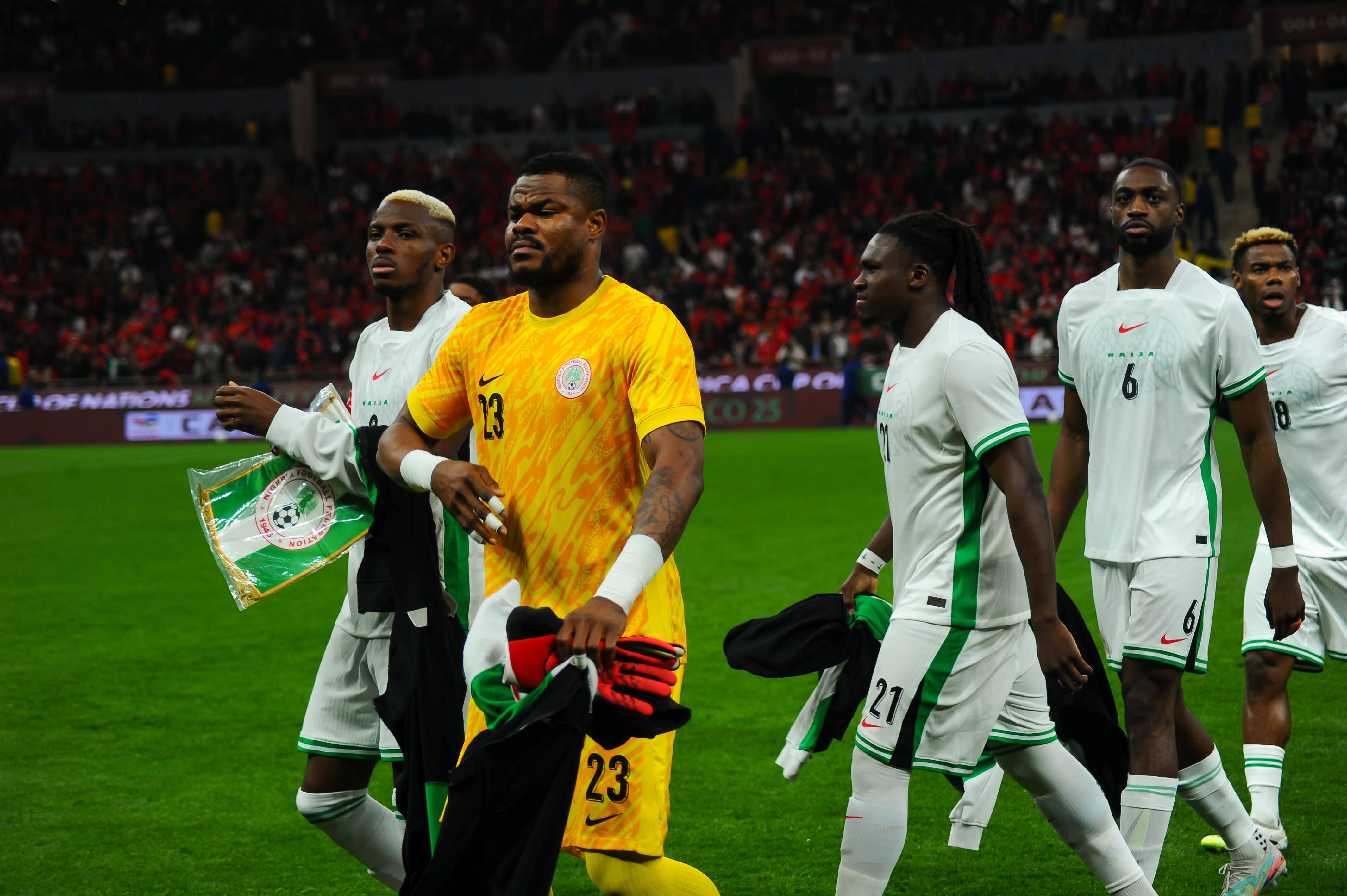
By June 2026, Nwabali will be 30, while Okoye turns 27 in August and Uzoho turns 28 in October. While those are still solid ages for goalkeepers, the situation looks different when projected towards the 2030 FIFA World Cup.

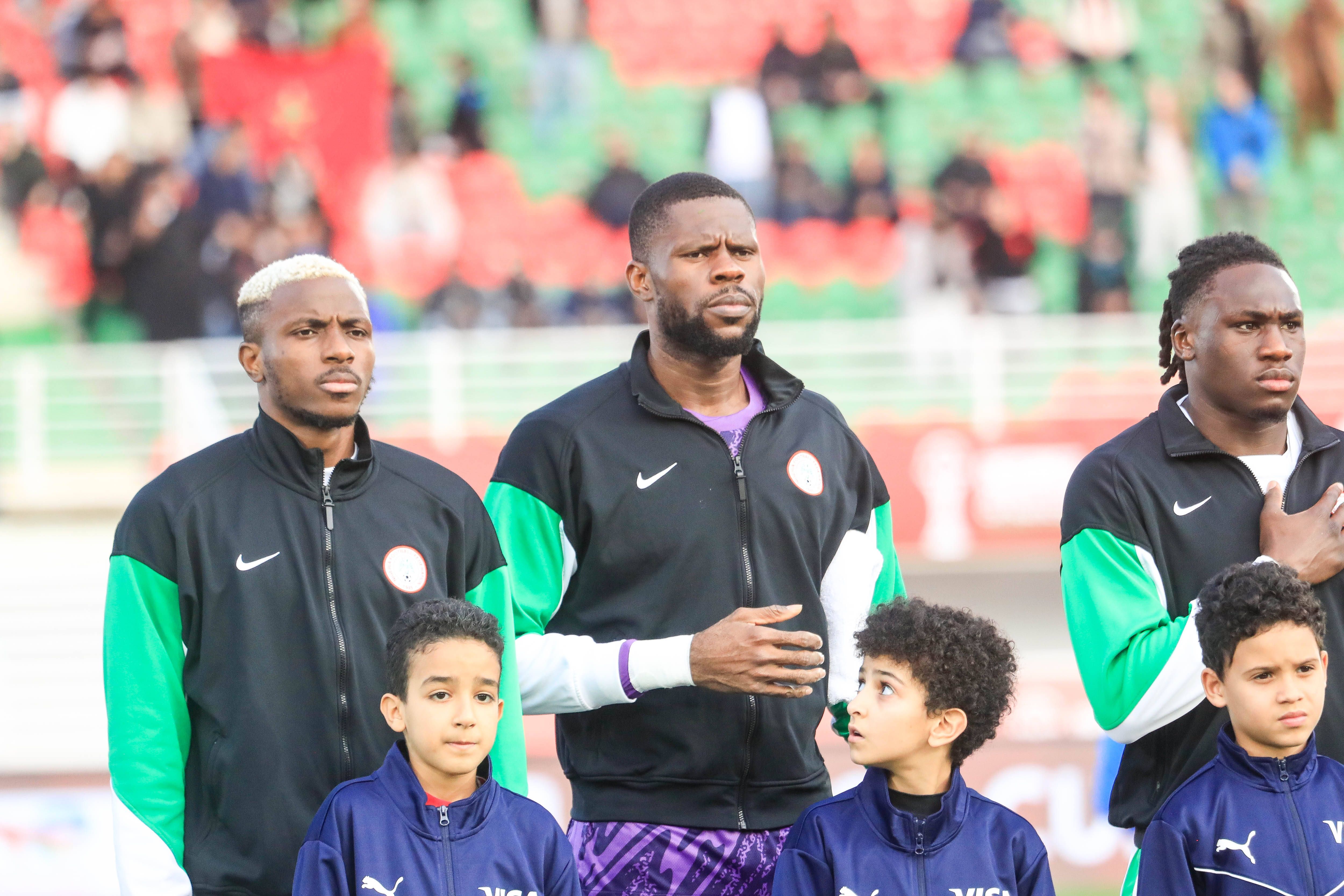
By then, Nwabali would be well into his 30s, Uzoho would have entered his 30s, and Okoye would be approaching that mark. In contrast, Arthur Okonkwo would be just 28, which is widely considered the peak age for a modern goalkeeper.
Arthur Okonkwo offers long-term option
Okonkwo offers a long-term option in goal, which is something Nigeria has often lacked recently.
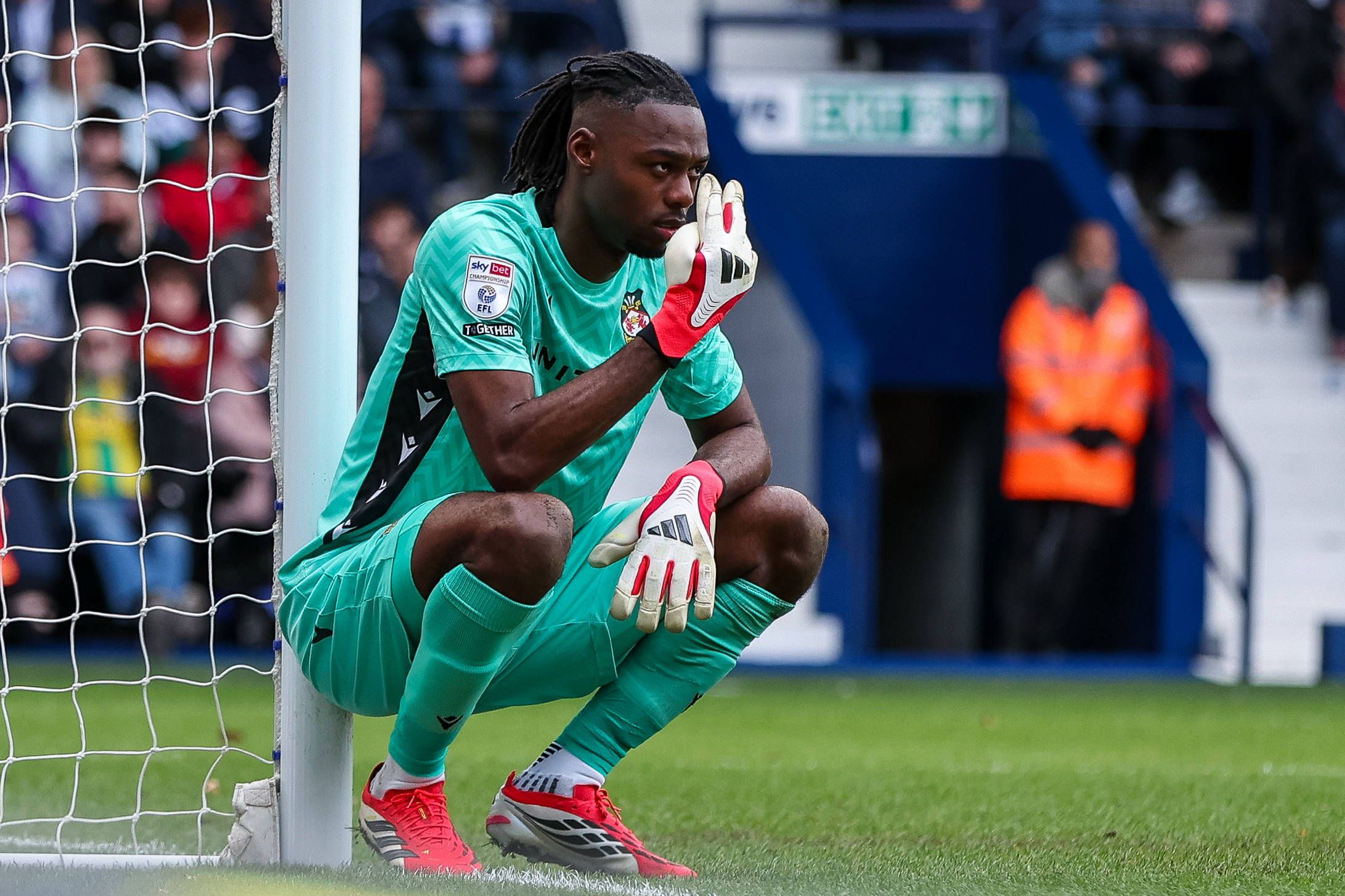
He came through the Arsenal system and now plays regularly for Wrexham AFC. At 22, he is still developing but already gaining experience in a demanding environment.
He is tall at 6ft 6in, strong in the air, composed under pressure, comfortable playing out from the back, and quick to react in close-range situations. These qualities make him a strong candidate for tournament football.

Chelle’s rebuild and continuity factor
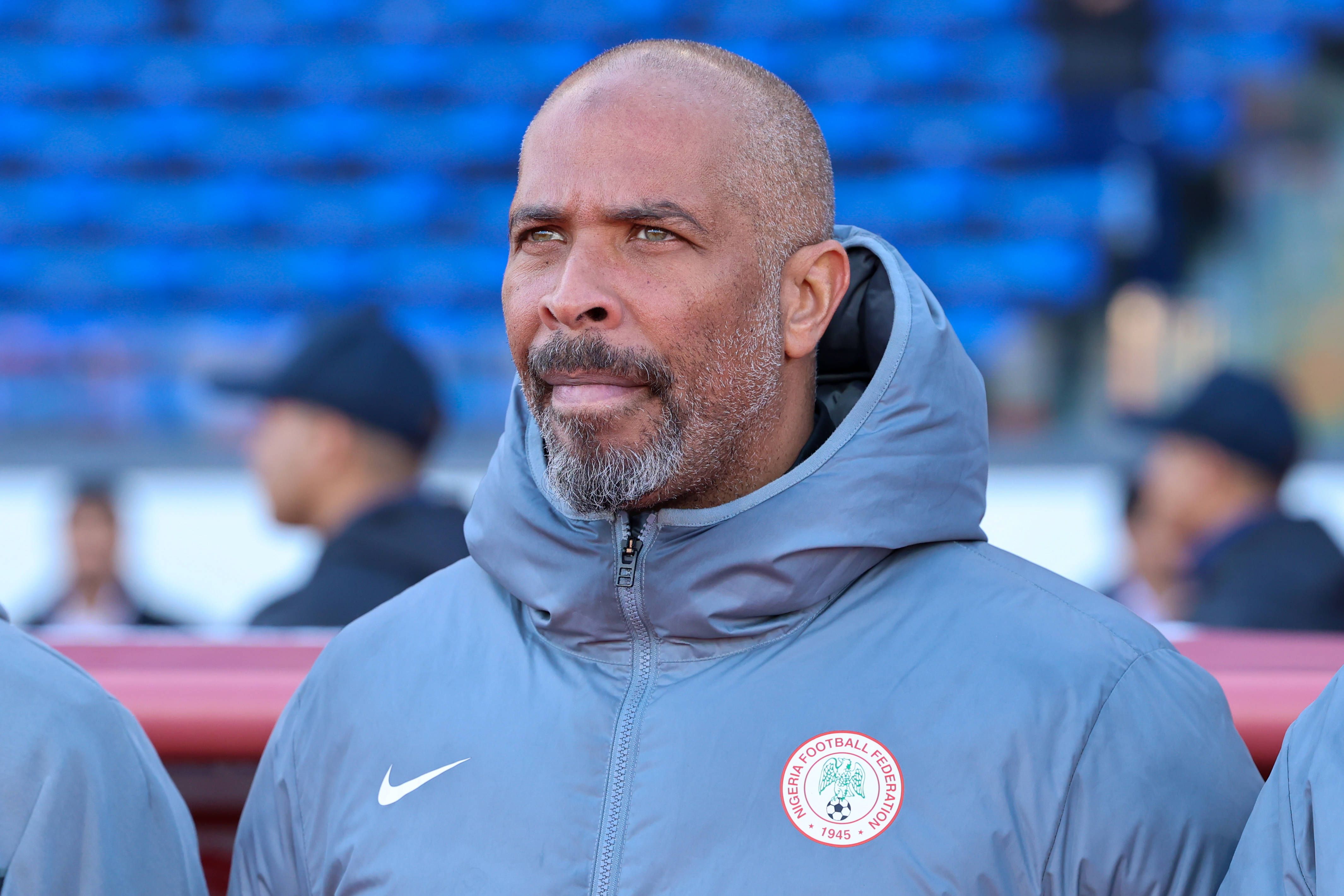
For Super Eagles head coach Eric Chelle, the goalkeeping department may soon require a forward-thinking approach rather than short-term fixes.
Major tournaments are rarely won with uncertainty in goal. Stability, familiarity with the defence, and continuity over multiple qualification cycles often define successful teams.
If Okonkwo integrates early—potentially starting from the upcoming friendlies against Portugal and Poland—he could gradually establish himself as the long-term No.1 before the next World Cup.

Timing could give Okonkwo the edge
The biggest factor working in Okonkwo’s favour is timing. He is arriving at a moment when the current goalkeepers are reaching their peak or just past it, and Nigeria may soon need a generational change in goalkeepers.
He has enough time to grow into the role before 2030. If he adapts quickly to international football, as Peterside Idah warned, Okonkwo could move from a “new option” to the first-choice goalkeeper faster than expected.


