


The Kwara State Government has warned people living with non-communicable diseases against combining prescribed medicines with herbal remedies or other medications without medical advice.
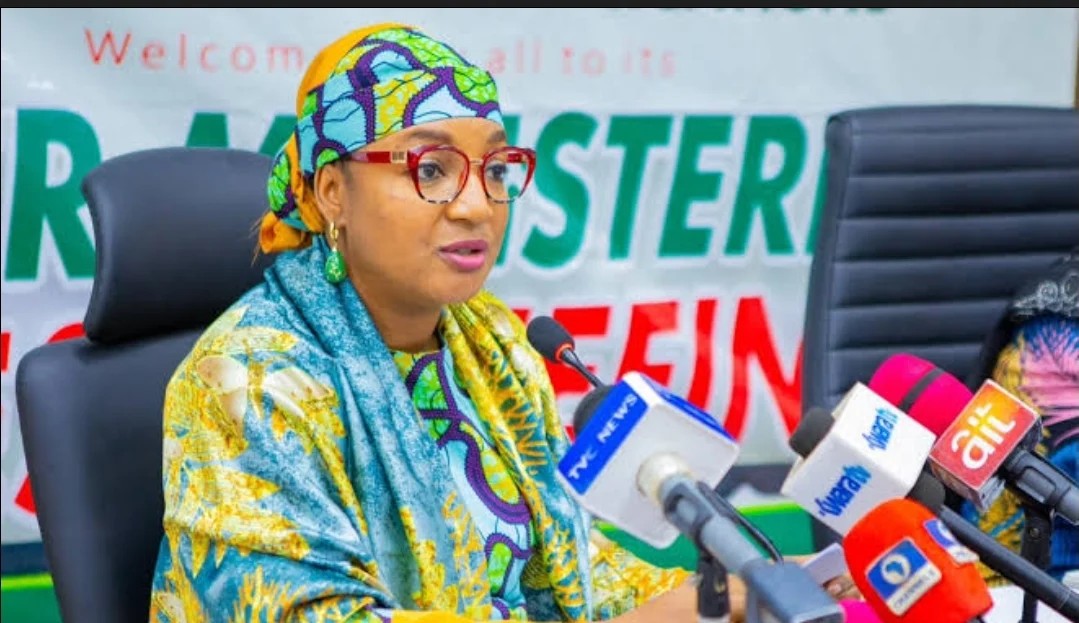
The Commissioner for Health, Amina El-Imam, gave the warning on Monday through the Deputy Director of Public Health, Kasali Ajao, during a sensitisation programme organised by the Kwara State University Teaching Hospital, Ilorin, to mark the 2026 World Patient Safety Day.
El-Imam said patient safety remained critical to preventing avoidable complications in the treatment and long-term management of non-communicable diseases.
“Patient safety is essential to preventing avoidable complications in the treatment and long-term management of non-communicable diseases,” the commissioner said.
She said the state government remained committed to providing quality, safe and patient-centred healthcare services, noting that it had continued to strengthen healthcare delivery through the engagement of qualified health professionals and other measures.
According to her, the sensitisation programme was aimed at equipping healthcare workers, patients and caregivers with practical measures to prevent avoidable complications and promote safer treatment practices for people living with NCDs.
The programme, which attracted participants from the 16 local government areas of the state, was held with the theme, “Safe Care for Non-Communicable Diseases,” and the slogan, “Safe Care for Life.”
Speaking on safe medication practices, the Assistant Chief Nursing Officer, Family Medicine Department, KWASUTH, Mgbemena Maria, urged patients to follow medical prescriptions and avoid taking additional medications without professional guidance.
Mgbemena warned that patients should not independently combine prescribed drugs with herbal preparations or other medications, stressing the need to seek medical advice before doing so.
“Patients should seek medical advice before combining prescribed medicines with herbal remedies and other medications,” she said.
She also cautioned against self-medication and urged patients to promptly report unusual symptoms to healthcare professionals rather than attempting to manage them on their own.
Mgbemena identified hypertension, diabetes, heart disease, stroke, cancer and chronic respiratory diseases among common NCDs, noting that their management often requires sustained treatment and regular monitoring.
She advised patients to attend regular medical check-ups and monitor their blood pressure and blood sugar levels as recommended by healthcare professionals.
The nurse further encouraged residents to complement medical treatment with healthy lifestyle choices, including proper nutrition and regular physical activity suitable for their health conditions.
She cautioned against tobacco smoking and the use of other harmful substances, while stressing the importance of adequate rest, stress management and family support in caring for people living with chronic diseases.
Earlier, the Assistant Chief Scientific Officer, Kwara State Ministry of Health, Olaseinde Olubukola, explained that improving patient safety required active participation from both healthcare professionals and those receiving care.
“Patient safety is a collective responsibility of healthcare providers, patients and caregivers, particularly in the management of chronic illnesses that often require long-term care,” Olubukola said.
She stressed the need for continued public awareness of non-communicable diseases and safer healthcare practices, particularly among patients who require prolonged treatment and monitoring.
The programme formed part of activities marking World Patient Safety Day, with emphasis on promoting safer care for people living with chronic diseases.
