

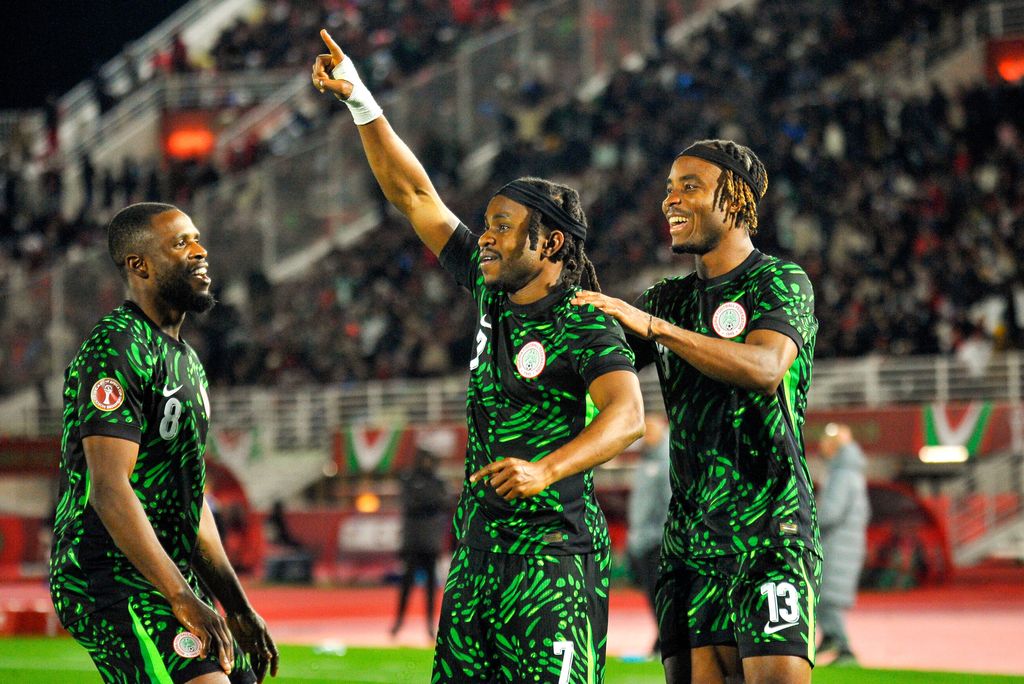
The 2026 FIFA World Cup has gotten off to a flying start, producing several key moments that’ll be talked about for generations to come, but the absence of the Super Eagles leaves a bitter taste for the Nigerian football fan, Soccernet.ng reports
The three-time African Champions are missing out on a spectacle that has seen Cape Verde, Morocco, and DR Congo make history.
The story dates back to 2022, after the Super Eagles lost to Ghana in the play-offs, allowing the Black Stars to seal a place in Qatar at Nigeria’s expense. With the next edition set for a 16-team addition, one would think it’d be a walk in the Park for Nigeria.
It was the opposite. In the first four qualifying games under Jose Peseiro and Finidi George, the Super Eagles secured three out of a possible twelve points, a dreadful start for the supposed giants of Africa.

Get Our Sports News First – Join Our WhatsApp Channel Now!
Victor Osimhen, who would later finish as the top scorer of Nigeria’s qualifying group, coincidentally, didn’t play those four games.
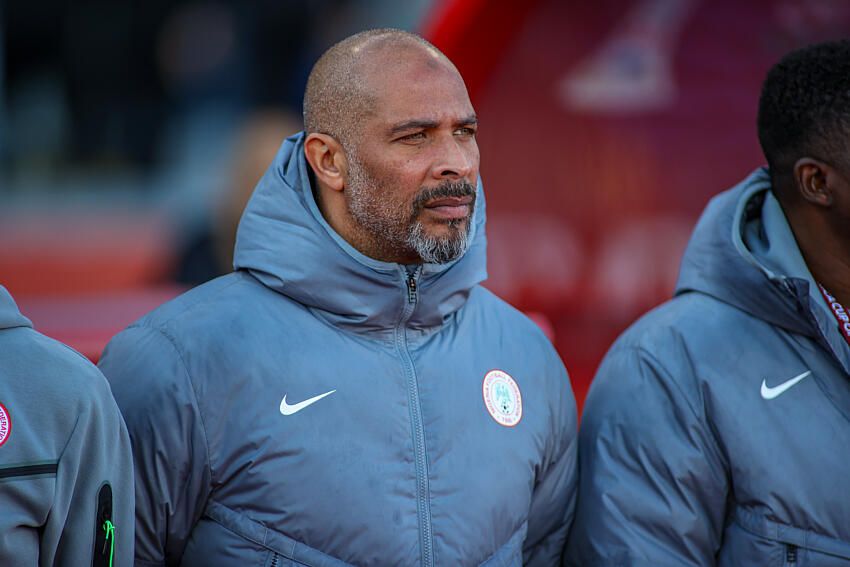
Eric Chelle was brought in with an aim – take Nigeria to the World Cup, and while the Franco-Malian tactician did a brilliant job of winning four games and drawing two to help seal a play-off spot, it was a little too late.
South Africa topped the group with 18 points from ten games, which was the lowest tally of any team that topped a group on the African Continent. The Super Eagles lost the play-offs to DR Congo, but Chelle’s situation produces two hypothetical scenarios for Nigeria’s World Cup fate.
Had Nigeria won all six games under the former RC Lens defender, they’d have been drawn into Group A of the 2026 World Cup alongside hosts Mexico, Czechia and South Korea.
With the sheer squad depth sitting at home right now, where would the Super Eagles of Nigeria have finished if they had qualified for the 2026 FIFA World Cup?#SuperEagles #SportyTV #FIFAWorldCup pic.twitter.com/2NksbjCpAR
— SportyTV (@SportyTV) June 22, 2026
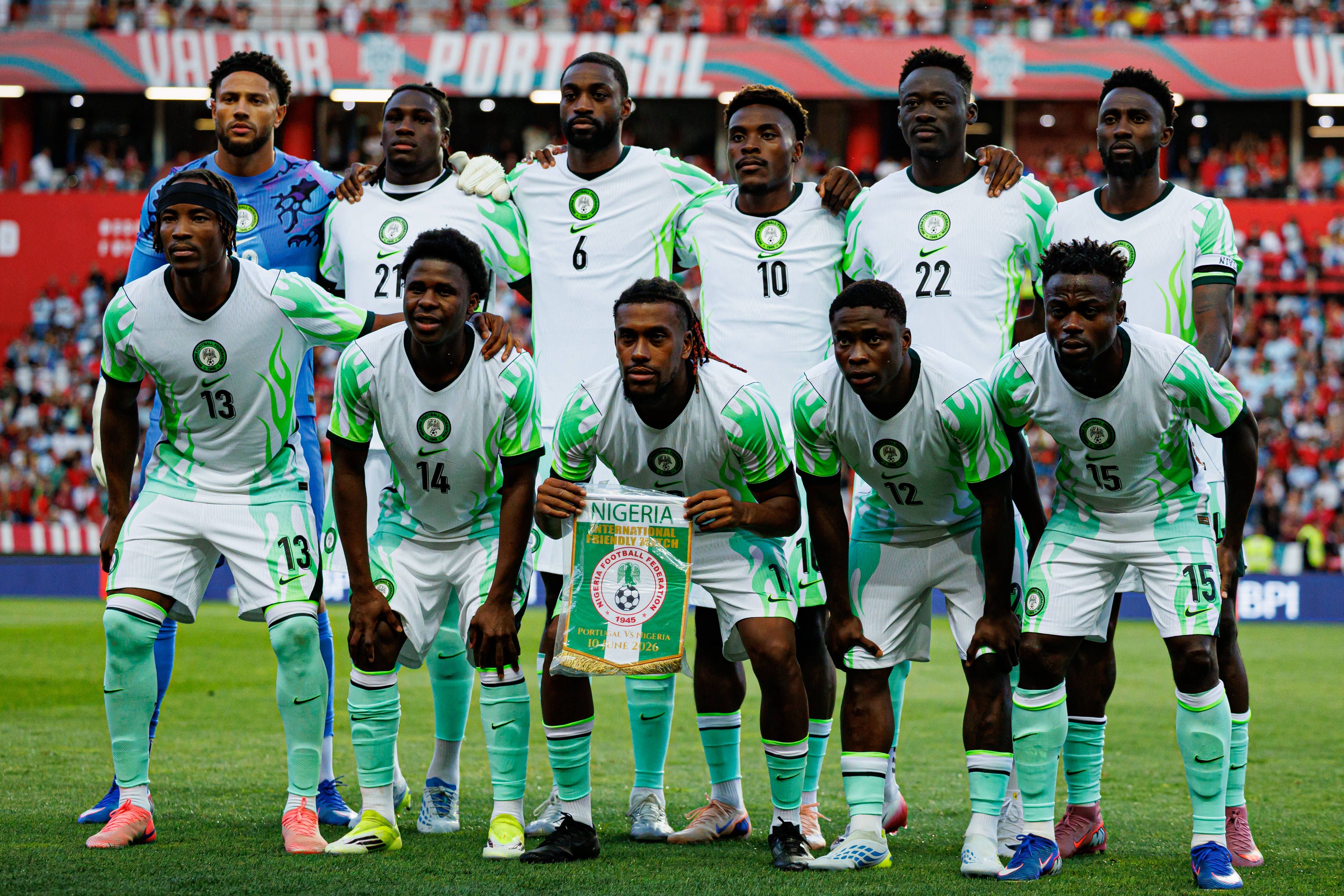
If they’d defeated DR Congo via the play-off route, they’d have been placed in Group K alongside Cristiano Ronaldo’s Portugal, Colombia and Uzbekistan.
With the talent available at Eric Chelle’s disposal, Soccernet.ng breaks down how far the Super Eagles would have gone at the 2026 FIFA World Cup if they had qualified.

The ability of Nigeria’s current squad
In goal is Maduka Okoye, who kept ten clean sheets in the Serie for Udinese, and has been garnering interest from clubs in Europe’s top five leagues. Besides the Germany-born Nigerian goalkeeper, Wrexham’s Arthur Okonkwo and Stanley Nwabali are options that hold the ability to deputise without a drop in quality when needed.
The defensive unit is the most underappreciated part of this squad’s potential. Emmanuel Fernandez, who has also been linked to Borussia Dortmund and Bayer Leverkusen after his breakout season at Rangers, has shown he can compete when called upon.

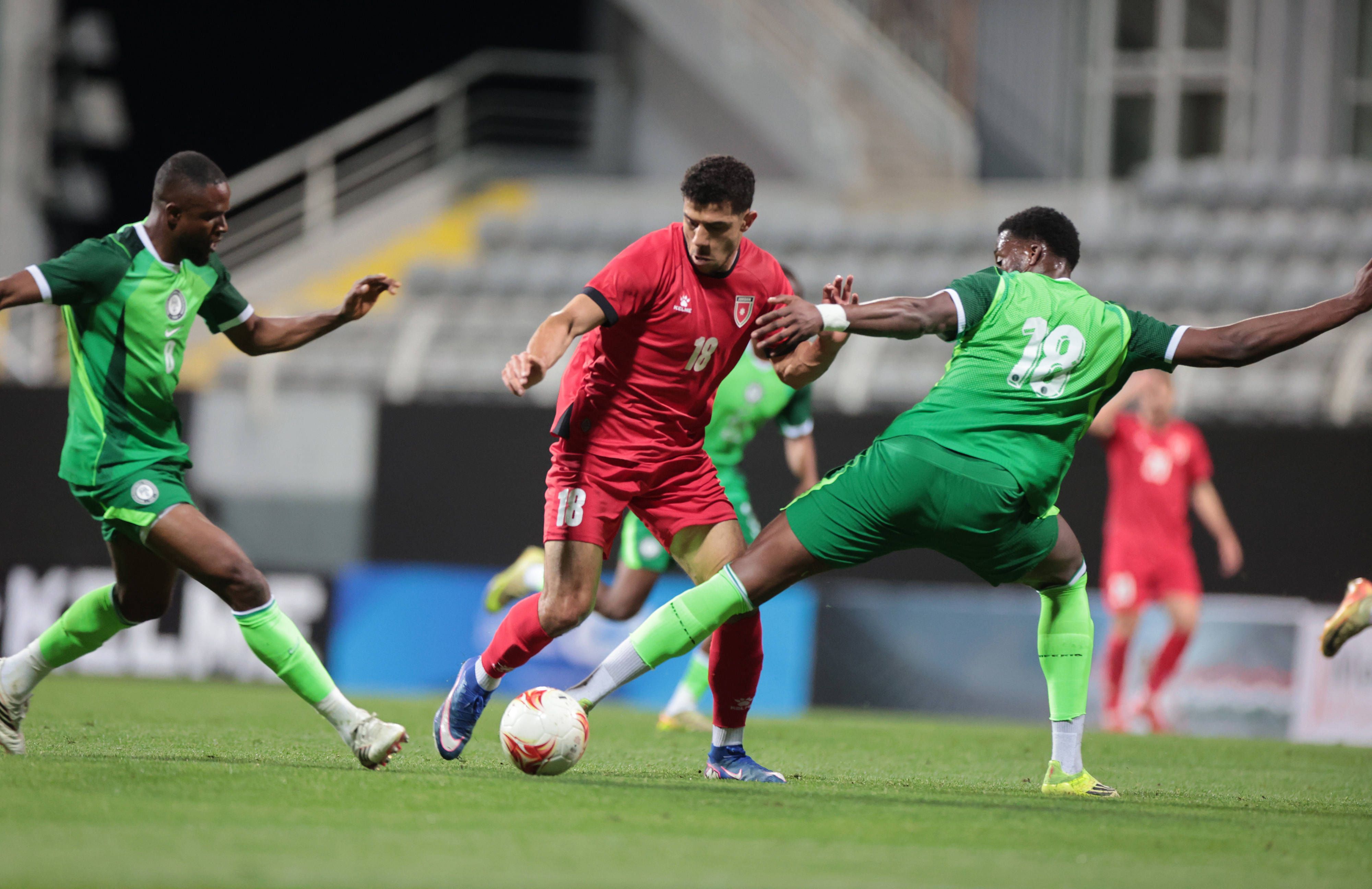
That, combined with Calvin Bassey’s leadership and Semi Ajayi’s ability in the air, would’ve been impenetrable for several teams, considering the duo kept four clean sheets in the knockout stages of the AFCON 2025. Igoh Ogbu and Chibuike Nwaiwu are also solid options off the bench.
Alex Iwobi grew into his passing peak in Morocco, with many nicknaming the Fulham midfielder ‘Iwobinho’. That form, alongside the energy of Frank Onyeka and Wilfred Ndidi in midfield, would offer a perfect blend. While none of them are world-class players in isolation, they collectively provide the kind of balance that tournament football needs.
Then there is the attack, arguably the most devastating the country can boast of in the 21st century. Victor Osimhen came off the back of another trophy with Galatasaray, while Ademola Lookman ended his season after putting goals past Barcelona and Real Madrid, showing he can do his job against the very best defenders.
The rise of Femi Azeez and Philip Otele adds another dynamic off the bench for Chelle, and the team could rely on the experience of Moses Simon and Paul Onuachu. Then, there’s Akor Adams who’s on the back of ten league goals for Sevilla.

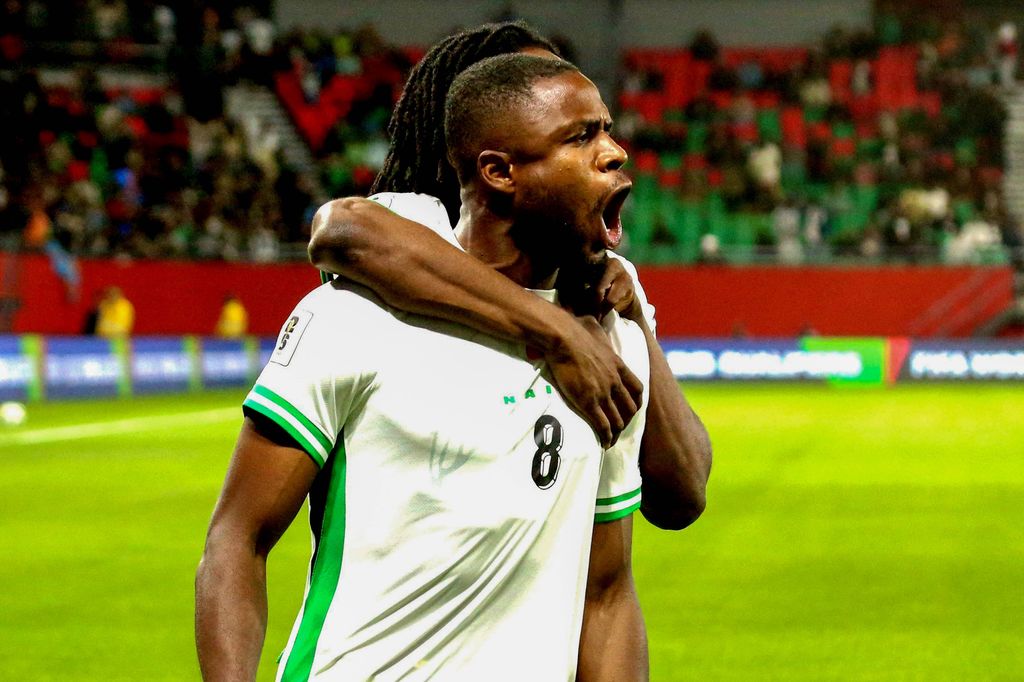
Could the Super Eagles have reached the knockouts?
In an expanded format where 32 of 48 teams advance, a squad of this quality would need to beat one of their opponents and draw their other to be guaranteed progression to the Round of 32.
However, evidence from this tournament shows that Nigeria could’ve done much more. DR Congo held Portugal to a draw, and Morocco did the same against Brazil before they beat Scotland.
Nigeria’s squad, on paper, is stronger than DR Congo’s, stronger than Algeria’s, and at least is on par with Morocco’s. If the Leopards can hold Portugal, a Nigerian team led by Osimhen and Lookman could have beaten almost any opponent placed in front of them at this stage of the competition.

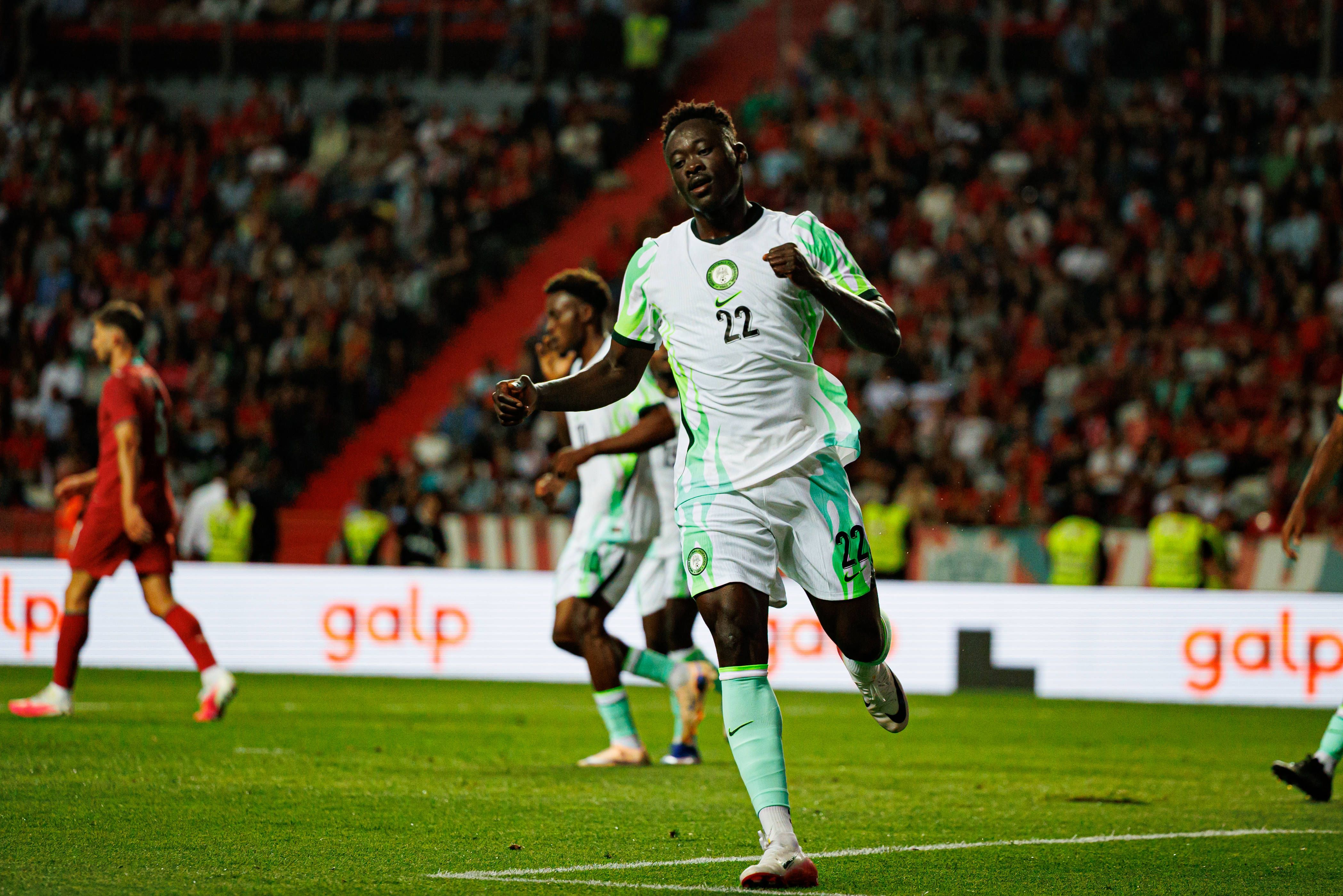
The knockouts, on the balance of how the team have grown under Eric Chelle would have been minimum expectation, and with the test against Poland and Portugal earlier this month, many have opined that the team could have made their maiden quarter-final appearance, but those are only ifs and maybes at the moment.
Nigeria’s qualification failure was not a reflection of this squad’s quality. It was, as Gernot Rohr put it, a failure of collective organisation during the campaign itself.
“I also think about how Nigeria hasn’t participated since 2018,” the former Super Eagles coach said in an interview with Footy Africa.
“I believe this is because when we faced them in the group stage, even though they had great individual players with immense quality, they simply didn’t play like a team early on and dropped too many points.
“It is truly a pity that major players like Osimhen, Chukwueze and Lookman are not here to be seen.
“For me, it’s a pity. I was in New York. I could see some games. I’m heading back home now and will be following other games from my home.” the 72-year-old concluded.

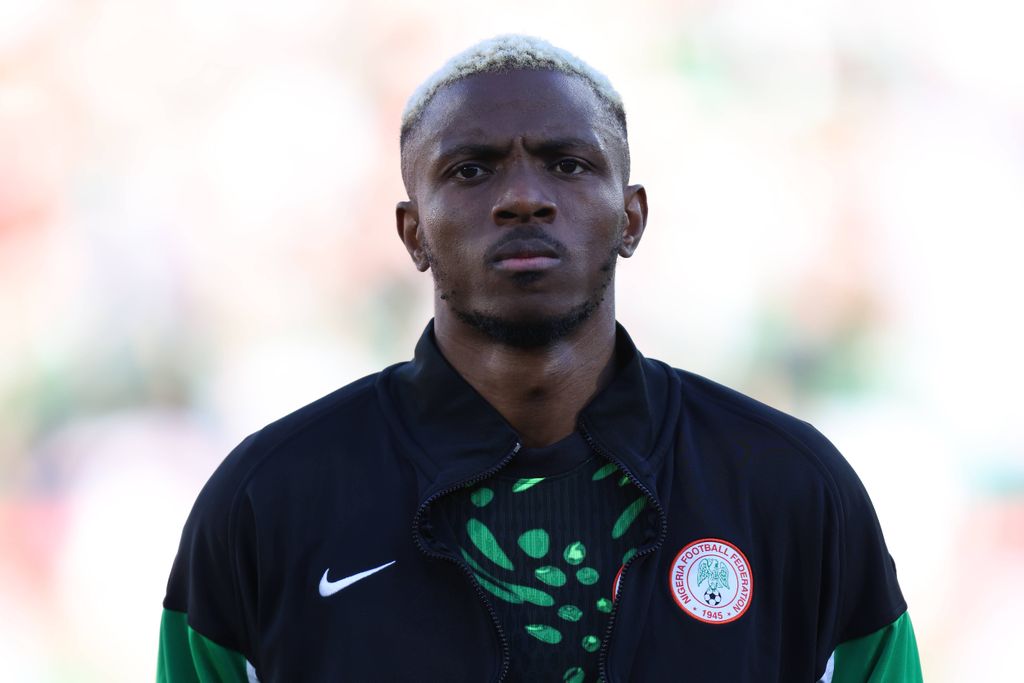
On the pitch, with this group of players fully focused and fully committed, the round of 32 and beyond was absolutely within reach.
Nigeria’s greatest consolation is that most of these players will still be available for the 2030 World Cup qualifiers, giving them a chance to rewite their mistakes