

Former Super Eagles captain Austin Okocha believes the biggest difference between Nigerian and South African footballers playing in Europe comes down to ambition and the willingness to step outside comfort zones, Soccernet.ng reports.
Nigeria has produced many footballers who have succeeded in some of the biggest leagues in the world. From England and Spain to Germany and Italy, Nigerian players are regularly seen performing at the highest level.
One of the most famous examples today is Victor Osimhen. The striker has played for clubs such as Lille, Napoli and Galatasaray and is widely regarded as one of the most dangerous forwards in world football.
Another Nigerian star making waves is Ademola Lookman, who is currently impressing at Atletico Madrid after previously shining for Atalanta, where he helped the Italian side win the Europa League in 2024.
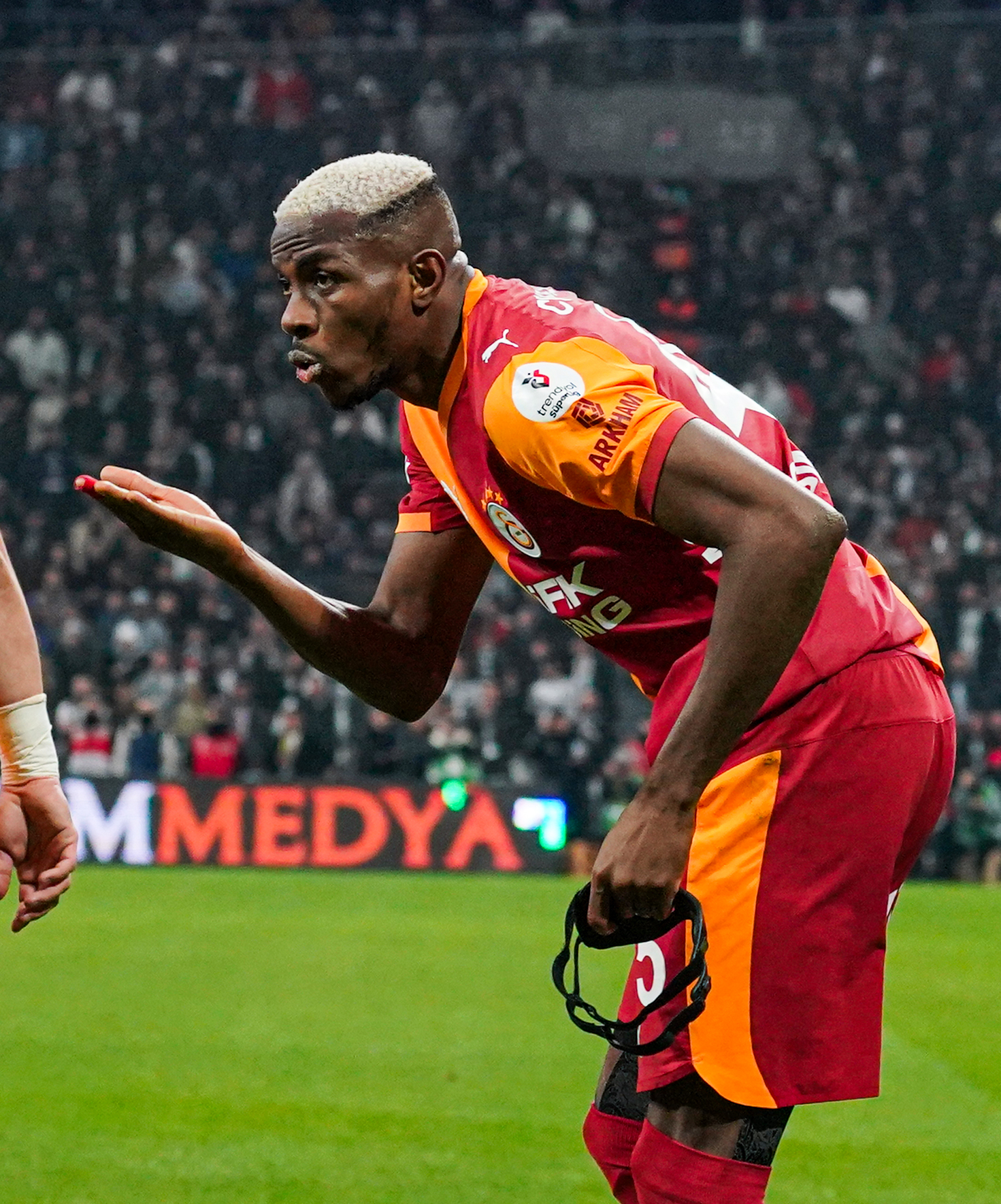
Nigerian players are also performing across Europe at clubs such as Fulham in the Premier League, Lazio in Serie A, Bayer Leverkusen in the Bundesliga, Sevilla in La Liga and Paris FC in France.
But South African players are less visible in Europe’s top five leagues. Okocha believes this is partly because many of them choose to stay in the comfort of their domestic football environment.
Speaking on Thabisa Mosia’s Game On programme on Radio 2000 as per Africa Soccer, the former Super Eagles captain explained the mentality required to succeed abroad.
“First of all, you must have the desire to become the best version of yourself,” Okocha said.
“For you to make a name for yourself globally, you must get out of your comfort zone, and this is the problem.”

The Nigerian legend, who played across Germany, Turkey, France and England during his career, also spoke about the challenges of adapting to life in a new country.
“It is my opinion that South African players are too comfortable at home,” the former PSG playmaker noted. “That drive is not really there.
“But we Nigerians, we’re very ambitious people. We like to challenge ourselves. Of course, when you come to a country like Germany, you have to try to socialise and understand the culture of the people.
“You have to be willing to learn the language and just learn in general. It’s a lot easier if you have people who mentor you, but it’s also about how you present yourself. If you show that you’re willing to learn, then your stay will be a lot easier. My advice is just to be open and make sure you have that hunger and desire to become the best version of yourself.”

Okocha praises PSL’s role in South Africa’s World Cup success
While Nigeria continues to produce many players in Europe, the country’s focus on exporting talent has also had consequences for the domestic league.
The Nigeria Professional Football League has struggled to keep its top players, and that gap was clear during the 2025 Africa Cup of Nations in Morocco. Not a single player from the local league was included in Nigeria’s squad, which finished third in the tournament.
South Africa, on the other hand, relies heavily on players from its domestic league, the Premier Soccer League.
Although Bafana Bafana did not go far at the 2025 AFCON, they exited in the early knockout rounds, their domestic system has still delivered strong results in other competitions.

Most notably, South Africa secured qualification for the 2026 FIFA World Cup after finishing ahead of Nigeria in the same qualifying group.
Okocha believes that achievement shows the value of strong investment in the local league.
“It’s happy days for South African football, and it’s well deserved because they worked for it,” Okocha said. “They invested in the local league, and they are reaping the rewards of it because most of these players are playing in the local league.”
He also pointed out that the strength of the PSL is something that deserves recognition, even if he still believes more South African players should test themselves in Europe.
“That’s the impressive part of it because it shows how strong the South African league is, even though I think that you need to have more players playing in Europe, but of course, you have to appreciate the work and the way things have worked out for South African football,” Okocha concluded.
Nigeria, winners of three Africa Cup of Nations titles, last appeared at the World Cup in 2018.
