

Janet Ogundepo
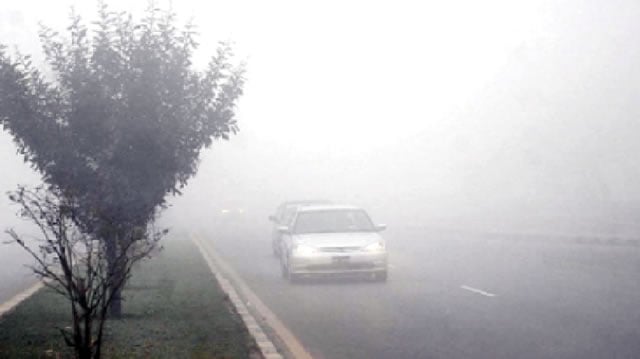
Harmattan is the cold, dry and dusty wind season that occurs between November and February, mostly in West African countries.
While the atmosphere is usually hazy or foggy with sometimes low visibility, the dry weather can also affect both health and the environment.
Research and health experts have established that the season comes with the spread of airborne diseases, triggering conditions, including dehydration, dry lips and skin, sore throat, catarrh, frequent sneezing, and watery and reddish eyes.
According to Mayo Clinic, dehydration occurs when the body loses more fluid than it takes in, leaving it without enough water and other fluids to carry out its normal functions.
It adds that both children and adults can get dehydrated due to several causes, including not drinking enough water during hot and dry weather.
Health and environment experts have urged citizens, especially those in the northern parts of the country where harmattan is usually harsh, to drink more water and take precautionary measures to ensure their safety and well-being during the season.
A family physician at the Modibbo Adama University Teaching Hospital, Maiduguri, Borno State, Dr Mohammed Yusuf, says dehydration, nasal discomfort, chapped lips and dry skin are common due to the dusty and cold atmosphere that comes with harmattan.
He advised increasing water intake to prevent overheating and dehydration.
Aside from the dry wind, he noted that the weather may also be hot, which can further cause dehydration.
For pregnant women, dehydration is dangerous as it could cause miscarriage or death.
To prevent dehydration, a Consultant Obstetric Gynaecologist, Dr Joseph Akinde, advised keeping a bottle of water close by.
In an earlier interview, Akinde said, “As much as possible, avoid exposing yourself to too much heat. If you find yourself in a hot environment, ensure you have water on you so that when you feel thirsty, you can rehydrate adequately.”
The doctors emphasised the importance of paying attention to the body’s demand for water, noting that the dry season tends to dry up everything it comes in contact with.
To mitigate the effects of dry weather, Yusuf advised taking vitamin C, stating that it has been found to improve skin health and hydration.
According to the health blog Healthline, studies have shown that vitamin C enhances skin barrier function and helps reduce water loss, helping the skin stay moisturised and preventing dryness. It also helps brighten uneven skin tones.
The family physician further recommended steam inhalation during the period. Steam inhalation involves breathing in the steam of heated water to soothe and open the nasal passages.
He noted that breathing in warm, moist air during dry, dusty or cold weather helps calm nasal discomfort.
Yusuf added, “Also, if you can, apply Robb or mentholatum on your nostrils to arrest the side effects of dust, which is irritation. You can also encourage children (not babies) to do this procedure.”
Copyright PUNCH
All rights reserved. This material, and other digital content on this website, may not be reproduced, published, broadcast, rewritten or redistributed in whole or in part without prior express written permission from PUNCH.
