

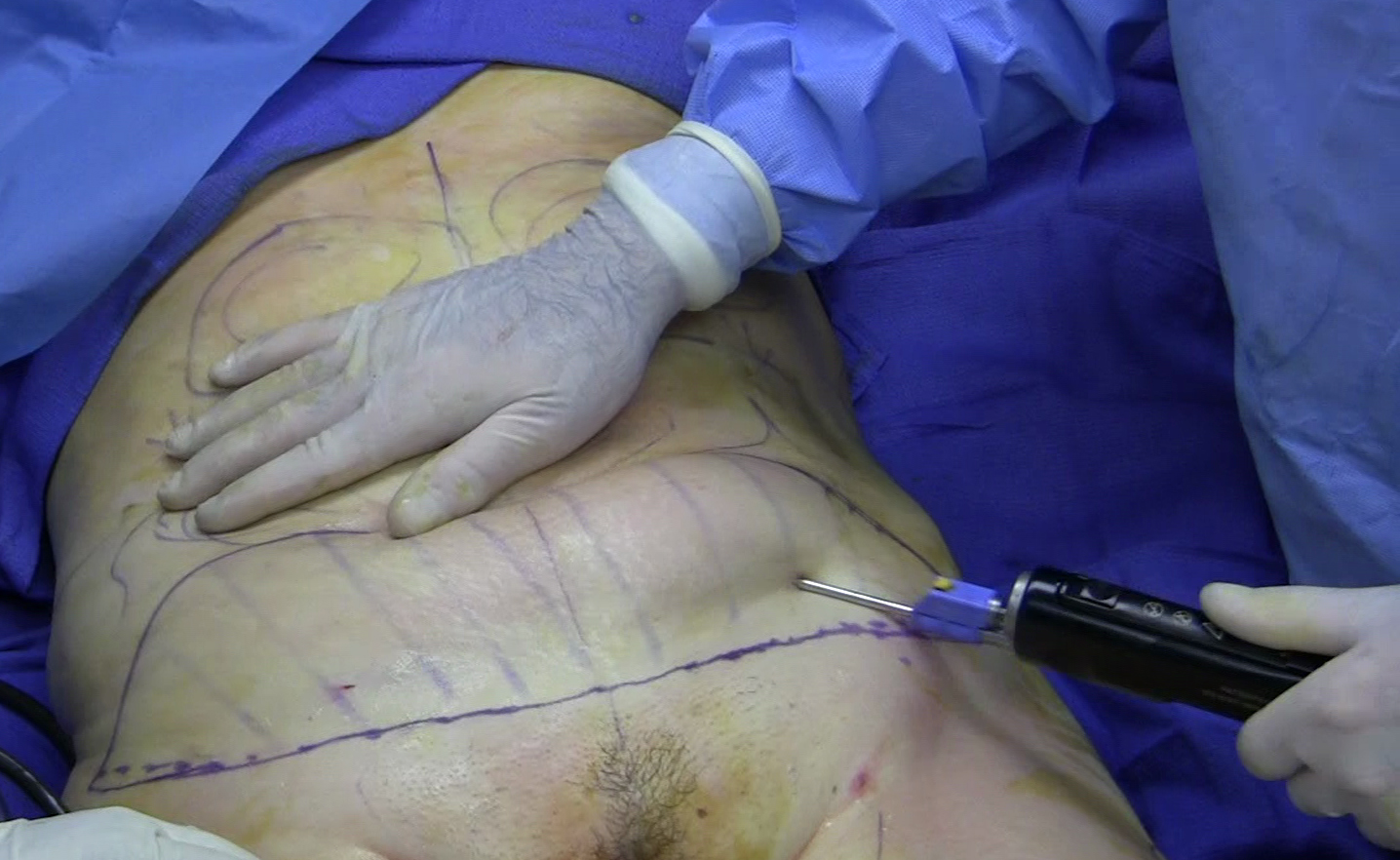
Women who wish to undergo abdominal fat removal procedures through liposuction have been advised to complete childbearing before undergoing the procedure, seasoned surgeons have declared.
The senior health professionals noted that although the procedure does not affect a woman’s ability to conceive and carry a pregnancy to term, sufficient time should be allowed before subsequent pregnancies.
The medics also advised women to disclose the procedure details to their healthcare providers during subsequent medical consultations.
They further stated that the procedure should not be done during pregnancy and breastfeeding, noting that anaesthetic medications and other drugs used could pass to the growing foetuses or baby.
In exclusive interviews with PUNCH Healthwise, the surgeons cautioned that not every woman with a protruding abdomen needs liposuction, noting that loose skin, separation of the abdominal muscles and other medical conditions could also contribute to the appearance of a large tummy, and urged women to undergo proper assessment by qualified plastic surgeons before deciding on the surgery.
They explained that while liposuction involves removing localised fat deposits from specific areas of the body, a tummy tuck is a more extensive abdominal surgery.
The surgeons further noted that the procedure was not a weight loss intervention, and that both liposuction and tummy tuck carried surgical risks ranging from bruising, fluid collection and temporary numbness to life-threatening complications including fat embolism, organ perforation and anaesthetic reactions.
A Professor of Surgery at Bayelsa Medical University, Yenagoa, Paingha Alagoa, explained that liposuction was not primarily a weight loss procedure but rather a means of altering body proportions by removing pockets of fat in localised areas that diet and exercise could not easily address.

He said the procedure could be used to improve body proportions by removing localised fat deposits around areas such as the abdomen, back and waist.
Alagoa, whose research covers breast carcinoma and abdominal surgical conditions, said the procedure was not always necessary for women seeking a flatter tummy, as other conditions could mimic the appearance of a fat tummy.
He said, “Not all large or fat tummies will require liposuction. We must first be certain as to the cause of the fat tummy since conditions like loose abdominal skin, separation of the abdominal muscles or other medical conditions can result in the appearance of a fat tummy. If it is due to excess fat, then liposuction would be of benefit.”
The surgeon also cautioned against viewing liposuction as a routine solution to weight concerns, saying women should first establish whether the procedure was appropriate for their individual needs.
Alagoa said the procedure was very safe when performed by a qualified plastic surgeon but stated that complications such as pain, bruising, swelling and temporary numbness could occur.
He said, “Fat and blood embolism can be life-threatening, as fat can embolise into the lungs and brain. There could be injury to internal abdominal organs such as the intestines, which can perforate and cause sepsis and peritonitis. We must also remember the possible complications of anaesthesia. Infection is also a possible complication. Receiving care from a qualified plastic surgeon is key.”
A Professor of Surgery and plastic and reconstructive surgeon at Nnamdi Azikiwe University, Awka, and Nnamdi Azikiwe University Teaching Hospital, Nnewi, Anambra State, Prof Titus Chukwuanukwu, advised women who wanted to undergo liposuction for abdominal contouring to consider completing childbearing first because a subsequent pregnancy could affect the outcome.

He said pregnancy could alter the body’s shape and affect the results women hoped to achieve through the procedure.
“Liposuction is advisable for those who are done with childbearing because pregnancy can still affect the outcome. My advice is that any lady who wants to achieve that can quickly face the business of childbearing completely and then face this,” he said.
A Professor of Obstetrics and Gynaecology at the University of Uyo, Akwa Ibom State, Prof. Aniekan Abasiattai, said a woman could safely conceive and deliver after liposuction alone, provided she waited for the recommended recovery period.

He said, “After your body heals properly, within the recommended duration, you can go through pregnancy, delivery, and breastfeeding. But the procedure itself is not advised during pregnancy because it is major surgery. A lot of medications are used that could pass to the baby and could cause problems.”
He gave the recommended waiting periods as three to six months before attempting to conceive for a planned vaginal birth, and six to nine months for those expecting a caesarean section.
Abasiattai drew a clear distinction between liposuction and tummy tuck, noting that the latter was a more extensive procedure involving excision of fatty tissue and abdominal muscle work, and that subsequent pregnancies could undo its effects by depositing new fat and stretching the abdominal wall again.
He said, “If you do tummy tuck, which is not liposuction, or if you do liposuction and tummy tuck, it is advisable that you complete your family size so that you do not need to deal with additional fat that may be added during pregnancy, because fat is going to be deposited.”
Abasiattai also advised women to complete breastfeeding before undergoing either procedure, noting that medications used during surgery could pass into breast milk, adding that, although rarely, procedures involving the breast could damage some breast tissue and reduce milk production.
He added that the procedure carried no risk to foetal development or space for the baby to grow, as liposuction operated on fat beneath the skin and had no connection to the uterus inside the abdominal cavity.
The gynaecologist said, “There is absolutely no relationship. It does not have anything to do with the internal. The uterus is right inside the abdominal cavity, absolutely no relationship.”
On disclosure, Abasiattai said women who had previously undergone liposuction were obligated to inform their healthcare providers in full.
The Chief Consultant Obstetrician and Gynaecologist at the University of Uyo Teaching Hospital said, “Once you have had a medical procedure, when the interview you have with your health provider takes place, you must include details of all procedures you have done, complications that have arisen from those procedures. For liposuction, you are supposed to add which areas the procedure was performed on and whether there were any complications, because this will guide management processes by your attending health provider.”
Copyright PUNCH
All rights reserved. This material, and other digital content on this website, may not be reproduced, published, broadcast, rewritten, or redistributed in whole or in part without prior express written permission from PUNCH.
